The Journal
Notes from the Afrobeats era and the systems behind the culture.
An archive of reflections, interviews, and field notes from the work of building culture at scale. Less hype, more infrastructure. Less headlines, more legacy.
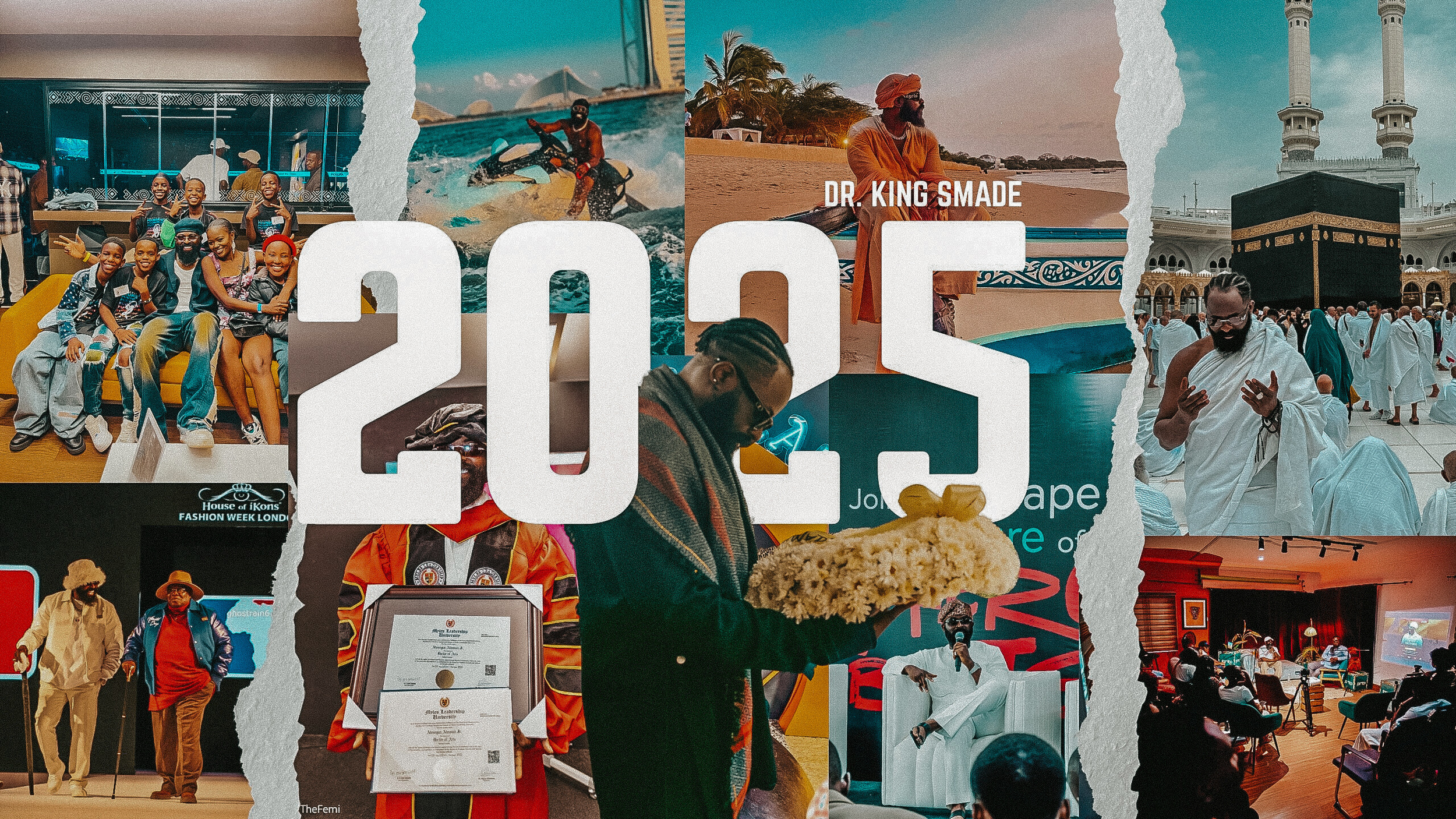
Carrying the Work Forward: A 2025 Reflection on Afrobeats, Africa, and Leadership
2025 asked for steadiness more than speed.
It was a year shaped by quiet pressure, growing responsibility, and moments of reflection that didn’t announce themselves loudly. From beginning the year in Rwanda, standing at the Genocide Memorial, to watching Afrobeats take up space on the world’s biggest stages, this reflection traces a season of transition, faith, and carrying the work forward with care. It’s about leadership formed through culture, dreams realised and released, and learning to move into what comes next without losing what came before.
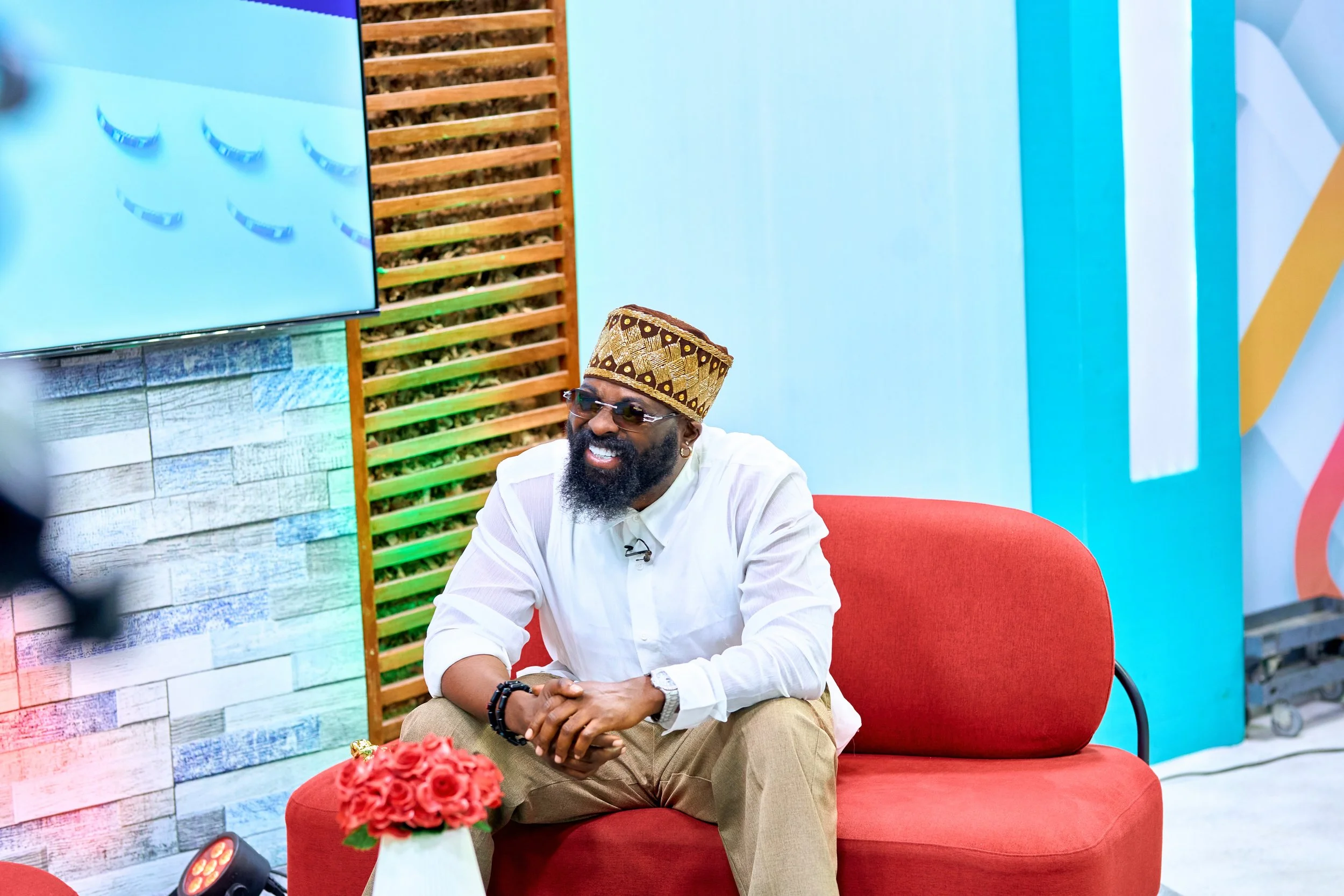
December in Ghana: Culture, Scale, and the Work of Legacy
Yesterday, I joined Channel One TV in Accra for a conversation about Afro Nation, December in Ghana, and the work that follows moments of cultural growth.
When culture grows faster than structure, the task is not to slow culture down. The task is to build fast enough to hold it.
Legacy is not presence. It is what remains because something once passed through.
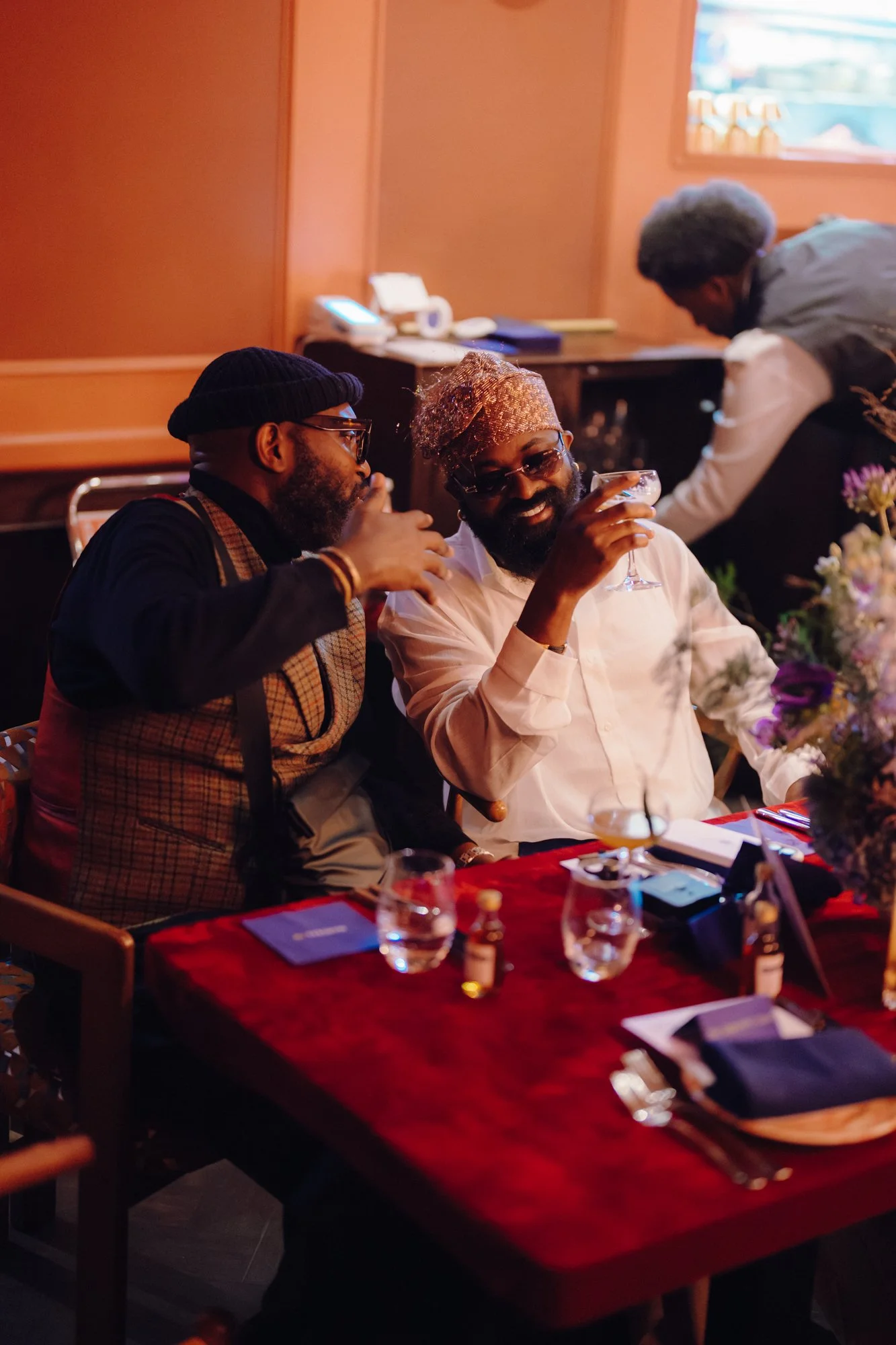
Martell’s Afrobeats End-of-Year Dinner and the People Who Built the Culture
A reflection on Martell’s Afrobeats end-of-year dinner, the people who have quietly built the culture, and the long work behind a global movement.
The first time I saw D'Banj perform live, he opened with a sentence that stayed with me.
“You don’t know me… but by the end, you gon know me.”
At the time, I was a broke student with a BlackBerry, walking into barbershops and African stores collecting numbers and selling tickets. I wasn’t chasing recognition. I was learning the game.
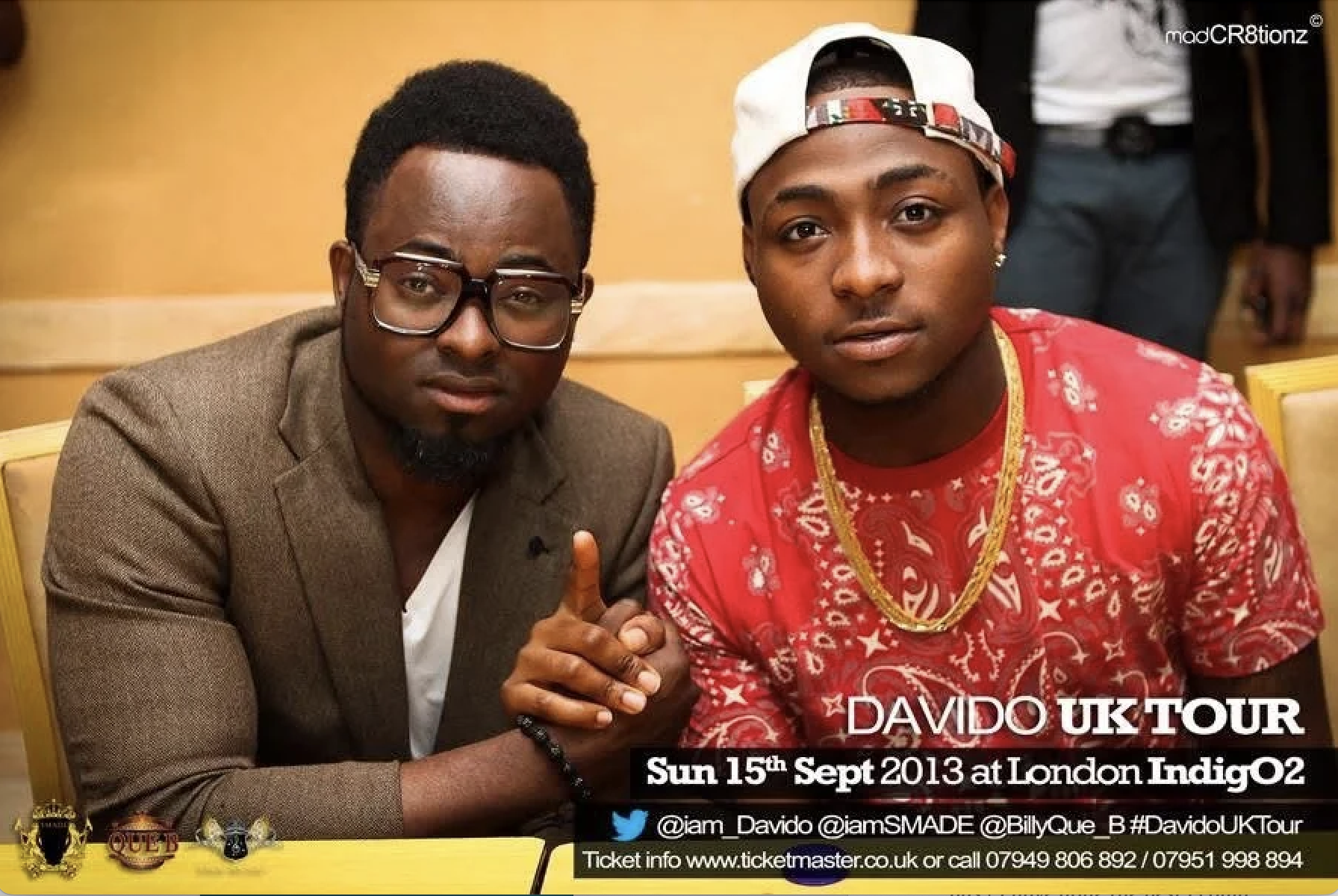
In 2009, I co-promoted the D’Banj Koko Concert at the Indigo2 in London. That night showed me Afrobeats could become more than events. It could become history.
In the years that followed, the culture began to grow through festivals, tours and club shows. Artists like Dr Sid and Ice Prince helped carry the sound through diaspora communities before the arenas and global recognition.
Looking back now, one question remains.
What happens to the legends?