December in Ghana: Culture, Scale, and the Work of Legacy
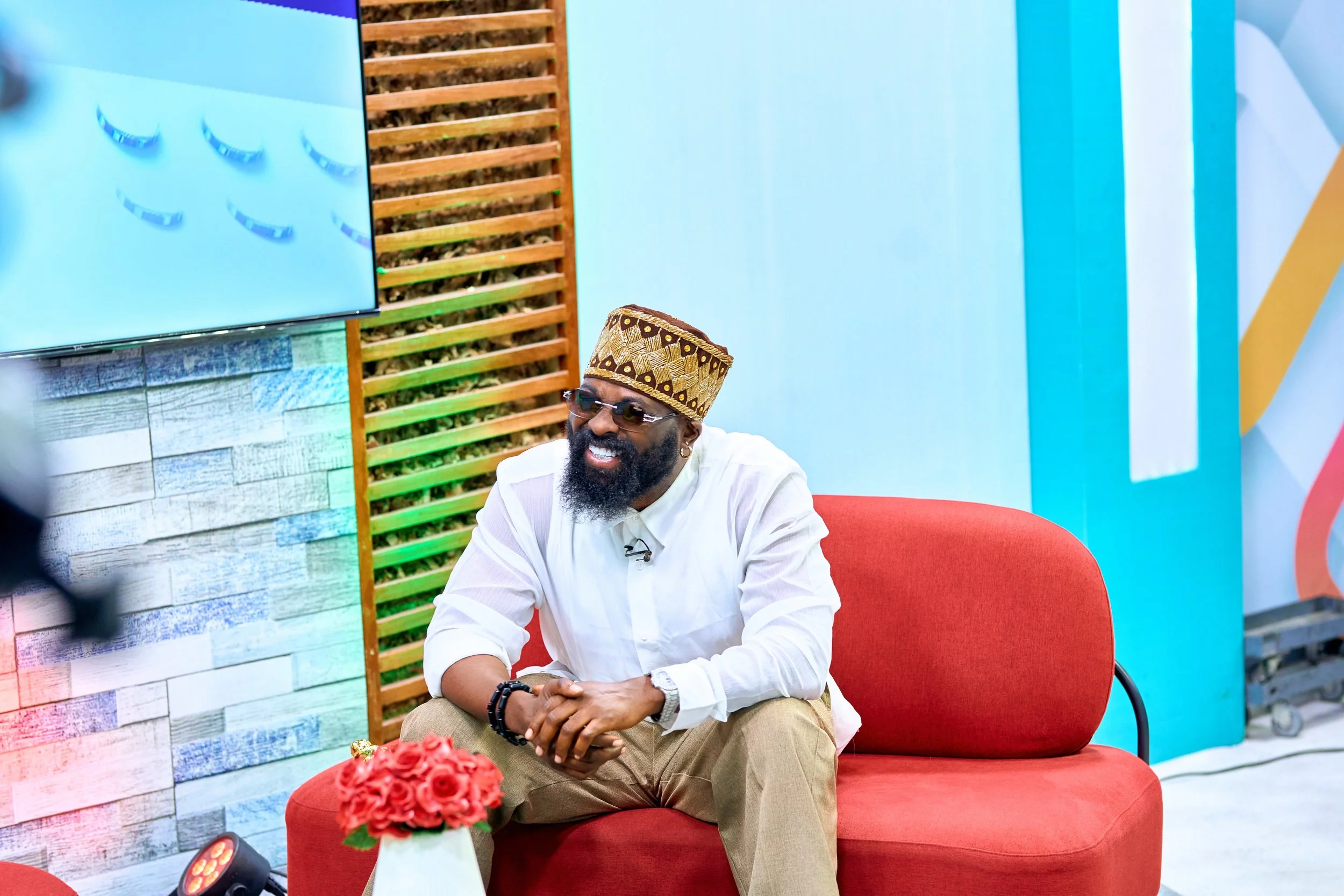
Yesterday, I joined Channel One TV in Accra for a conversation about Afro Nation, December in Ghana, and the work that follows moments of cultural growth.
December in Ghana always carries weight. The energy is immediate. Movement everywhere. Music spilling into the streets. Accra feels familiar to me. I make sure I am here every year, sometimes more than once. This visit was no different. Shows back to back. Conversations everywhere. Very little sleep. The culture in full motion.
But after more than twenty years of doing this work, momentum alone stops being the point. You begin to feel what scale demands in return.
At a certain stage, growth stops feeling impressive and starts feeling consequential. You become aware of how many lives sit inside a decision. When it became clear that people were at risk, there was nothing to debate. Life cannot be replaced. And if your work is centred on people, protecting them becomes the most basic form of respect.
That principle stays with you. Celebration without care is not progress. It is postponement.
Ghana in December is special. I said that openly. But December also acts as a mirror. It shows us what is working, and it shows us where strain sits. Crowd movement. Coordination. Education across the ecosystem. These are not accusations. They are signals.
When culture grows faster than structure, the task is not to slow culture down. The task is to build fast enough to hold it.
Legacy is not presence. It is impact.
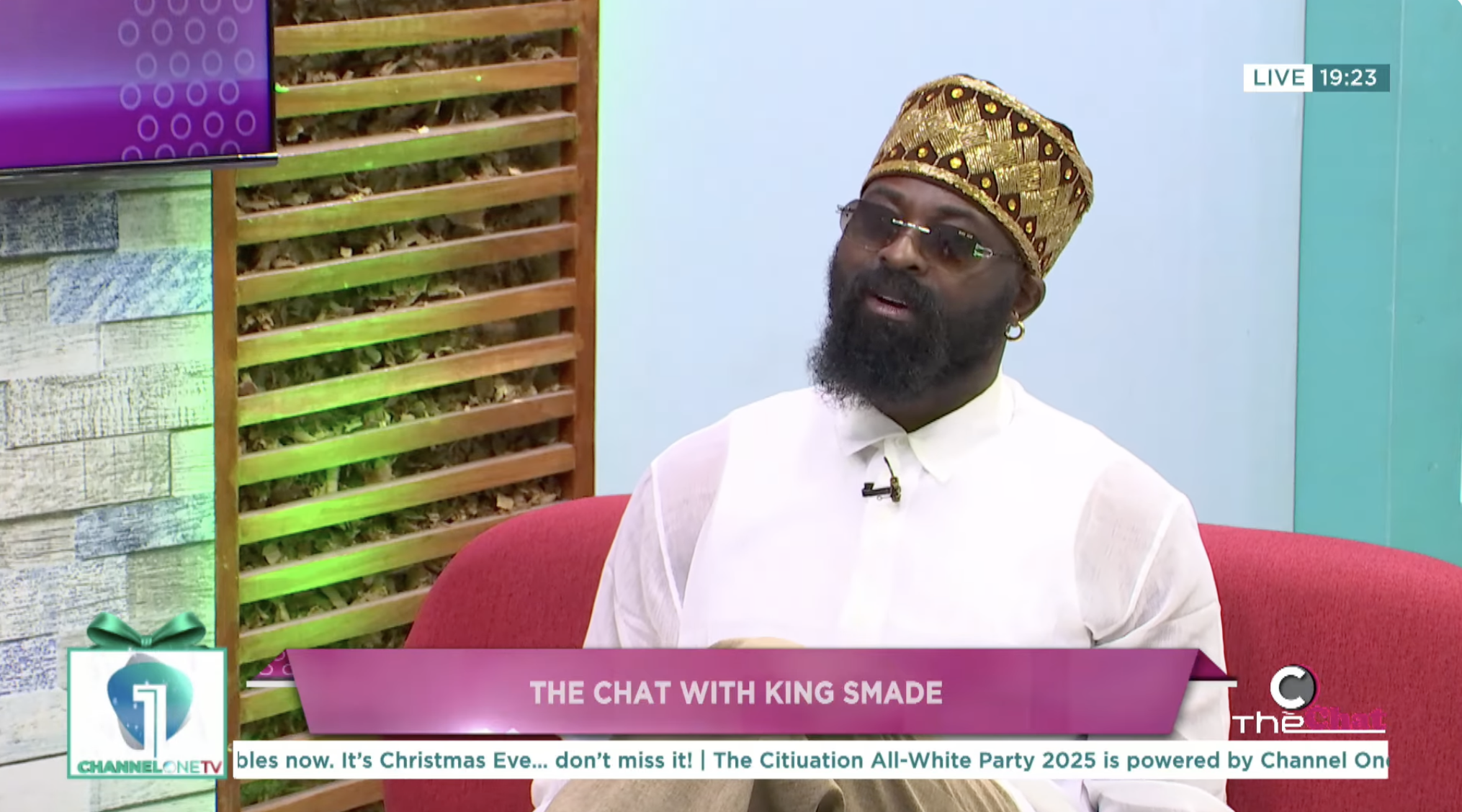
I went on Channel One TV knowing that Afro Nation would be the reference point, but not the centre of what I wanted to leave behind.
There is a habit we have of narrating cultural work through arrival and disappearance. Who came. Who left. Who returned. I have never found that framing useful, because it reduces legacy to visibility and ignores consequence.
What matters to me is not whether something is physically present in a place at all times. What matters is what remains because it once passed through.
When we first came to Ghana, the ecosystem was narrower. Fewer large-scale festivals. Fewer independent formats. Less confidence in how far the culture could travel and still belong to itself. Now the landscape feels fuller. There are more entry points. More organisers. More ambition. More belief.
That is what legacy looks like to me.
Not ownership.
Not permanence.
Not control.
Legacy is capacity multiplied.
It is an ecosystem that can continue without you at the centre of it. It is other people building, experimenting, and taking risks because something earlier made that feel possible. It is confidence circulating freely, no longer tied to one name or one moment.
I am not attached to a single creation. I am attached to what a creation unlocks.
If something has been built well, it should not require defence. It should not need to be protected through explanation or nostalgia. It should be able to stand on its own, evolve beyond its original form, and invite others to build alongside it in ways you did not anticipate.
That is how I measure success.
Not by how often a name is mentioned.
Not by how loudly a moment is remembered.
But by how much room exists for others to grow.
Afro Nation was never meant to be a ceiling. It was meant to be a foundation. And foundations are not sentimental. They are functional. You only notice them when they are missing.
What interests me now is not repeating what has already been proven, but understanding what still needs to be built. Where the gaps are. Where collaboration can replace duplication. Where systems can be strengthened so that the culture does not collapse under its own momentum.
Because legacy is quiet work.
It does not announce itself.
It does not cling.
It does not argue for relevance.
It shows up later, in forms you did not script, carried by people you may never meet, moving further than you ever could alone.
That is the work I am committed to.
And that is the only presence that matters to me.
The work started quietly
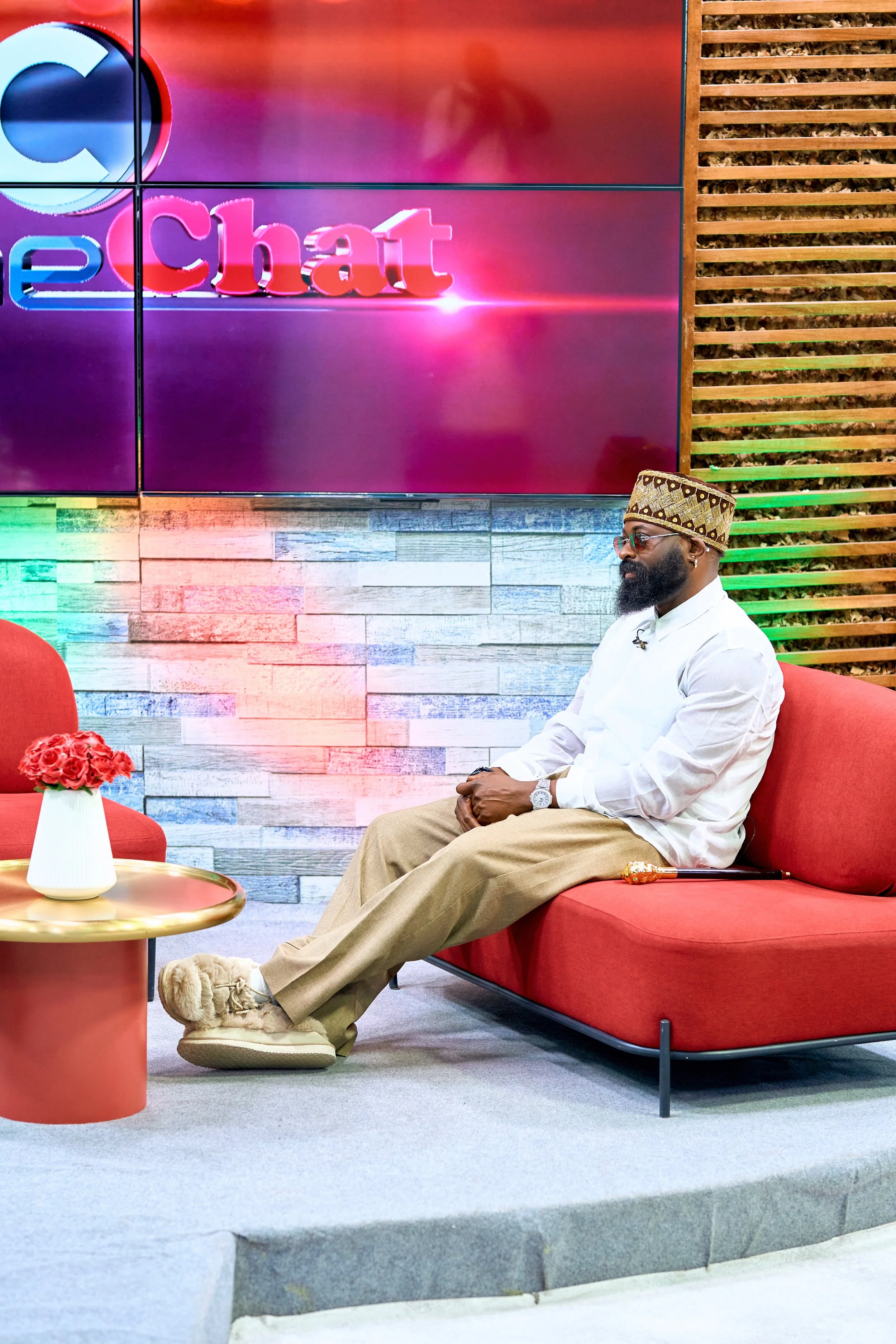
Toward the end of the interview, I spoke about the beginning.
House parties. Small rooms. Bringing people together because there was nowhere else for us to celebrate ourselves. Encouraging people before they knew what they were capable of. Building community before there was language for it.
That instinct never left me.
Even now, with global scale, the work is the same. Create space. Connect people. Invest early. Think long.
When I left the studio, it did not feel like a conclusion. It felt like something had been placed gently on the record.
The world is present. The demand is real.
What remains is the quieter work.
Building beyond moments.
Strengthening systems.
Leaving behind something stable enough to be inherited.
That is the work I remain committed to.
Dr. King SMADE
Journal Entry
Accra, December
