Reflections on Leadership, Influence and Diaspora at MIPAD’s New Year’s Lunch

I arrived at The Africa Centre for MIPAD’s New Year’s Lunch with a sense of quiet appreciation. Over time, I have come to value gatherings like this not for titles or recognition, but for their restraint. They create room for people who are often working alongside one another to sit together, slow the pace, and speak plainly.
My connection to Most Influential People of African Descent (MIPAD) began when I was recognised as part of the Class of 2024. What stayed with me then was the organisation’s clarity of purpose, and that clarity remains consistent. MIPAD is not interested in surface-level celebration.
Influence, in a MIPAD context, is not defined by reach or visibility. It is measured through contribution, continuity, and responsibility. It recognises work that creates long-term impact by shaping systems, opening pathways, and strengthening institutions, often without public recognition.
That definition shapes how MIPAD convenes. The intention is not to elevate individuals above community, but to acknowledge service, accountability, and sustained commitment across the diaspora. That distinction matters to me.
It is reflected in the leadership of Jonathan Olufowobi and Kamil Olufowobi. There is a steadiness in how the organisation is built and a respect for process, history, and people. The lunch reflected this through its tone. Conversations were measured. People took time to listen. There was no sense of urgency to impress.
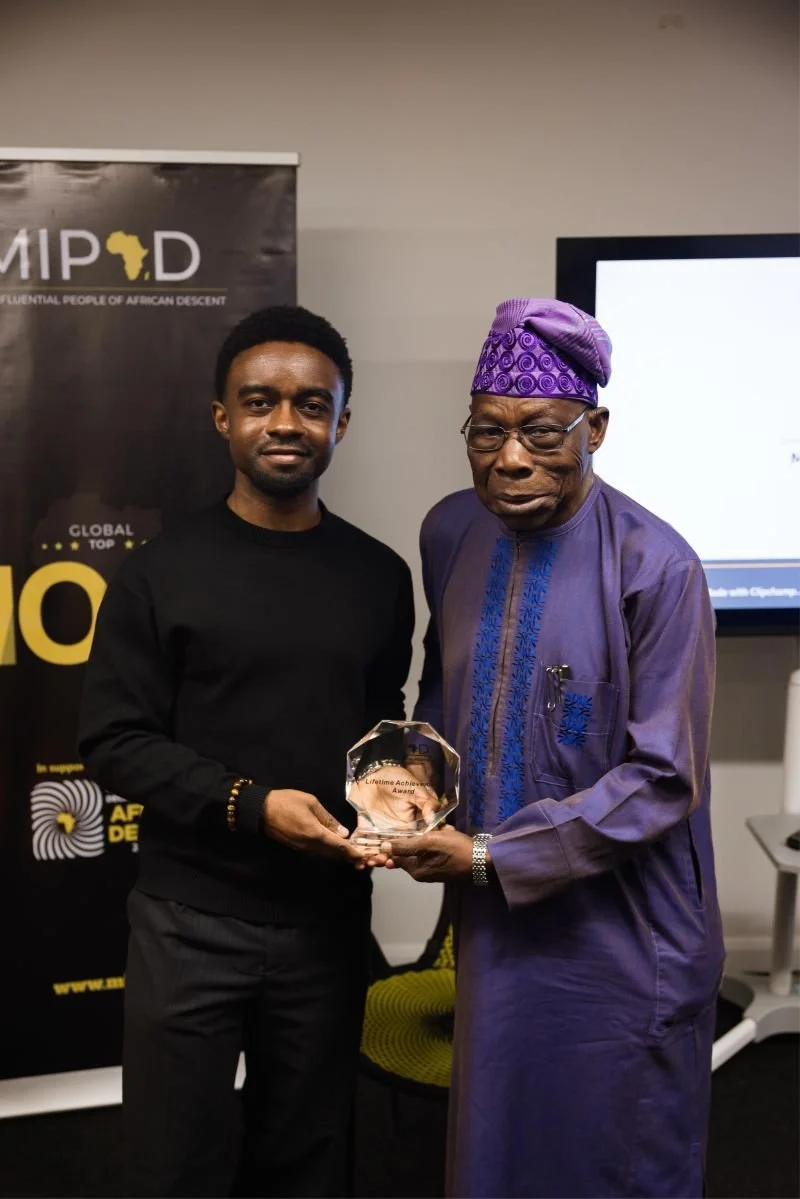
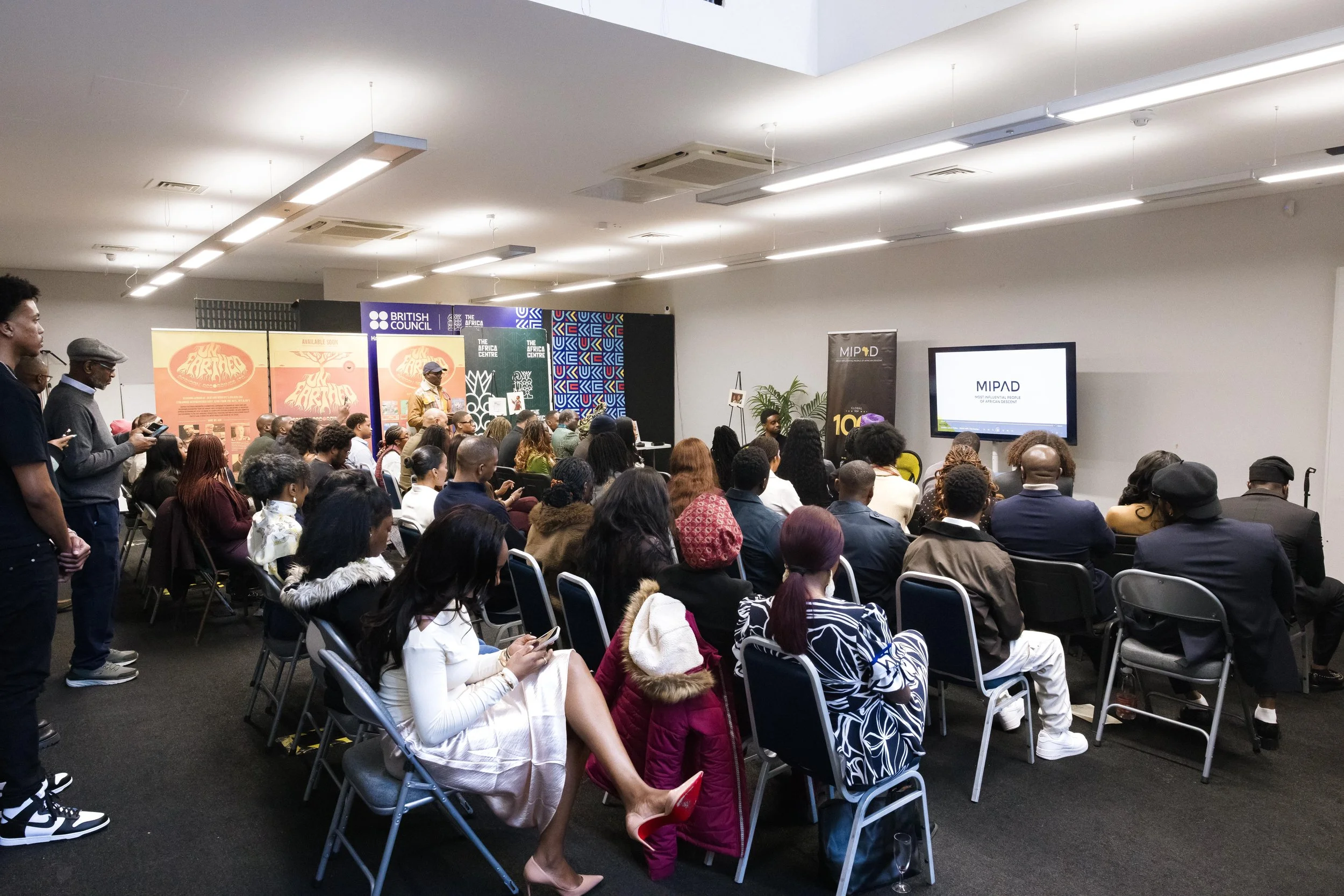
The room brought together people working across culture, finance, policy, media, and community spaces. What stood out was not the breadth of sectors, but the ease with which people engaged across them. Ideas were exchanged without pressure or performance.
The presence of Chief Olusegun Obasanjo, former President of Nigeria, brought perspective to the conversation. When he spoke about diversity, he was not referring only to ethnicity or nationality. He spoke to differences in belief systems, lived experience, generational outlooks, and power dynamics. His focus on leadership as the ability to manage that complexity reflected lessons I have learnt building SMADE Entertainment Group.
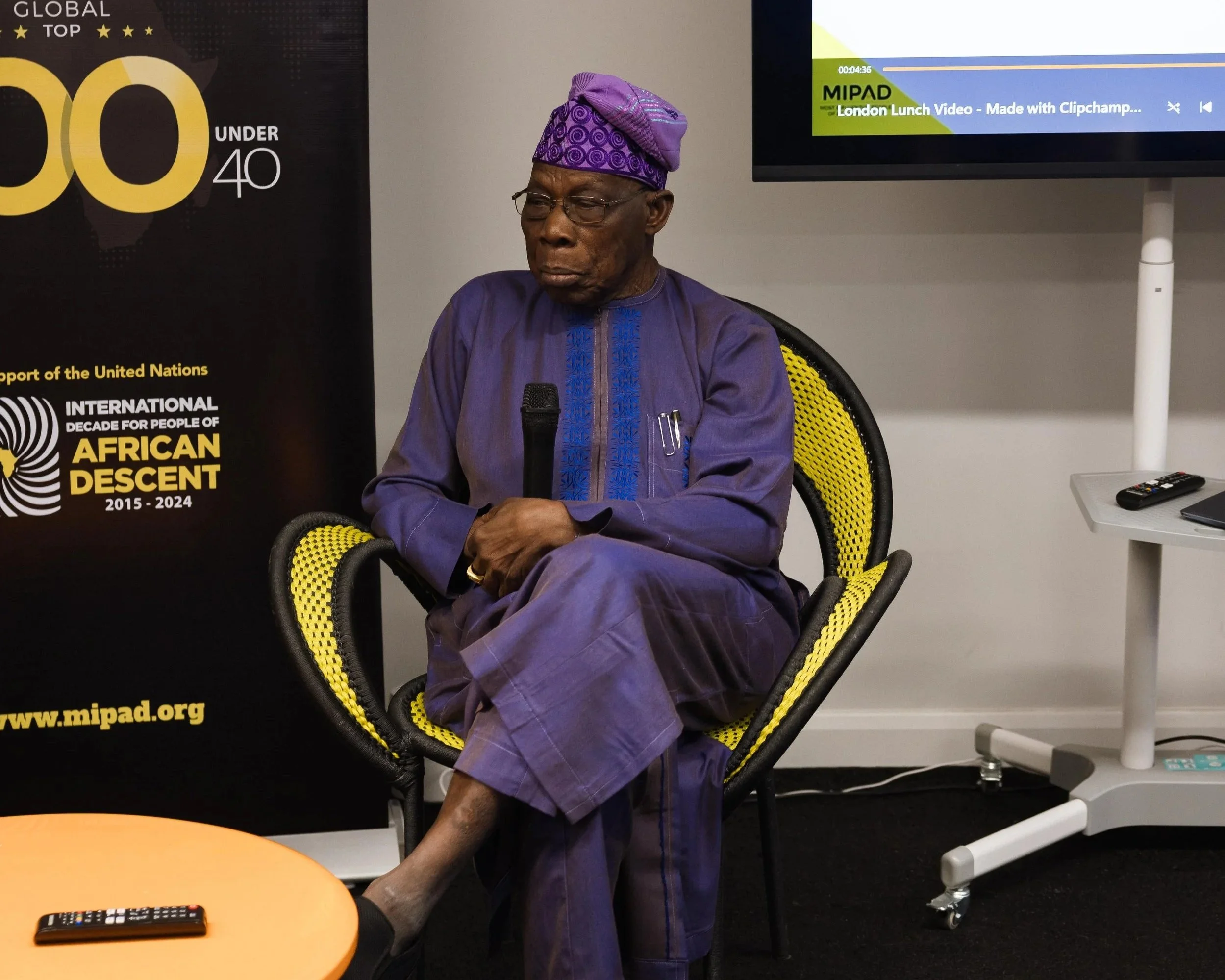
Leading SMADE across borders has required navigating different cultural expectations, creative approaches, and definitions of success. It has taught me that effective leadership in a diaspora context depends on patience, cultural fluency, and the discipline to lead without flattening difference.
That idea stayed with me after the lunch. Leadership across Global Africa requires clarity and restraint. It requires holding multiple perspectives at once, making decisions with context, and moving forward without forcing false consensus. Shared direction matters more than uniform agreement.
His emphasis on taking ownership of our narrative also felt timely. Not as a slogan, but as a responsibility. Telling our history honestly, including its difficult chapters, is part of how we build credibility and continuity. It shapes how we educate, how we create, and how knowledge is passed forward.
In my own work across culture and live entertainment, I am reminded often that narratives shape outcomes. They influence access, perception, and long-term opportunity. Culture functions as infrastructure. When it is built with intention, it supports sustainability and ownership. When it is neglected, gaps appear.
Institutions like The Africa Centre play a critical role in this ecosystem. They are working spaces where policy, culture, and education intersect, and where conversations can move beyond acknowledgement into responsibility.
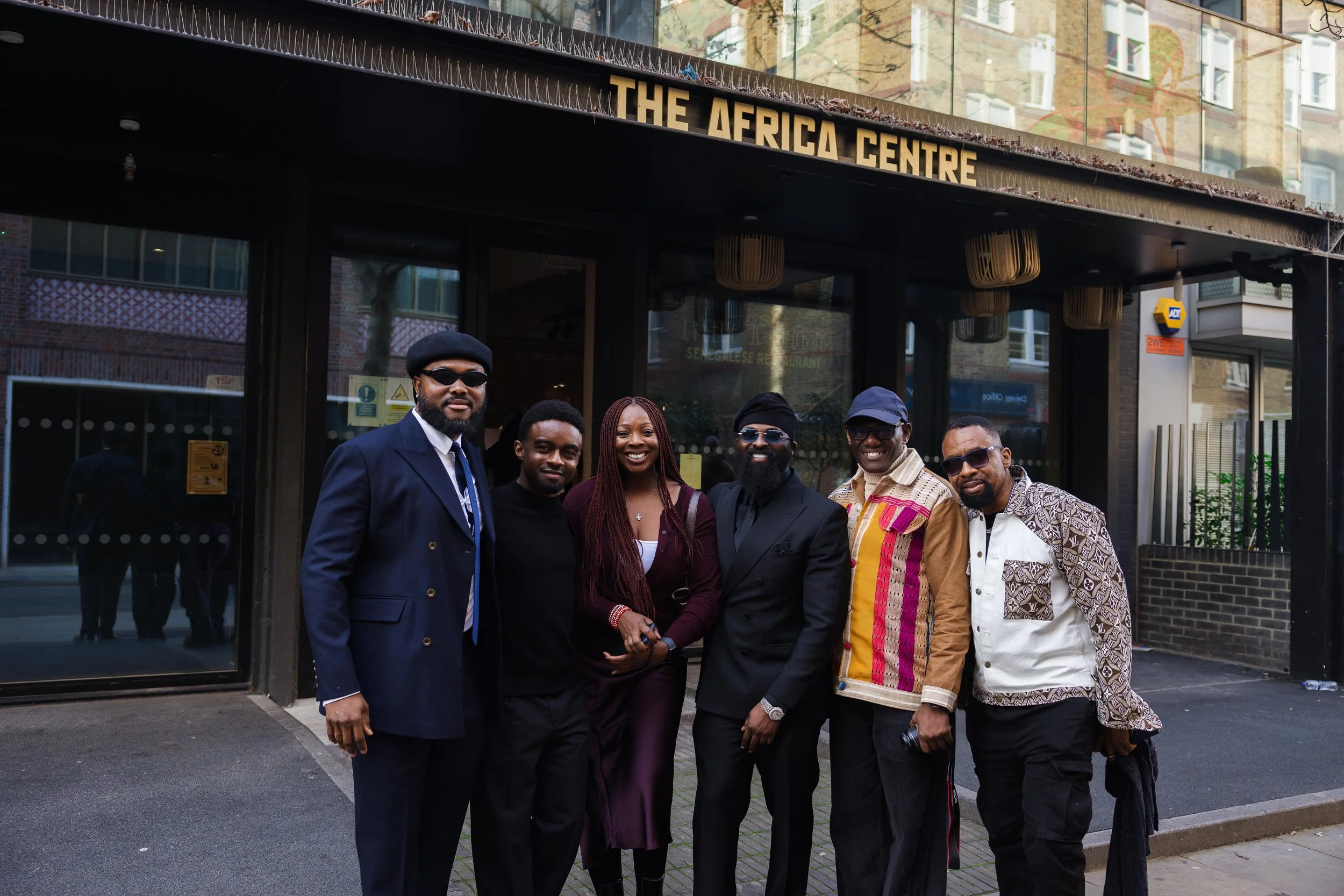
As the lunch came to a close, I felt encouraged by the consistency of work being done across different sectors. Progress is rarely loud. It is usually the result of sustained effort, aligned values, and long-term thinking.
MIPAD continues to provide a framework for that alignment, not by dictating outcomes, but by creating space for shared reflection and accountability.
I am reminded that we carry a responsibility to shape our own narrative with care and precision, informed by history, grounded in reality, and focused on what comes next.
Dr. King SMADE
Journal Entry
London, UK, February
