The Friction (Olamide, 2014)
A Gospel of Afrobeats story
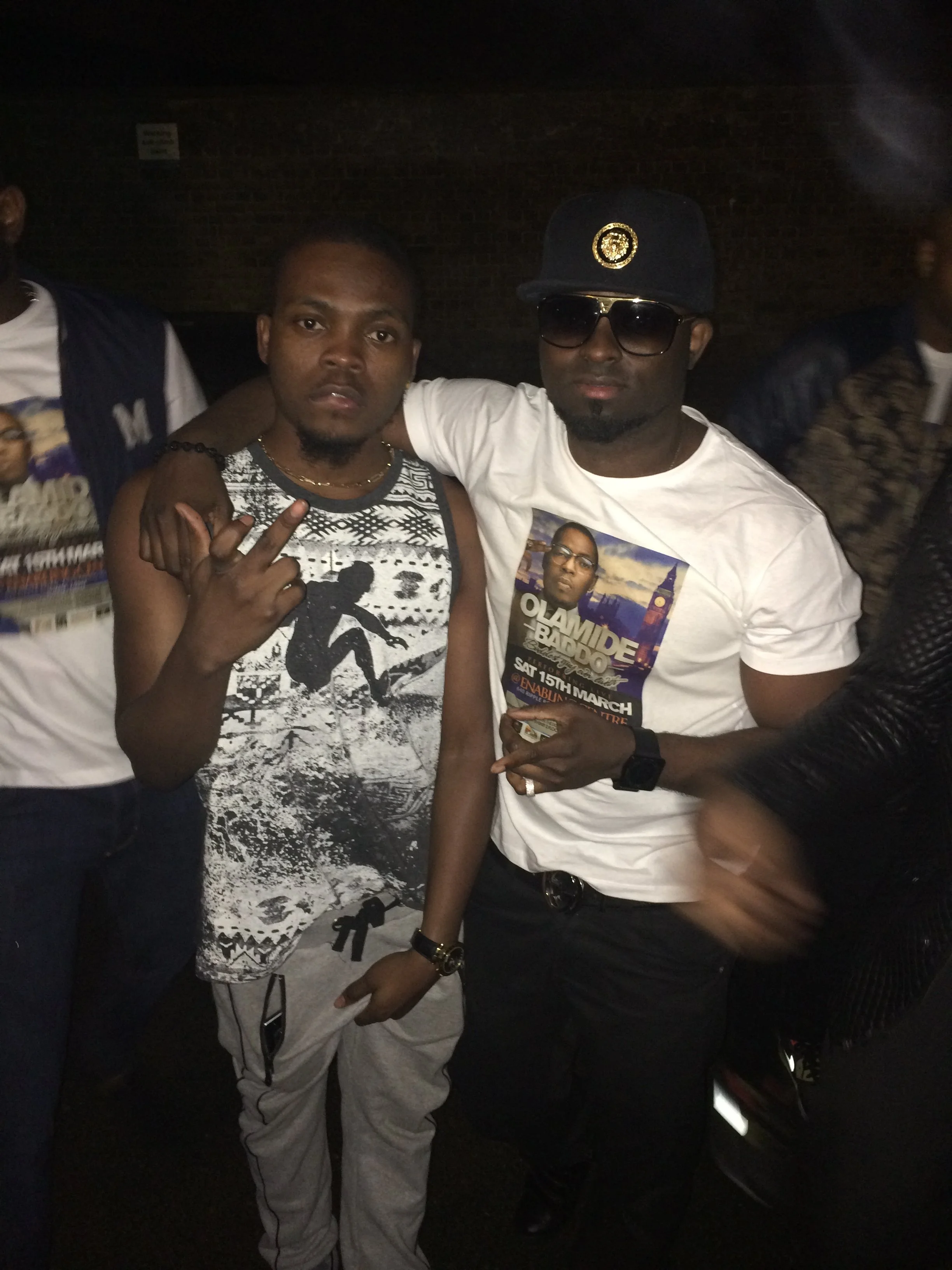
Not every first meeting begins with agreement.
I first met Olamide in 2012. I offered him a club date. He didn’t think it reflected his size.
There was no disrespect in the room. Just conviction. Two people serious about what they were building, looking at scale from different vantage points.
He understood the strength of his movement.
I understood London venues. Capacity limits. Security costs. Insurance clauses. What happens when ambition outruns infrastructure.
At the time, Afrobeats in the UK was still negotiating its identity. The artists crossing over were melodic. Polished. Positioned to travel easily.
Olamide was different.
Bariga. Mainland Lagos. Indigenous Yoruba lyricism. Street-hop energy. Music rooted in language, hustle and everyday reality.
He didn’t represent a softened version of the culture.
He represented it whole.
And the diaspora felt that.
Some understood every lyric.
Some understood fragments.
Some didn’t understand the words at all.
But they understood the feeling.
That matters.
In The 48 Laws of Power, Robert Greene writes in Law 27 about creating a devoted following by tapping into people’s need to believe — not casual fans, but believers who see themselves in you.
Olamide had that.
His audience wasn’t passive. They were invested.
And that level of belief creates force.
Force requires structure.
Instead of debating scale, we tested it.
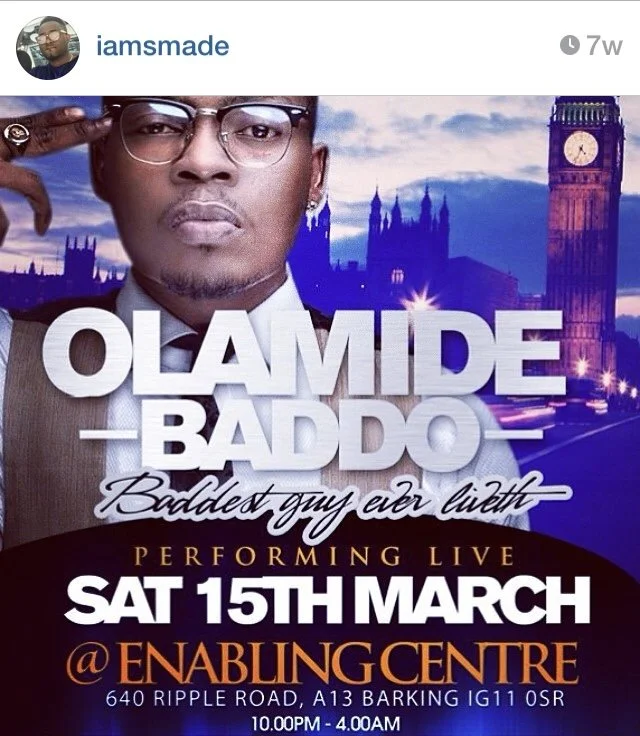
Barking. Around 1,500 capacity. Powered by SMADE, Que-B, Bigfoot, Kayo and Royale Links
On paper, it made sense. Big enough to prove something. Small enough to manage if it didn’t move.
By early evening, I knew the paper was lying.
The queue had stopped behaving like a queue. It was folding into itself. People pushing forward. Phones in the air. Voices rising before the doors were properly open.
Security kept looking at me.
“How many tickets did you sell?”
“Within capacity.”
More people kept arriving.
Cars double parked. Groups running from the station. Yoruba cutting through East London air. Snapbacks. Heels. Sweat forming before the show had even started.
Then the doors started to shake.
Not metaphorically.
Physically.
You could feel it through the metal.
Inside, the air thickened. Too many bodies. Too much heat. The energy wasn’t violent. It was emotional. Urgent. Insistent.
Security chatter turned sharp.
“Stop the line.”
“We can’t hold this.”
“This is too much.”
In moments like that, there is no theory. No strategy deck.
There is only risk.
Risk of injury.
Risk of shutdown.
Risk of losing your name in one night.
And I had a name now.
I stood there calculating in seconds.
If we shut it down, we lose money.
If we hold it tight, we risk panic.
If we open access, we lose control.
Outside, the doors buckled again.
The culture had decided.
We opened access.
It was chaotic.
It was messy.
It was expensive.
And it was undeniable.

The venue wasn’t too big for him.
It was too small for what was coming.
That night didn’t make profit.
But it made proof.
Scaling came quickly after that.
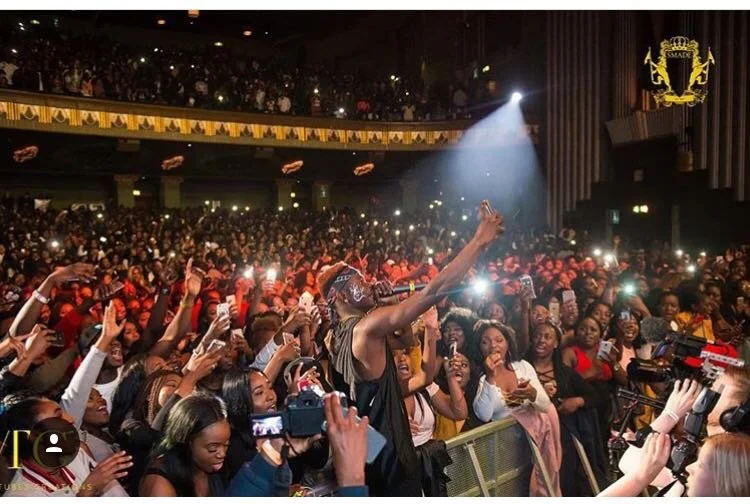
Troxy.
HMV Apollo.
Building Six at The O2 complex.
Each room bigger. Each crowd louder. Each negotiation heavier.
Because something else came with scale.
Scrutiny.
When predominantly Black audiences began filling central London venues consistently, the tone shifted.
Risk assessments multiplied.
Security requirements doubled.
Insurance costs increased.
Contracts thickened.
There were meetings where the questions felt coded.
“Can your audience handle this space?”
“What assurances can you give us?”
“Is this the right demographic?”
A few incidents anywhere could suddenly justify restriction everywhere.
Margins thinned. Security bills rose.
Some promoters slowed down.
I stayed.
And staying came at a cost.
Truthfully, I was losing money.
There were nights I drove home in silence. No music. No phone calls. Just numbers replaying in my head.
Security.
Venue hire.
Staffing.
Insurance.
I had a family. Children who didn’t care about cultural infrastructure. They cared about stability.
There was never a moment I considered stepping back.
Scaling Olamide was not the safe decision.
But it was the necessary one.
Afrobeats could not mature in fragments. It could not be accepted only in its polished form.
The mainland voice belonged on those stages too.
If one pioneer could headline these rooms, the next artist wouldn’t have to start in a hall in Barking.
They would step into infrastructure that already existed.
That is how industries are built.
Through friction.
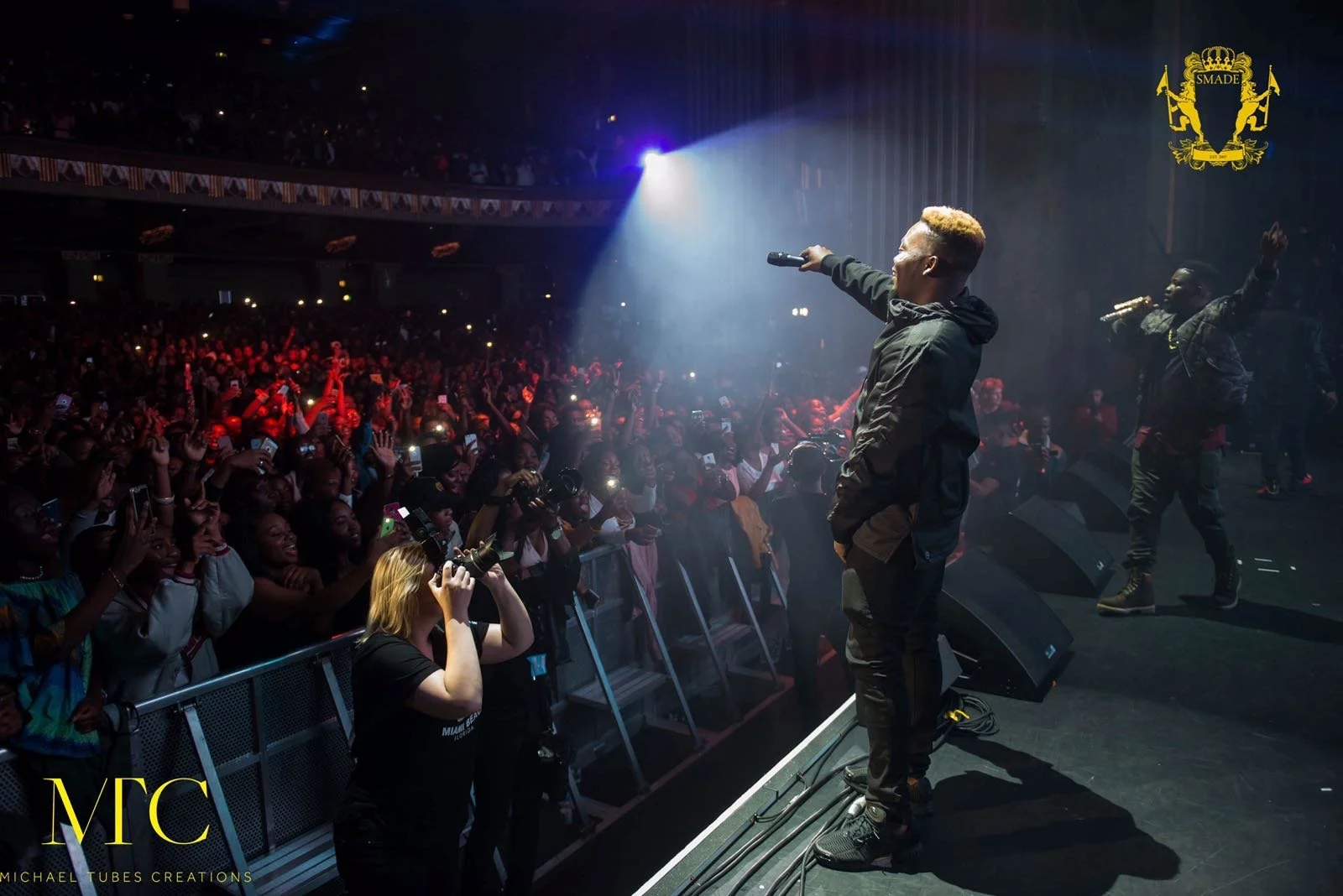
The audience learned how to exist in bigger rooms.
Venues learned how to host us.
Security teams learned that thousands of young Black fans singing in Yoruba was not a threat. It was culture.
By 2015, the shift was undeniable.
The systems were tighter.
The rooms disciplined.
The presence established.
Looking back, that first disagreement wasn’t conflict.
It was calibration.
He saw the size of his movement before the buildings did.
I saw the buildings before the movement filled them.
We both needed to be right.
Barking was never the destination.
It was the stress test.
Once it passed, the door didn’t just open.
It stayed open.
Dr. King SMADE
Journal Entry
London, UK, February
