What Happens to the Legends?
A Gospel of Afrobeats story
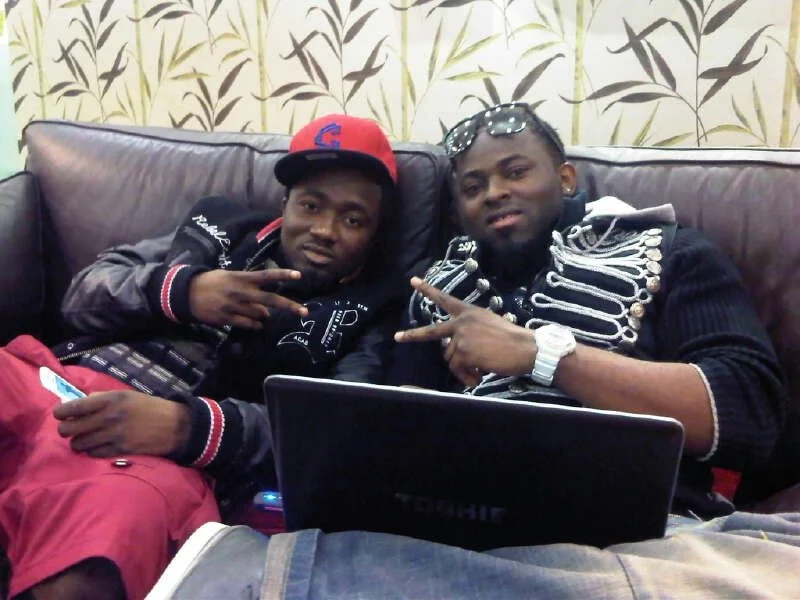
The first time I saw D'Banj perform live, he opened with a sentence that stayed with me.
“You don’t know me… but by the end, you gon know me.”
He wasn’t wrong.
I remember standing there watching him and feeling emotional. I think I even shed a tear. Something about that moment made the possibility of Afrobeats feel real in a way I had not experienced before.
At the time, I was a broke student with a BlackBerry and big dreams.
I spent my days walking into barbershops and African stores, collecting numbers and selling tickets. Sometimes I was doing it for free. I wasn’t thinking about recognition. I was learning the game.
I watched people like DJ Abass and Ayo Shonaiya move with intention. They understood the culture and they understood the business around it.
In 2009, I co-promoted the D’Banj Koko Concert at the Indigo2 in London. It was the first major artist show I was part of.
That night changed something for me.
Up until then, events felt like individual moments. That show made me realise this could become something bigger. It could become history.
But history does not start with sold-out venues. It starts with relationships.
Real relationships. The kind built on trust, consistency and respect. The kind where people open doors for you because they know your intentions are genuine.
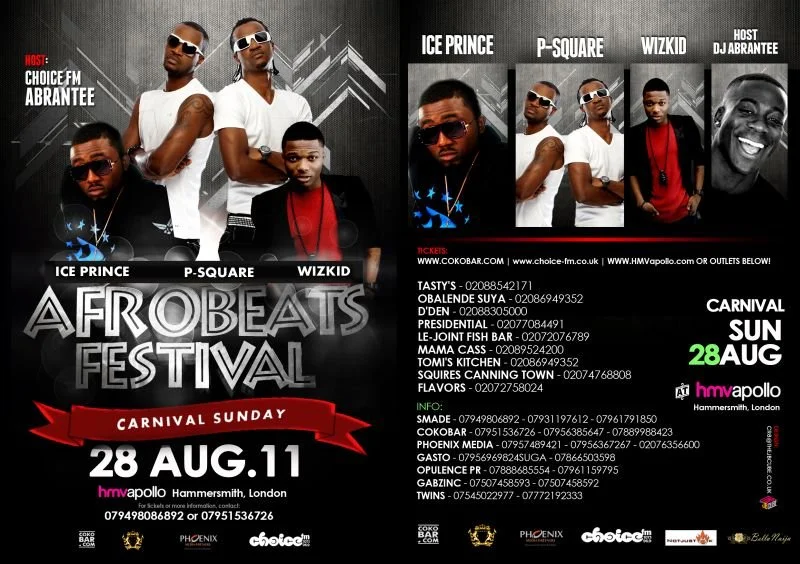
In the years that followed, Afrobeats in the UK began to grow slowly through events, tours and festivals. In 2011, the Afrobeats Festival brought artists like Ice Prince, P-Square and Wizkid to the stage. It was one of the early moments where the sound started to feel like a movement rather than isolated shows.
After that, more artists began to arrive. Wizkid in 2012. Davido in 2013. Olamide in 2014.
Those moments matter, and they became important chapters in the culture.
But before the arenas and the global conversations, there were artists who helped carry the culture through an earlier phase. Artists whose music travelled through clubs, campuses and diaspora communities while the infrastructure was still forming.
Artists like Dr Sid and Ice Prince.
This story is about them.
Not from a place of criticism or comparison, but from reflection. Looking back, I sometimes feel we could all have done more.
Dr Sid
At the time, Dr Sid was moving strongly. His songs were ringing in clubs and his name carried real momentum across the Nigerian and diaspora scenes. The early Mavin Records era was shaping a polished Afropop sound that travelled easily into nightlife spaces across London.
Social media had started to change access. BBM, Instagram, Twitter and Facebook made it possible to reach artists directly without layers of gatekeeping.
I reached out.
We agreed on a ten-city tour. I paid a £5,000 deposit and the balance was meant to be settled just before the tour began. Bizzle travelled with me as well because he was working closely with the Mavin camp.
The London show was at LA Lounge.
When I announced the event, the response was immediate. Promoters, DJs and people within the space began calling. Everyone wanted to be involved.
Dr Sid had that kind of pull at the time. His records were part of the soundtrack of the clubs, and that energy followed him into the rooms.
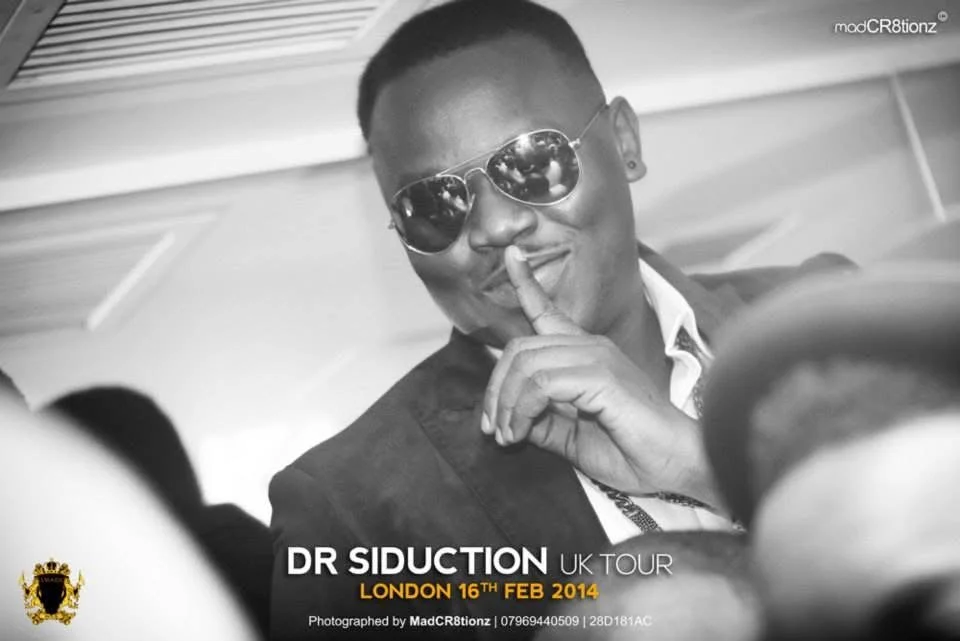
The London show felt closer to a club night than a traditional concert. The audience already knew the records. When the music dropped, the room moved the way club crowds move when a familiar song comes on. His music belonged to that moment in Afrobeats where nightlife was one of the main engines carrying the culture forward.
The tour moved through cities like Coventry, Birmingham, Liverpool, Manchester and Leicester. Every city had its own energy and its own community showing up.
London plays a special role for African artists. When a show works here, the visibility travels. From there the momentum can move to other cities and sometimes even other countries.
Touring also comes with its realities. At one point while we were travelling between cities, my tire burst while he was with me in the car. Moments like that remind you that the road is not glamorous.
Still, the tour mattered. It was another piece of the early infrastructure Afrobeats was building outside the continent.
Ice Prince
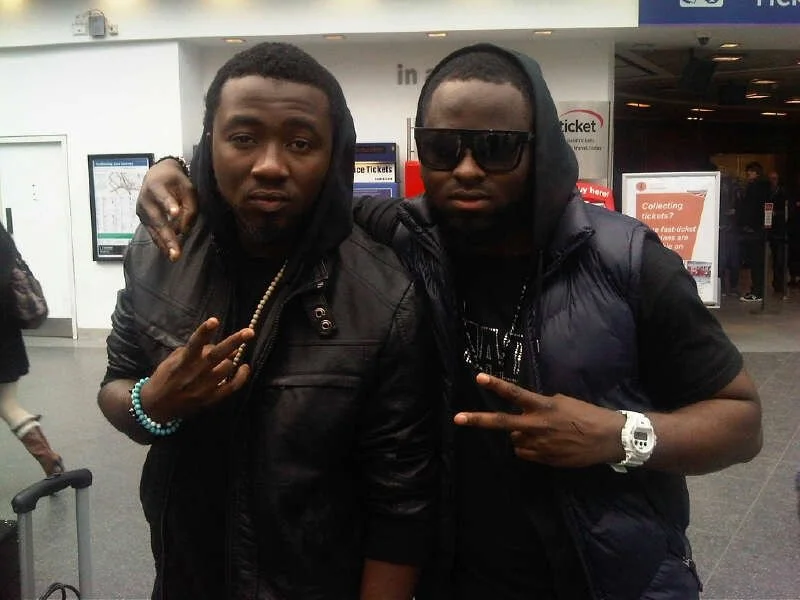
My connection with Ice Prince came through those same early touring years.
At one point he and Wizkid stayed at my house while they were in the UK for the I Love Afrobeats show. That was the nature of the ecosystem then. People were building together in practical ways.
Ice Prince represented a slightly different current within Afrobeats at the time. His music blended rap with melodic Afropop, and it connected strongly with students and younger audiences.
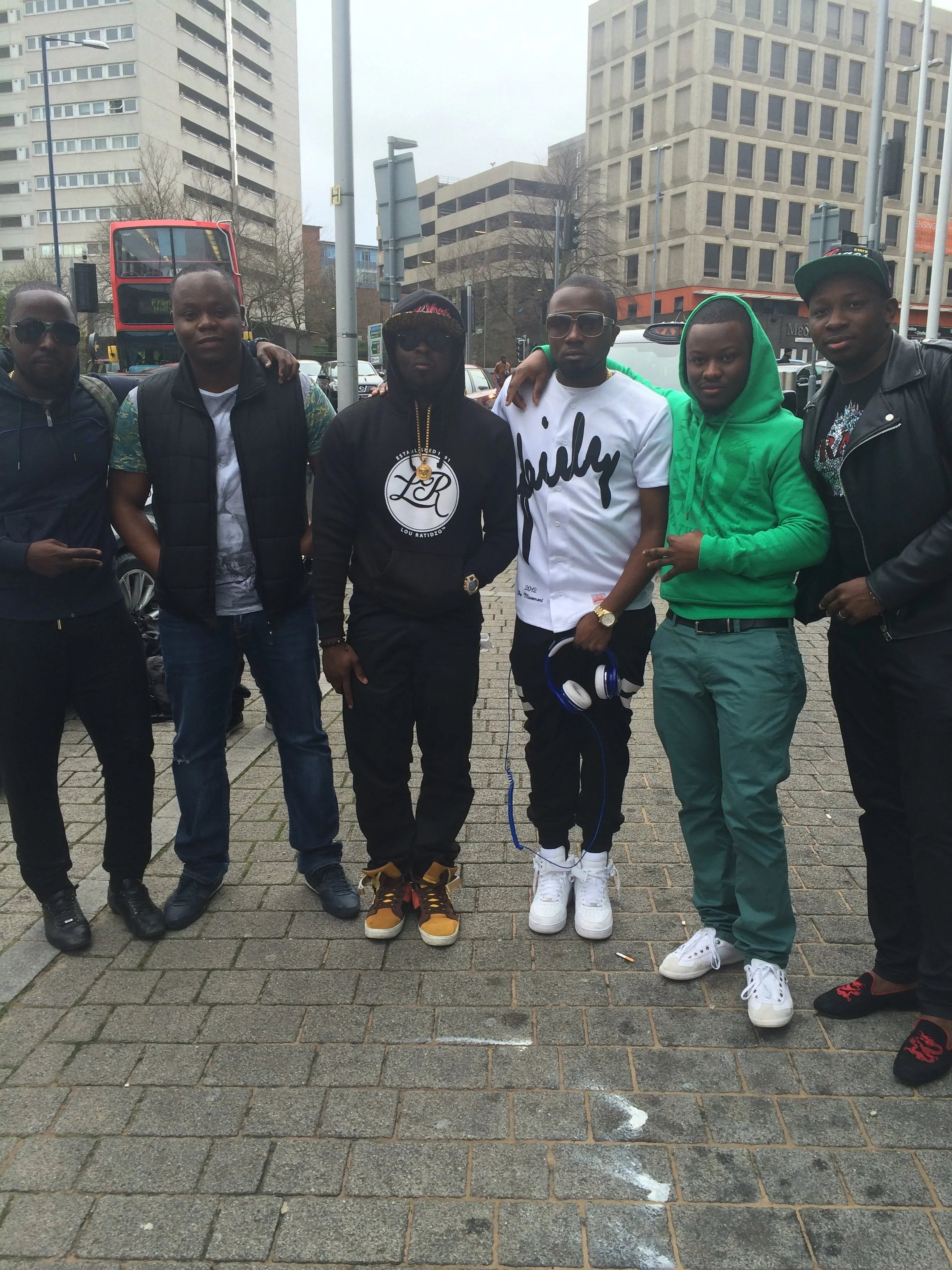
We took the tour across cities including Coventry, Birmingham, Liverpool, London, Sheffield and Manchester.
Touring meant constant movement. Liverpool one night. Manchester the next. Then another city immediately after.
Driving from Liverpool to Manchester one evening, I had an accident. I had been pushing through back-to-back shows and the exhaustion finally caught up with me.
Even with moments like that, the shows worked.
The London show was in the same hall where I later promoted Olamide. The venue was full.
The feeling in the room was different from the Dr Sid show.
When Ice Prince performed Oleku, the whole room moved together. People were not just dancing. They were shouting the lyrics. The song had travelled through campuses, house parties and diaspora communities that were still discovering Afrobeats.
Some songs capture a moment.
Others capture an era.
Oleku did both.
Years later, it still plays in clubs. That is what an evergreen record looks like.
The Question
Those tours helped lay part of the foundation for Afrobeats in the UK.
Promoters, DJs, media platforms, street teams, artists and audiences all played their role in building the culture outside Nigeria.
Looking at the wider music industry today, one thing stands out.
In mainstream pop music, there is space for the legends. Artists with twenty-year careers still tour. Their catalogues are preserved. Their audiences grow with them. Their music travels across generations.
Afrobeats celebrates the new wave. The energy of new artists keeps the culture moving forward.
But Afrobeats has also moved very quickly. New artists emerge every year. New sounds take over the clubs. Attention shifts faster than it used to.
In that speed, it becomes easy to forget the artists who carried the culture through earlier moments.
The ones who filled rooms before the arenas.
The ones whose songs travelled the diaspora before streaming platforms amplified everything.
Which raises a question.
What happens to the legends?
What does legacy look like in Afrobeats?
Is it legacy tours?
Documentaries that preserve the early stories?
Archiving the records that defined earlier eras?
Looking back, I sometimes feel we could all have done more. Promoters, media and the wider industry. Culture moves forward naturally, but memory requires intention.
The first time I saw D'Banj perform, he told the audience they didn’t know him yet.
By the end of the show, everyone did.
Years later, his music still travels.
That is what legends do.
The real question is whether the culture learns how to carry them with it.
Because movements grow through the new generation.
But they are built on the shoulders of the ones who came before.
Dr. King SMADE
Journal Entry
London, UK, March
