The Journal
Notes from the Afrobeats era and the systems behind the culture.
An archive of reflections, interviews, and field notes from the work of building culture at scale. Less hype, more infrastructure. Less headlines, more legacy.
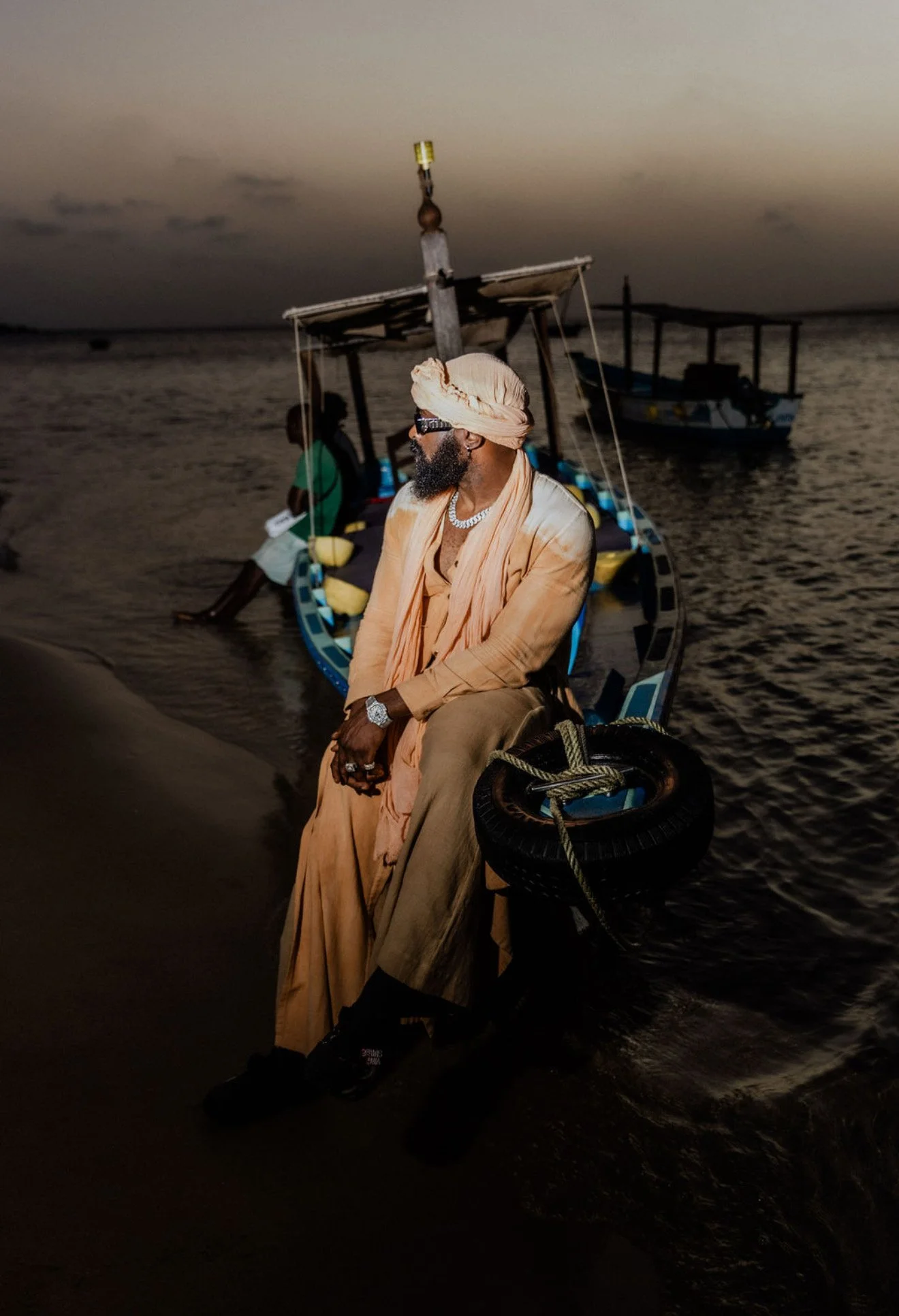
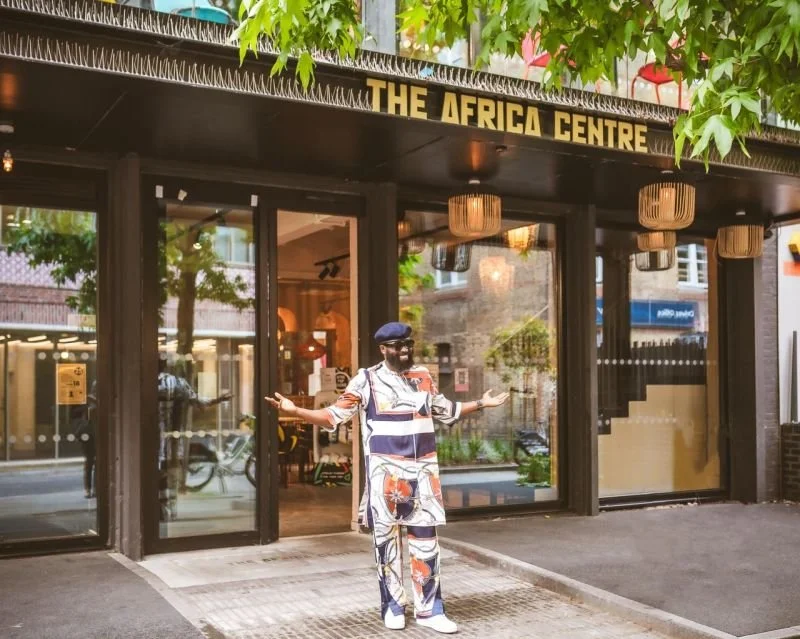

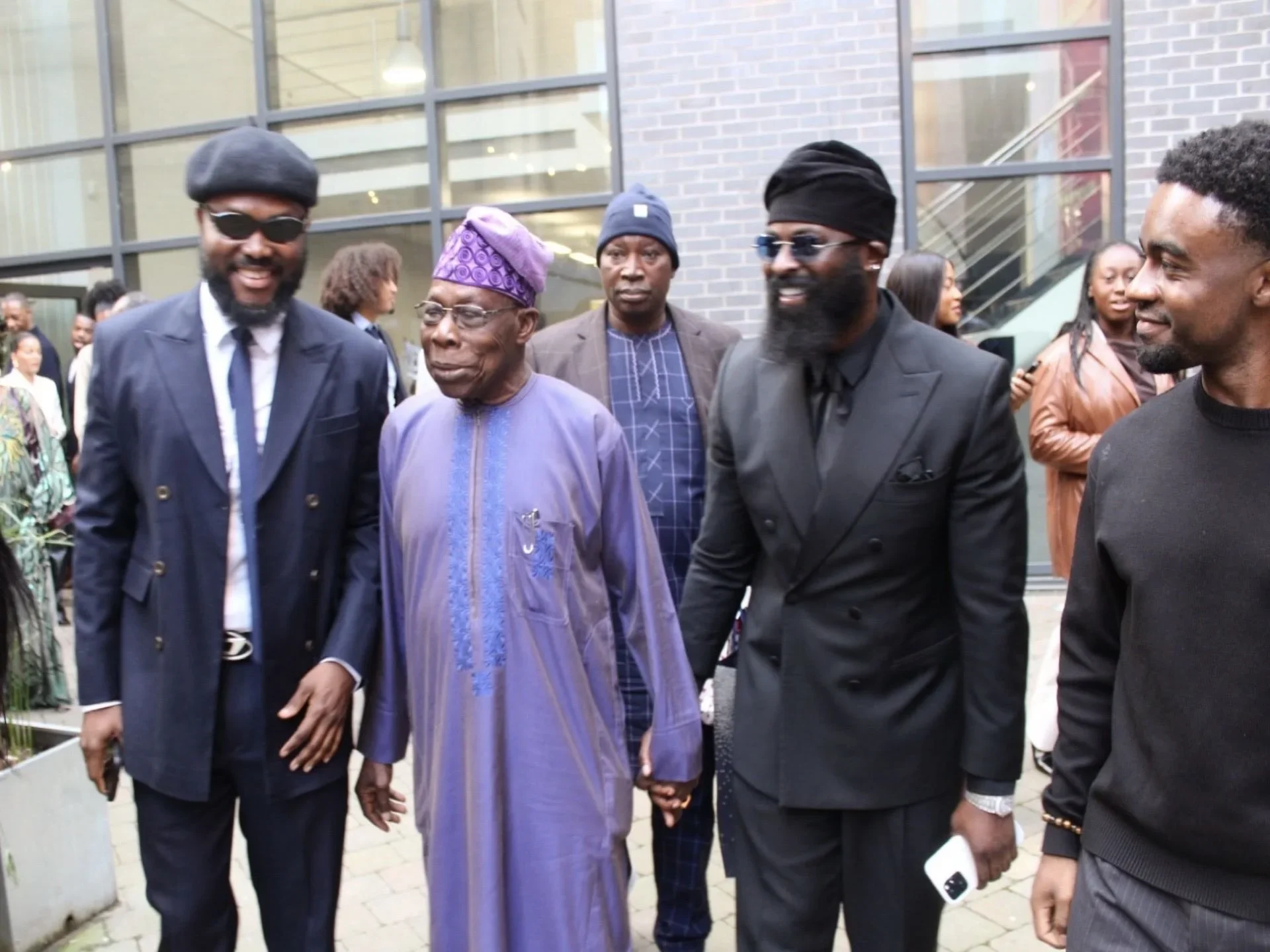
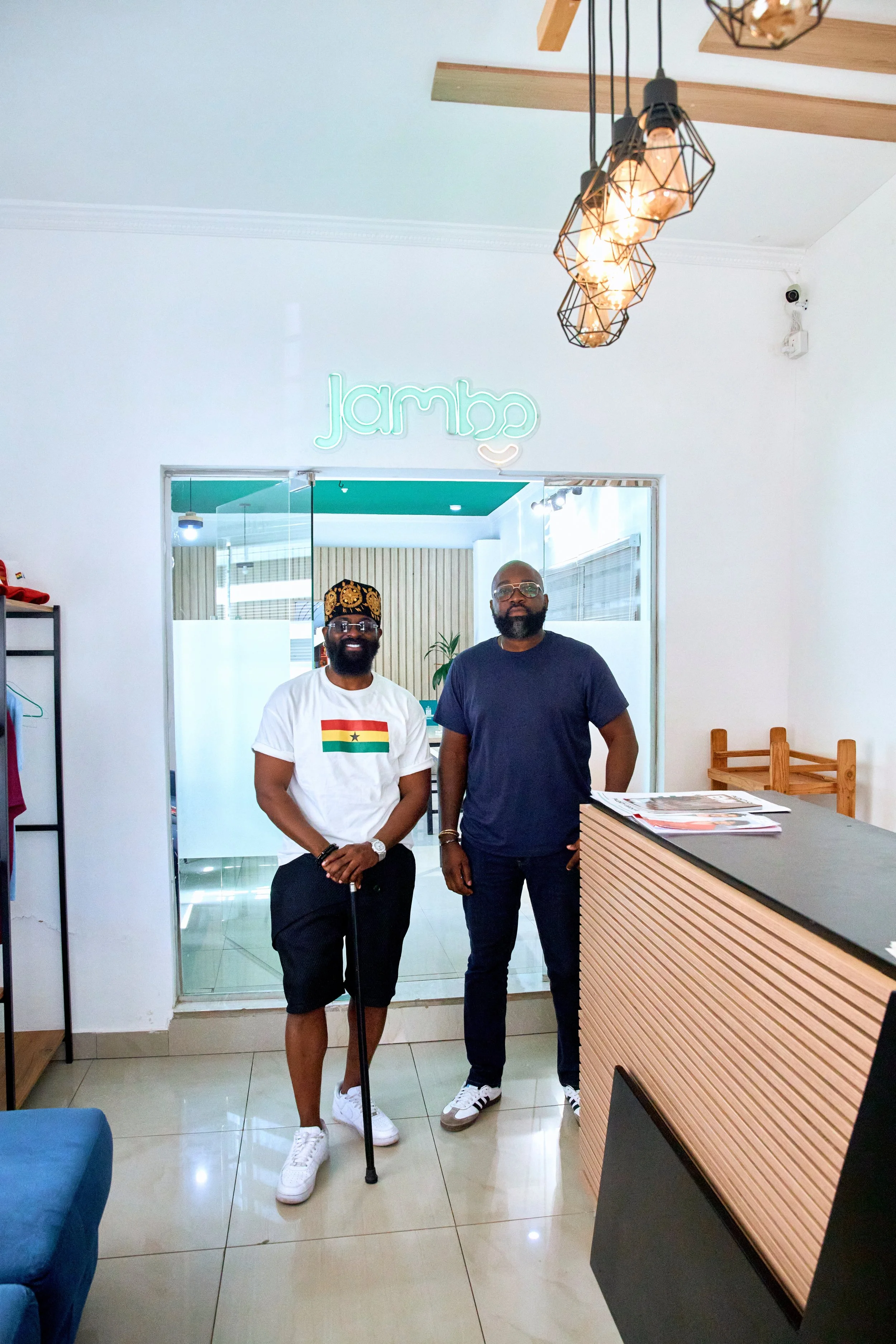
Why Spaces Like Jambo Matter for Accra’s Creative Economy
Ahead of the Diaspora Roundtables, I visited Jambo Spaces in Accra to understand what sustainable creative infrastructure looks like in practice. Built and owned by Africans for African creatives, Jambo offers a clear example of how access, permanence, and local control allow creative economies to move beyond moments into systems.

On Scale, Systems, and Why Talent Alone Isn’t Enough
Most artists don’t fail globally because of talent. They fail because the system around them is weak.
We celebrate breakout moments, viral records, sold-out shows, international co-signs and call that success. But moments are not systems. And moments, on their own, don’t last. Culture scales through planning, partnerships, and accountability, not hype.
The first time I saw D'Banj perform live, he opened with a sentence that stayed with me.
“You don’t know me… but by the end, you gon know me.”
At the time, I was a broke student with a BlackBerry, walking into barbershops and African stores collecting numbers and selling tickets. I wasn’t chasing recognition. I was learning the game.
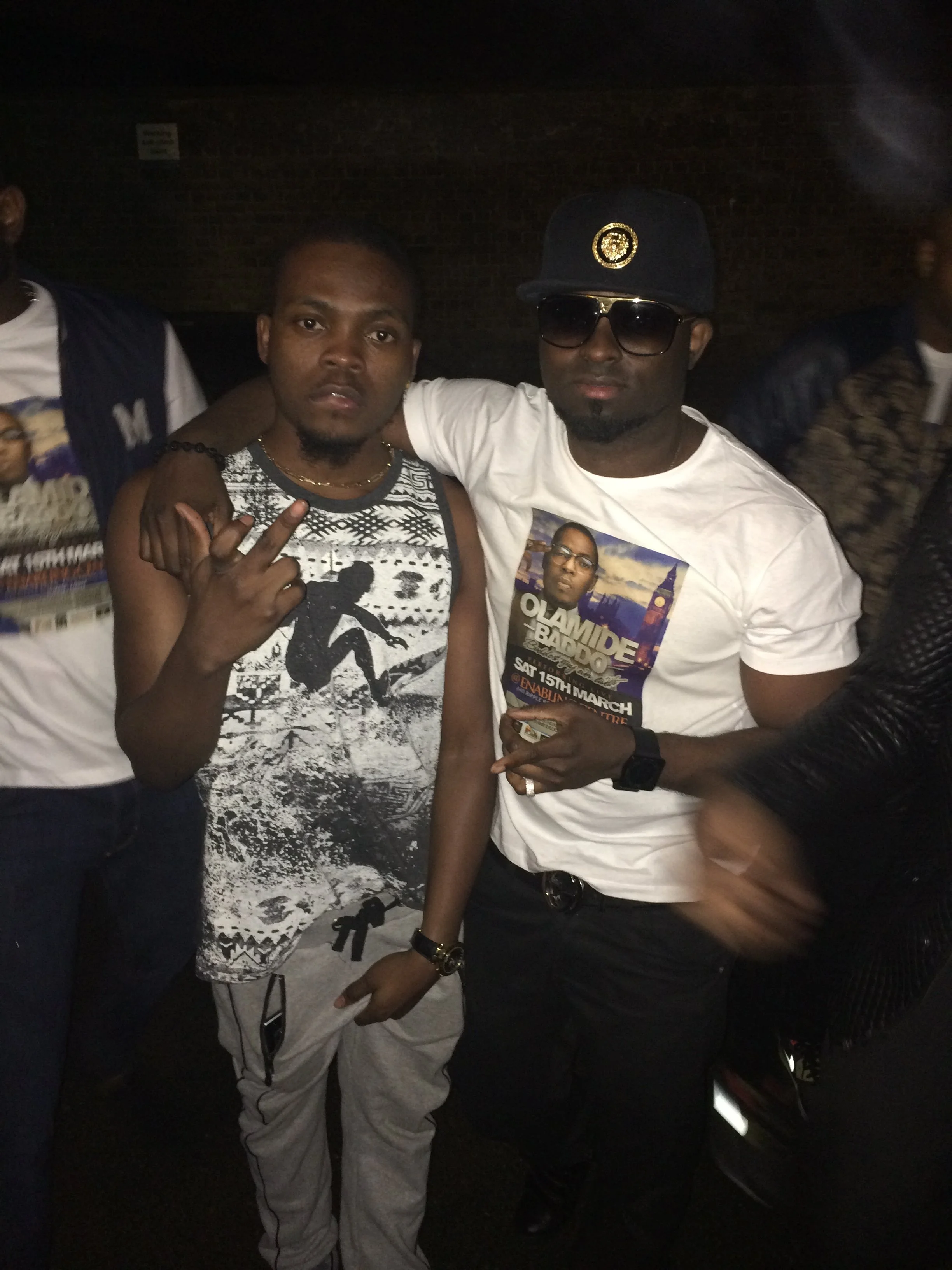
In 2009, I co-promoted the D’Banj Koko Concert at the Indigo2 in London. That night showed me Afrobeats could become more than events. It could become history.
In the years that followed, the culture began to grow through festivals, tours and club shows. Artists like Dr Sid and Ice Prince helped carry the sound through diaspora communities before the arenas and global recognition.
Looking back now, one question remains.
What happens to the legends?