The Journal
Notes from the Afrobeats era and the systems behind the culture.
An archive of reflections, interviews, and field notes from the work of building culture at scale. Less hype, more infrastructure. Less headlines, more legacy.
What Happens to the Legends?
The first time I saw D'Banj perform live, he opened with a sentence that stayed with me.
“You don’t know me… but by the end, you gon know me.”
At the time, I was a broke student with a BlackBerry, walking into barbershops and African stores collecting numbers and selling tickets. I wasn’t chasing recognition. I was learning the game.
In 2009, I co-promoted the D’Banj Koko Concert at the Indigo2 in London. That night showed me Afrobeats could become more than events. It could become history.
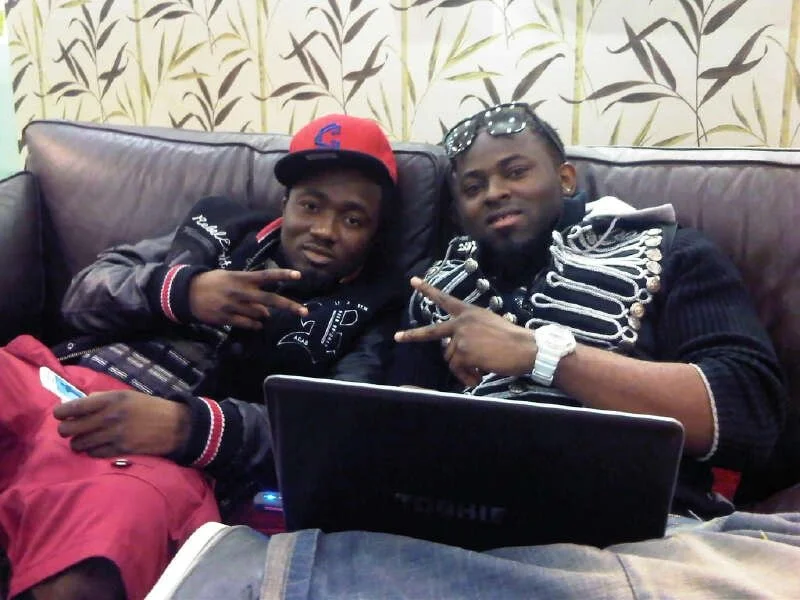
In the years that followed, the culture began to grow through festivals, tours and club shows. Artists like Dr Sid and Ice Prince helped carry the sound through diaspora communities before the arenas and global recognition.
Looking back now, one question remains.
What happens to the legends?
The Friction (Olamide, 2014)
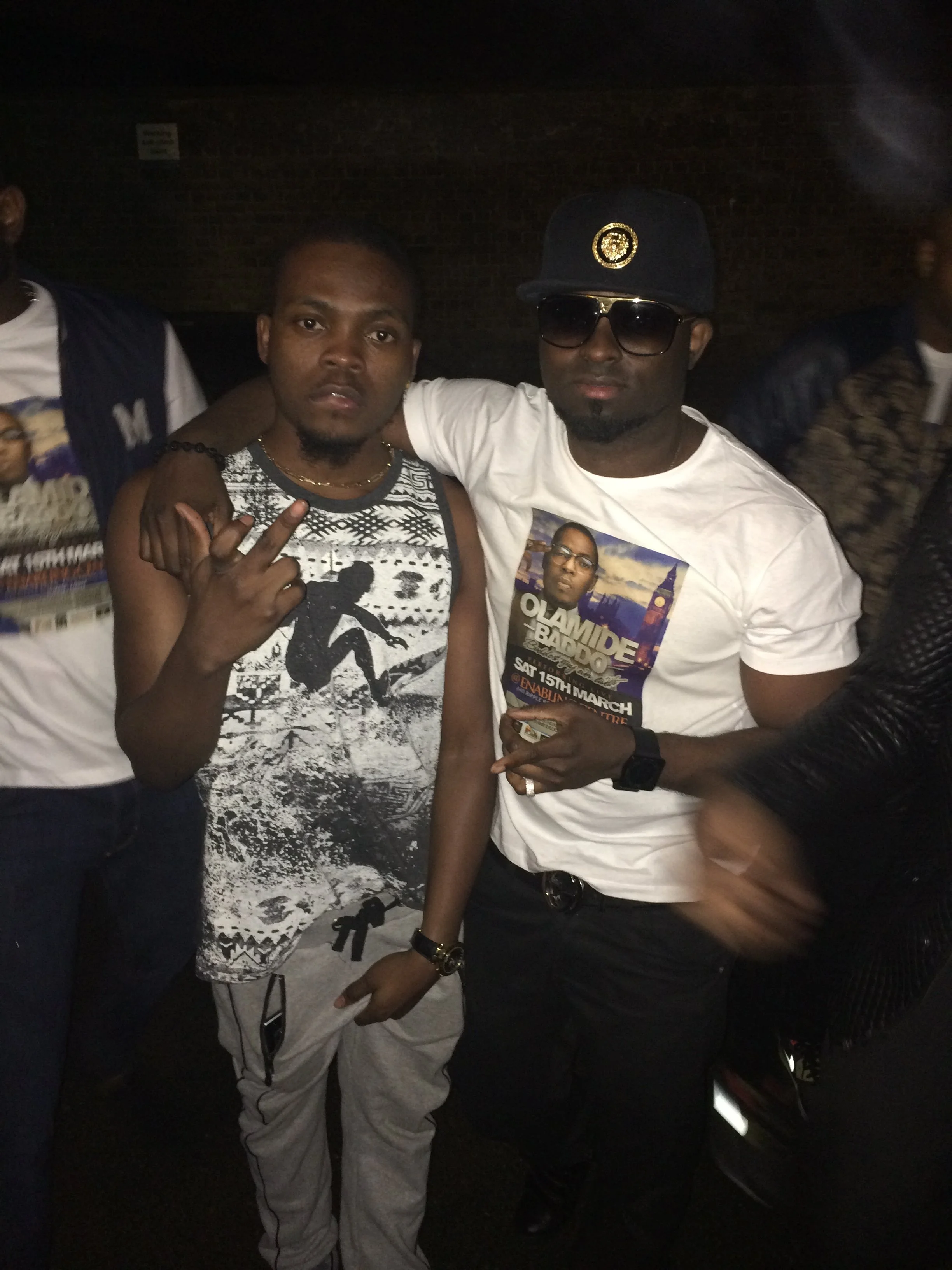
In 2012, a tense first meeting with Olamide led to a defining moment for Afrobeats in the UK. What began in a hall in Barking became a stress test for culture, infrastructure, and visibility. This is the story of how friction, scrutiny, and deliberate scale helped move street-rooted Afrobeats from community halls to institutional stages.
The First Solo Leap (Davido UK Tour, 2013)
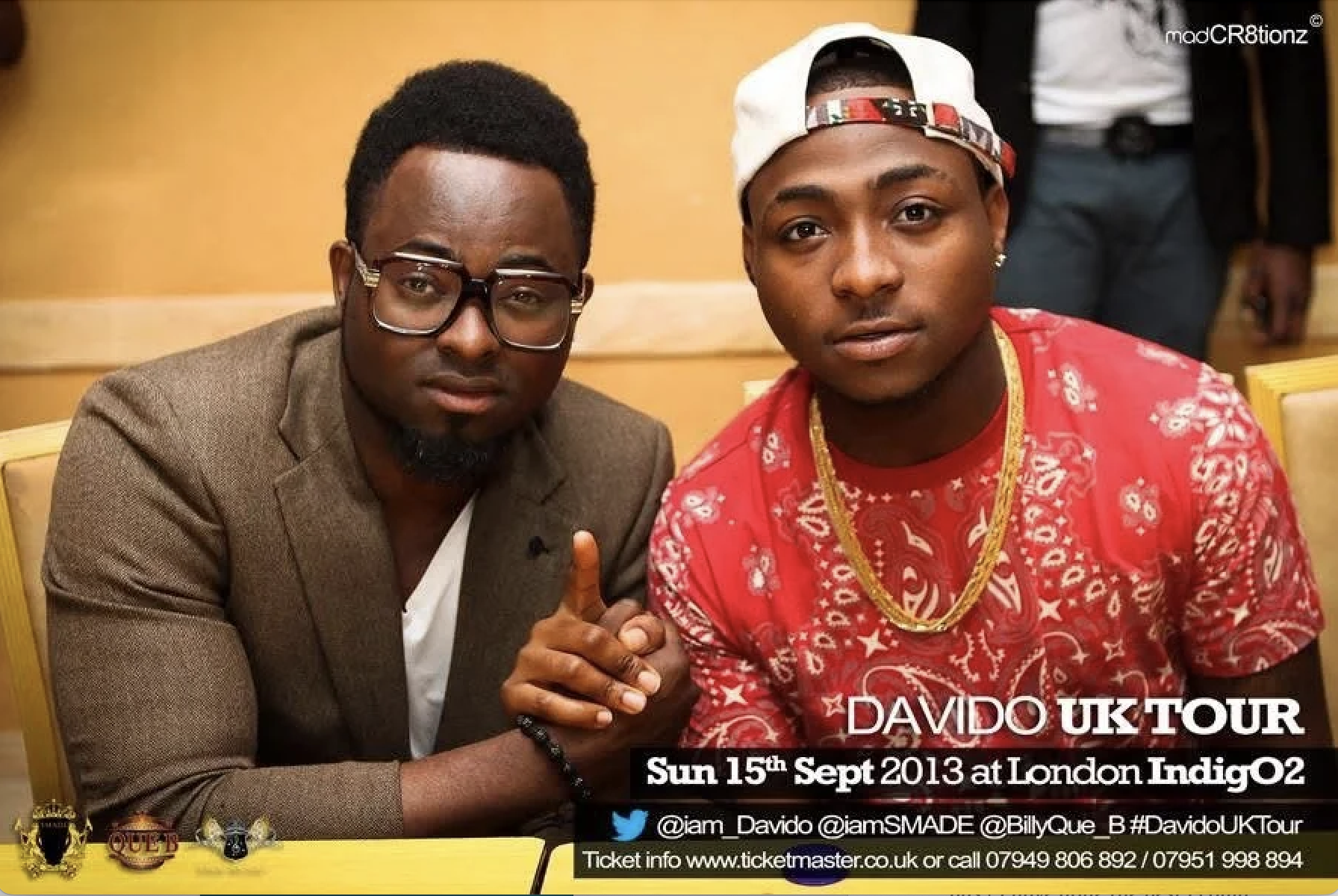
In 2013, I promoted Davido’s first major UK show at London’s INDIGO2 — my first solo concert without partners. Afrobeats was still emerging in the UK, and touring outside London was a risk. The show sold out. The tour travelled. Demand was not just discovered, it was created.
In 2024, backstage at The O2 Arena after Davido’s sold-out show, he reminded the room that SMADE did his first UK concert “when the year nobody wanted to.” That moment showed how far Afrobeats has come — and how belief compounds over time.
The first time I saw D'Banj perform live, he opened with a sentence that stayed with me.
“You don’t know me… but by the end, you gon know me.”
At the time, I was a broke student with a BlackBerry, walking into barbershops and African stores collecting numbers and selling tickets. I wasn’t chasing recognition. I was learning the game.
In 2009, I co-promoted the D’Banj Koko Concert at the Indigo2 in London. That night showed me Afrobeats could become more than events. It could become history.
In the years that followed, the culture began to grow through festivals, tours and club shows. Artists like Dr Sid and Ice Prince helped carry the sound through diaspora communities before the arenas and global recognition.
Looking back now, one question remains.
What happens to the legends?