Guide Radio in Accra: Owning the Narrative Behind “Detty December”
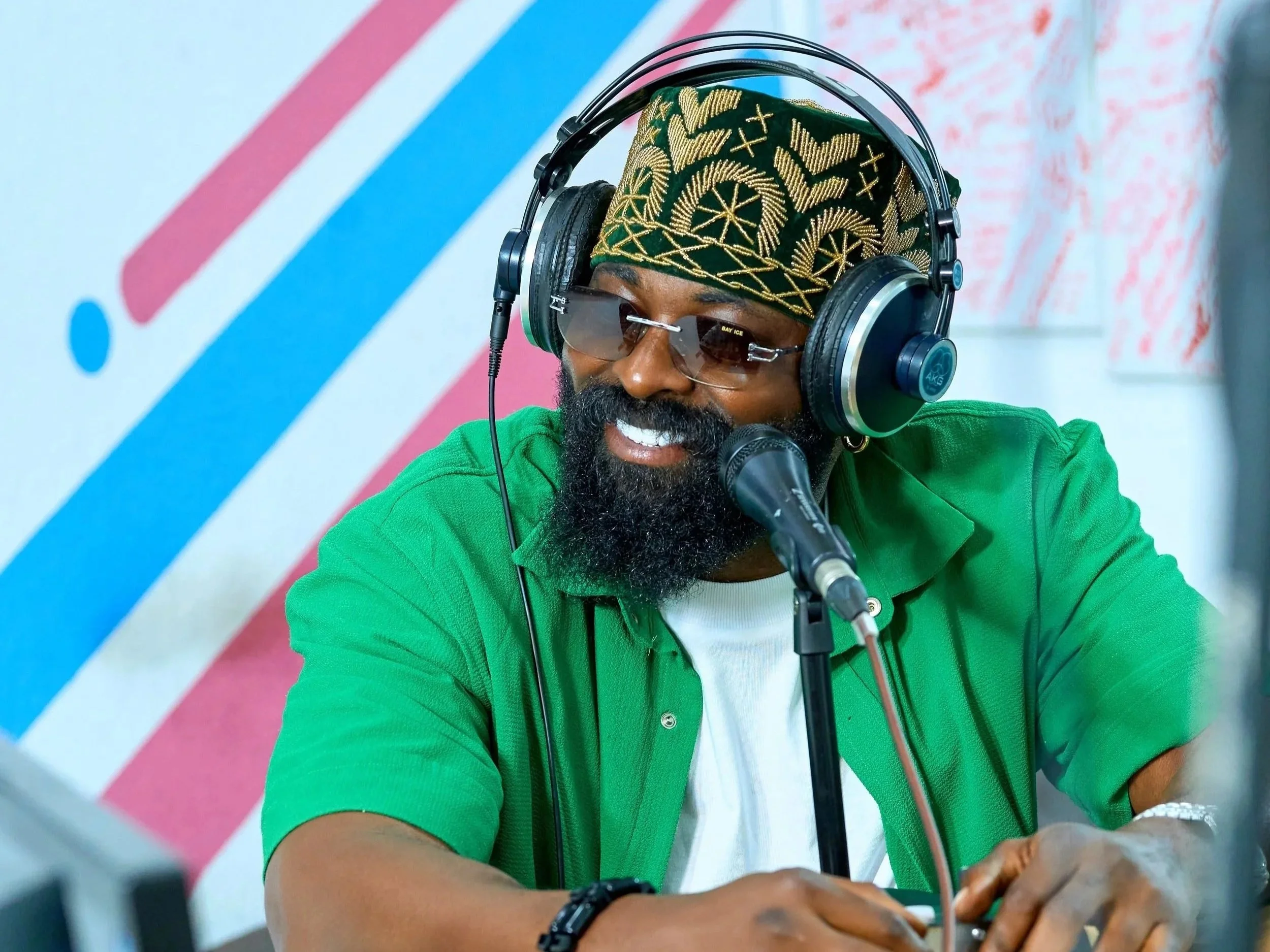
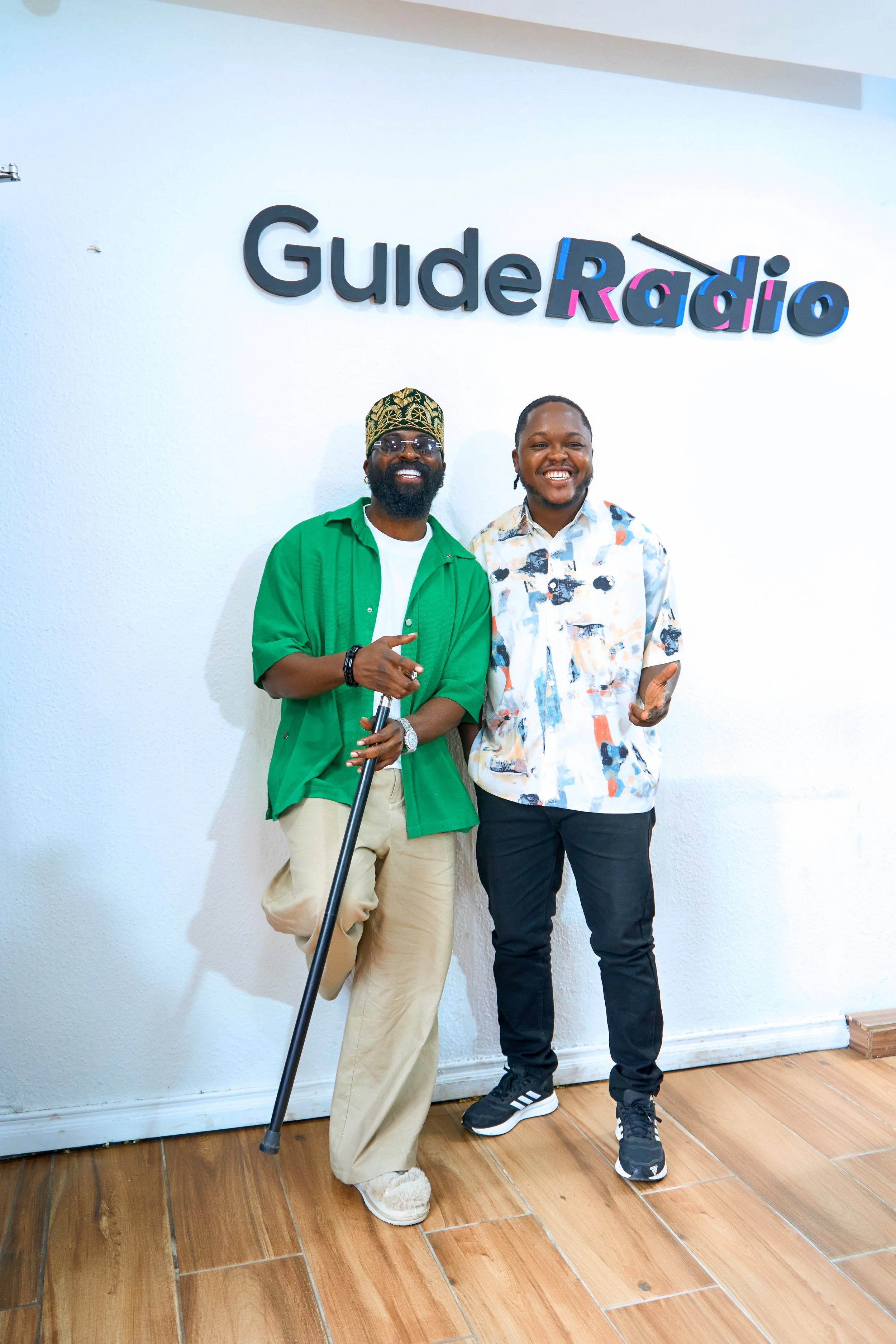
Last week on Guide Radio in Accra, I was asked why I was in Ghana when Nigeria is also in full swing.
The answer is simple. This season was never owned by one place. It was built across cities by the same people, moving back and forth long before it became a headline or a tourism strategy.
I’ve been part of that movement since 2013. It started in Lagos. It continued in Ghana. It grew through small rooms, house parties, beach houses, and club nights before anyone paid attention. What people now call “Detty December” existed as practice before it existed as language.
Those early years were not about branding. They were about connection. People travelled home, saw what was moving, and took that energy back into the diaspora. That is how sounds spread. That is how scenes grow. When there is no infrastructure yet, culture moves through people.
That is still what is happening now, just at a much larger scale.
There is a real conversation happening right now about the name Detty December.
Ghana’s Director of Diaspora Affairs, Kofi Okyere-Darko, has said he is uncomfortable with the word “detty” being associated with Ghana, and that official branding prefers December in Ghana. I understand that position. Language matters. Labels shape reputation, influence policy, and affect which kinds of investment feel acceptable.
But the question is bigger than whether the word “detty” sounds respectable.
“Detty” in this context has never meant dirty in the literal sense. It has always been cultural shorthand for freedom, release, and excess after constraint. A word created by young people to describe a feeling, not a policy. It named the energy long before institutions noticed the economic impact.
The risk is not the word itself. The risk is allowing the season to be reduced to the word.
If Detty December is framed only as partying, it will be treated only as a problem to manage or a brand to sanitise. But that has never been the full picture. This season has always included music, yes, but also movement, reconnection, business, collaboration, and return. The numbers now being cited did not appear by accident. They are the result of years of informal exchange before there was structure.
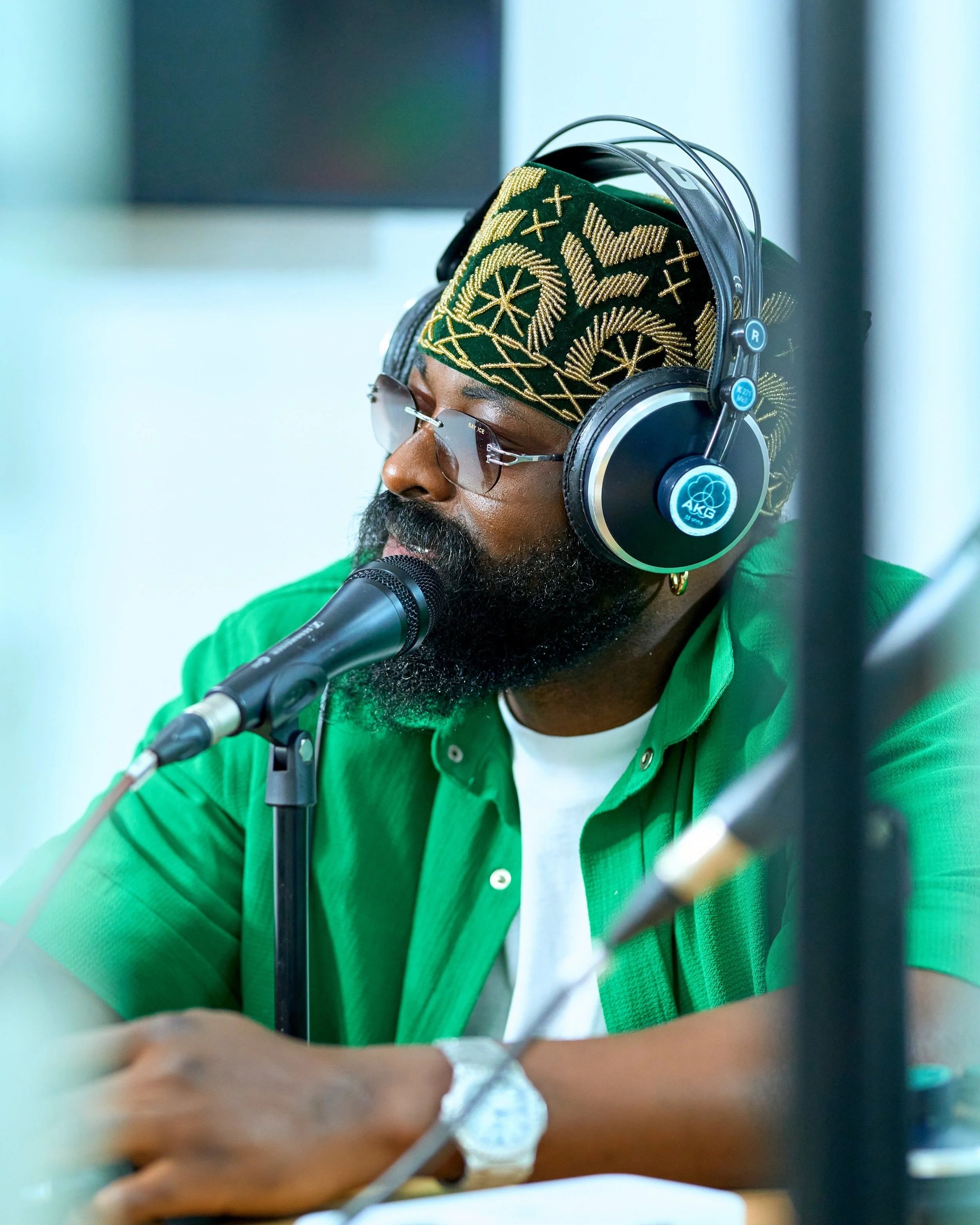
That is why I keep showing up to interviews like the one on Guide Radio. Not to defend a label, but to add context. The work is not only the shows. The work is understanding.
If we do not explain what this season actually is, others will explain it for us.
If we do not document how it was built, someone else will rewrite the origin story.
If we do not tell our story, we will eventually be priced out of it.
Rebranding may come. Names always evolve. But understanding has to come first.
Because what needs shaping is not the word, but the system that sits behind it.
That is the conversation worth having.
The deeper point behind my answer is this: this movement did not arrive because someone intervened or legitimised it. It arrived because Africans built it anyway.
Creatives turned informal gatherings into destinations.
Promoters took financial risks long before brands, sponsors, or governments paid attention.
Artists carried the sound across borders through touring, collaboration, and persistence.
Media, DJs, and tastemakers moved the culture globally before anyone thought to call it an industry.
That history matters, because it explains why this season exists at all. Africa’s solutions are often self-generated, adaptive, and resilient.
But resilience should not be mistaken for sufficiency.
Infrastructure still matters, because its absence makes everything harder than it needs to be. Safety becomes fragile. Touring becomes limited. Production becomes inconsistent. Scaling becomes uneven. Monetisation becomes extractive rather than sustainable.
The demand has already been proven. Repeatedly.
What remains is the work of building the systems that protect it.
The takeaways I want people to sit with
This season is not a fight over ownership. It is a shared platform that needs shared standards.
Culture already works. Infrastructure determines whether it grows safely and sustainably.
Narrative is an asset. If we do not own it, we lose leverage.
The future is not one month. The future is what we build from January to November.
This is why rooms matter. Investment seminars, networking sessions, and creative roundtables belong in the same calendar as concerts.
And this is also why I invited people, live on air, to pull up to the Diaspora Roundtables at Jambo Spaces. Because the next phase of this movement cannot be parties alone. It has to be planning, partnerships, skills, and infrastructure.
You can watch the full interview below
