Building Africa’s Creative Talent Pipeline: Lessons from Diaspora District Accra
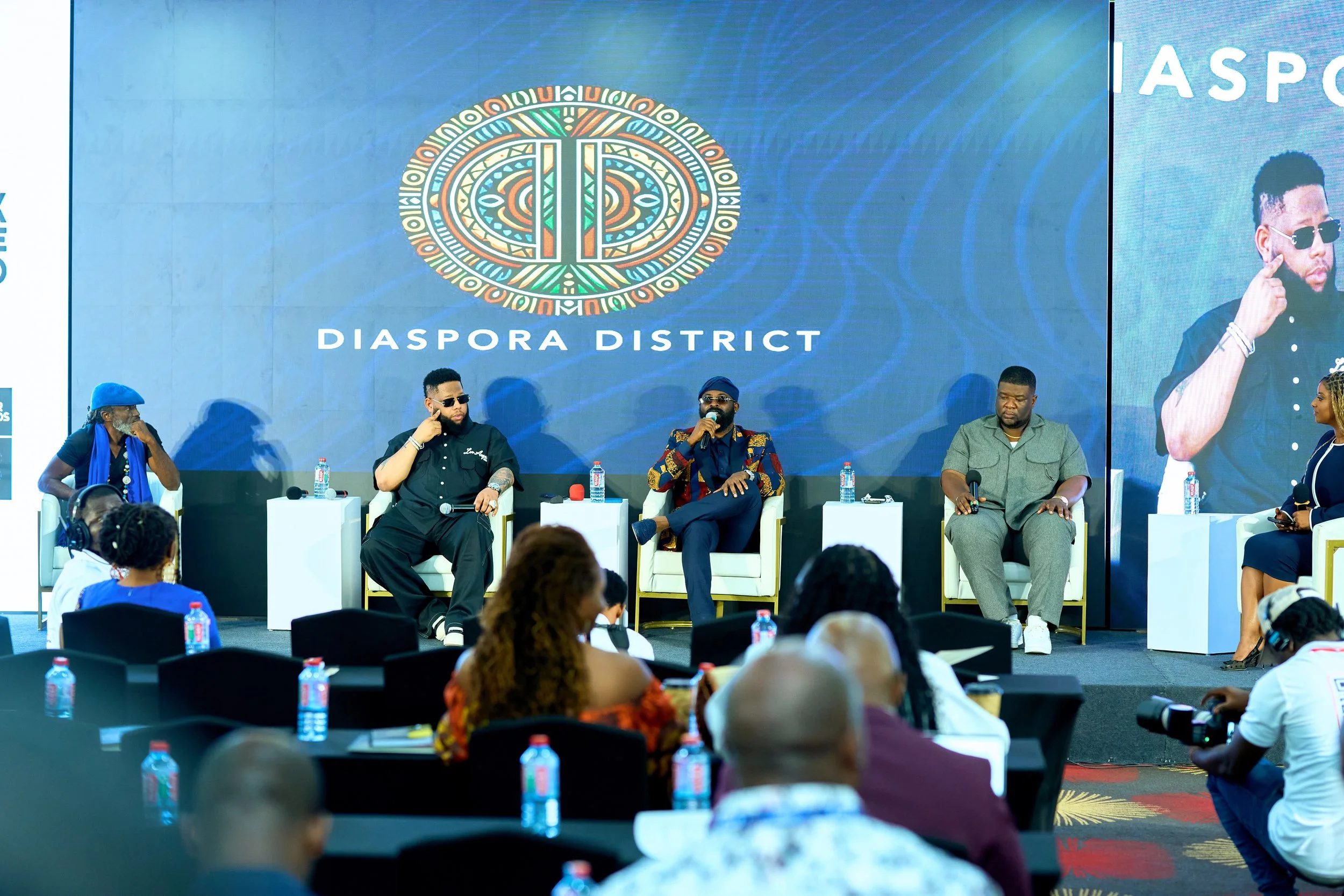
For decades, creativity was treated as a risk.
Not a career.
Not an economy.
Certainly not something schools were designed to support.
That belief shaped generations of choices. It shaped what we were encouraged to pursue, what we were warned against, and what we were told to keep on the side “just in case.”
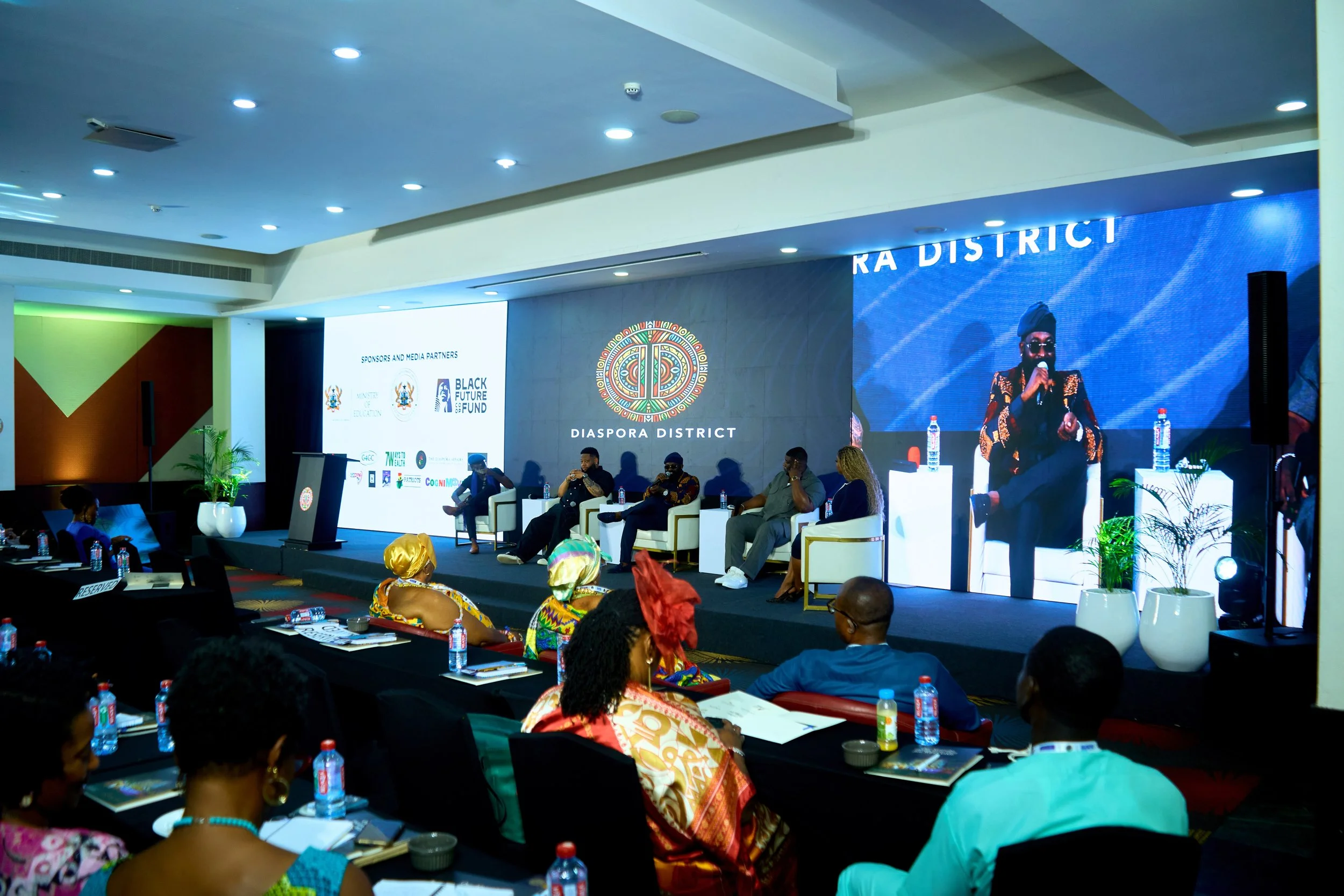
That is why Day 1 of Diaspora District in Accra, Ghana felt like a full-circle moment for me.
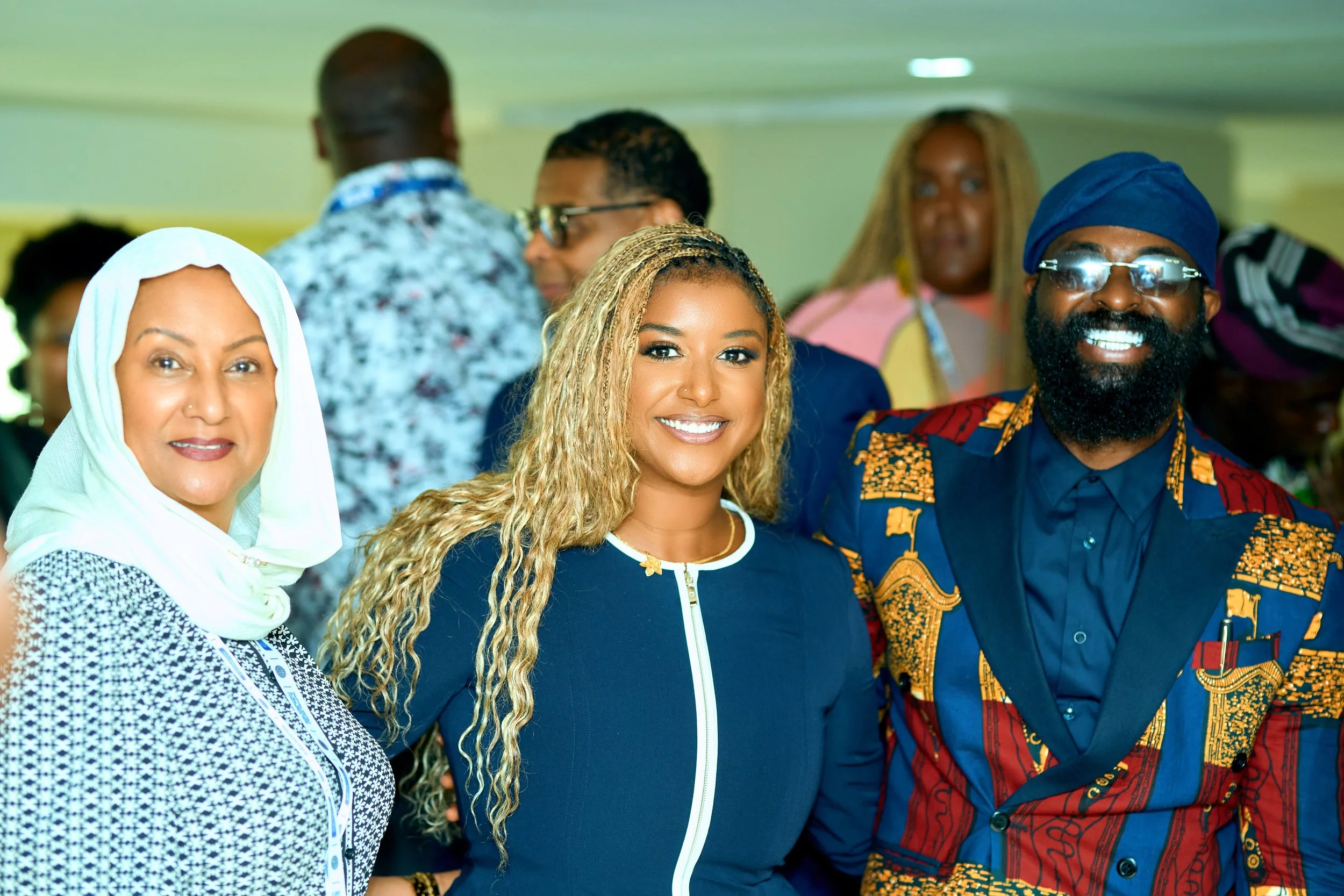
Credit is due to Manal Al-ansi for building a space brave enough to ask the real question many systems still avoid:
What if education in Africa stopped tolerating creativity, and started designing for it?
I remember a time when choosing creativity felt like choosing instability. In many of our cultures, we were told there were only three respectable ways “out.” Become a doctor. A lawyer. An engineer. Everything else was framed as a gamble, something you could explore only after you had secured a “real” future.
So I did what many of us did.
I studied.
And while studying, I was also throwing parties.
At the time, it might have looked like distraction. But in hindsight, it was education, just not the kind that came with a syllabus or a certificate. I was learning promotion, negotiation, logistics, people management, and how culture moves both people and money. I was learning how attention works. How trust is built. How communities form around shared experience.
I was building platforms before I knew that was the language for it.

Years later, I would become known as the first Doctor of Afrobeats. Not just as a title, but as a signal. A way of naming something many of us had lived without being able to articulate it clearly. That culture can be studied. Built. Taught. Passed on. That it is not accidental or abstract, but structural.
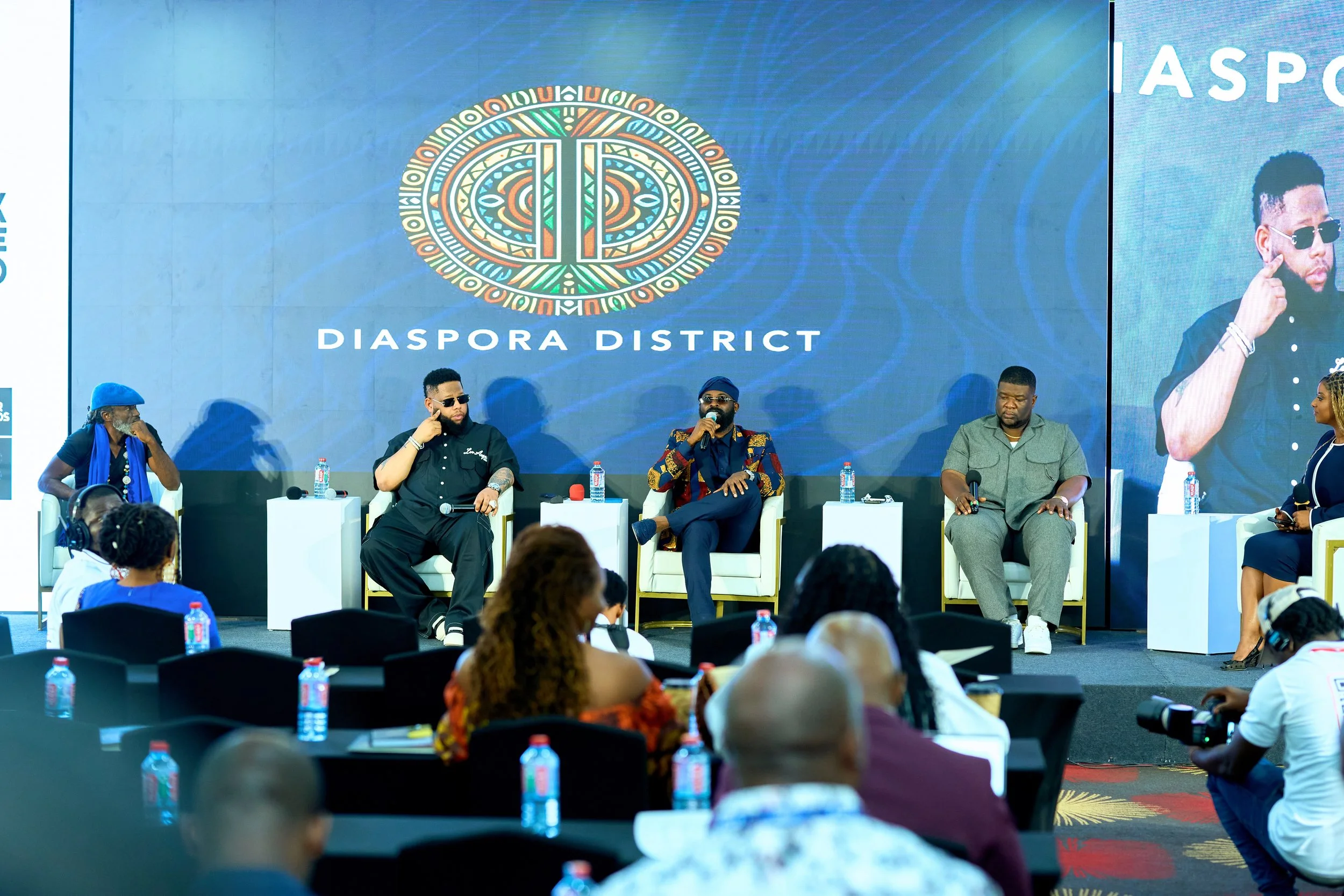
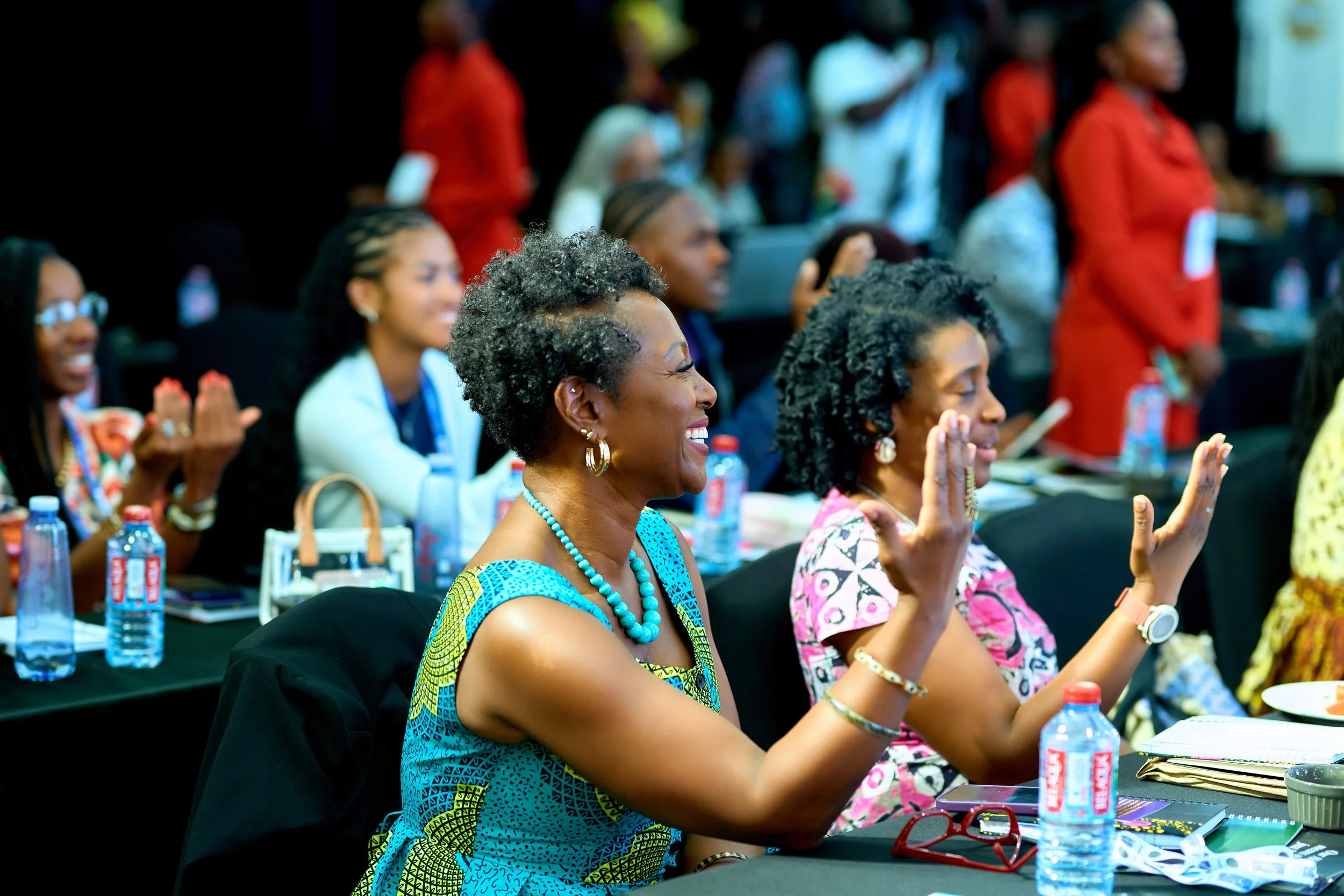
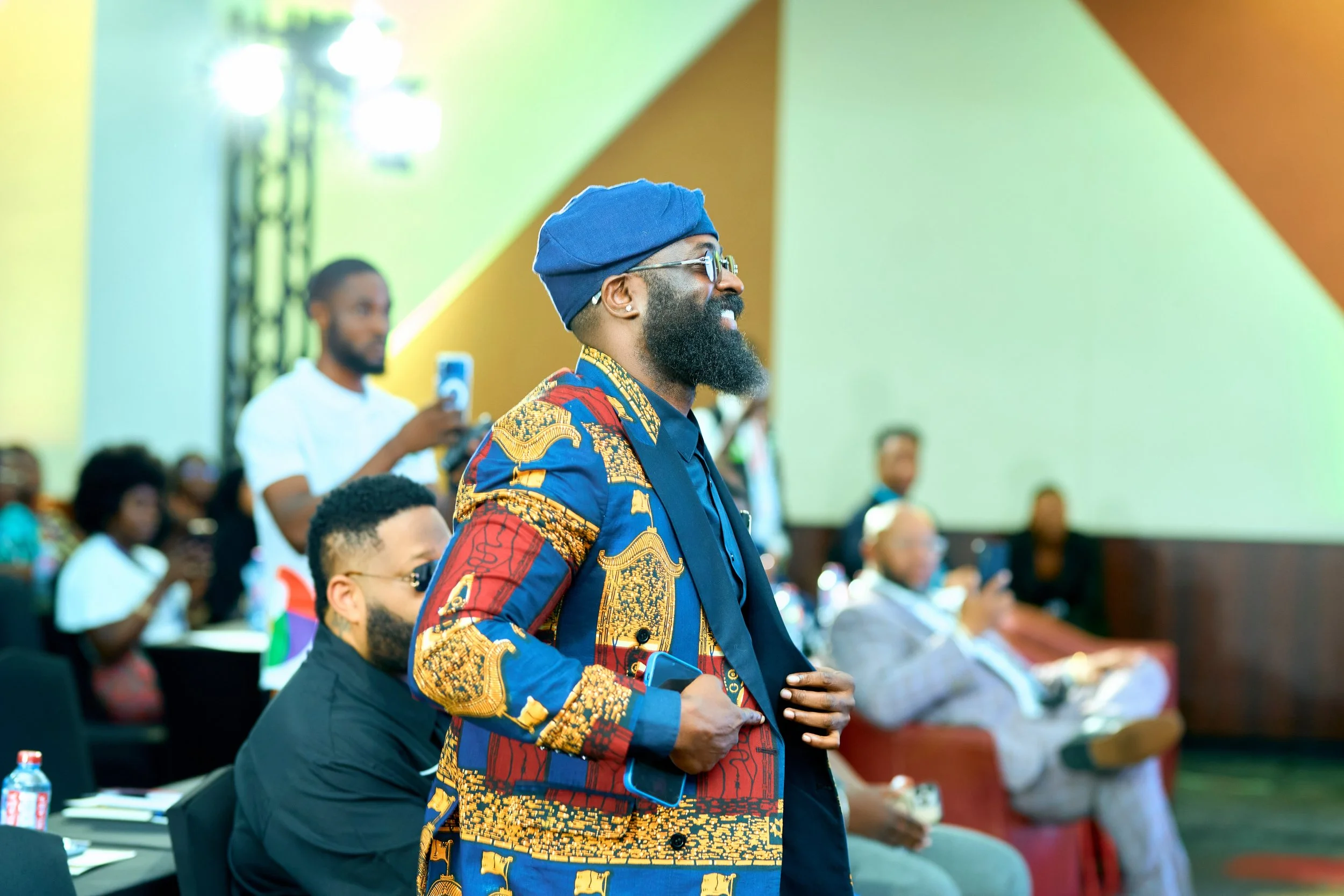
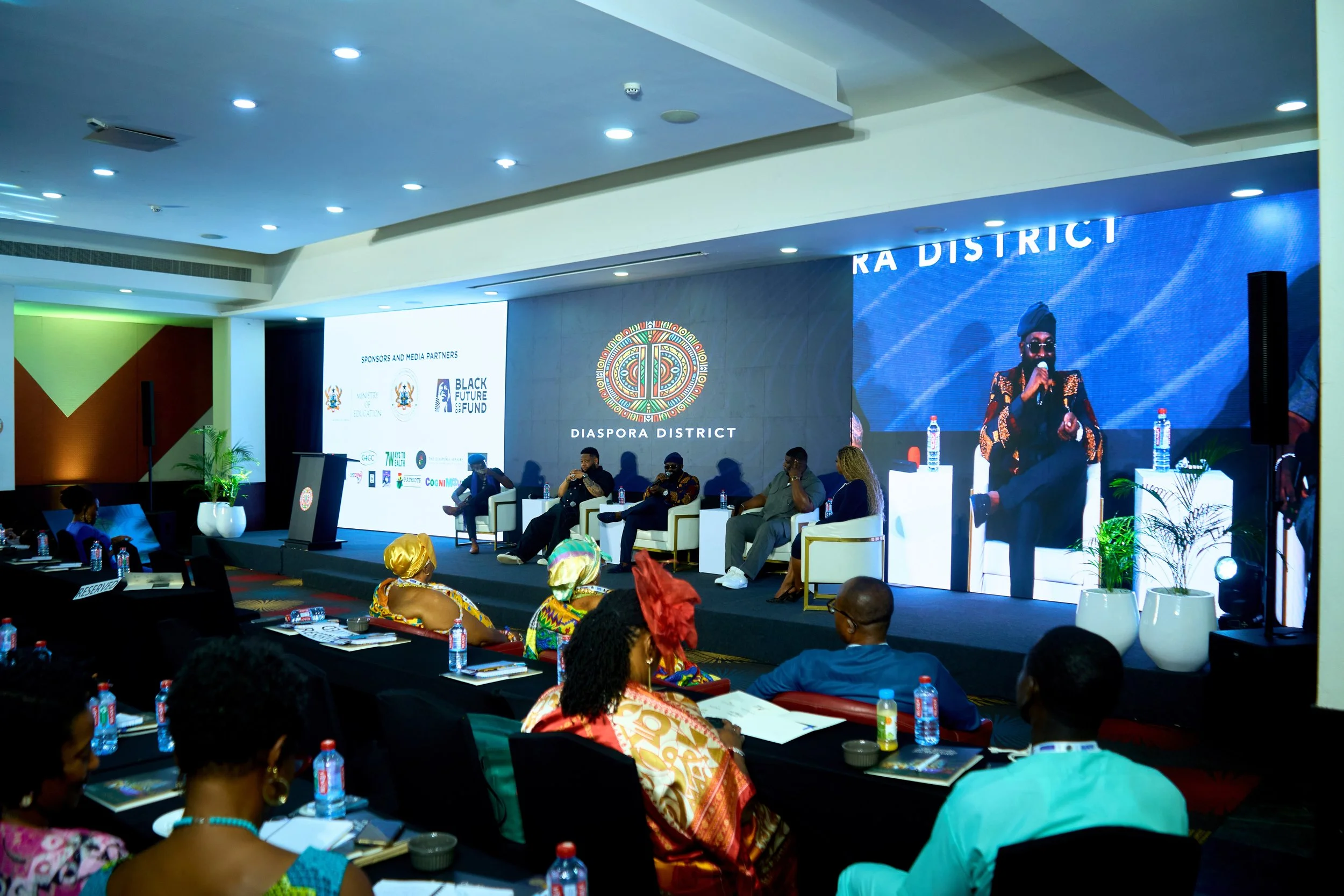
Serving on the Diaspora District Advisory Board has been an honour, but sitting in that room in Accra reminded me why this work feels urgent now. The room was filled with educators, creatives, policymakers, and young people, all grappling with the same tension between potential and structure.
The theme was Building the Talent Pipeline, and the conversation moved quickly beyond inspiration. It asked a harder, more uncomfortable question. How do we build systems in Africa that allow young creatives to stay, scale, and own, rather than leave in search of validation elsewhere?
In my address, I focused on the practical realities young creatives are rarely taught, even when their talent is obvious.
Promotion, not as hype, but as structure, consistency, and partnership.
Venue ownership, because if we do not own space, we do not control value.
Infrastructure, because talent is everywhere, but without systems, talent does not scale.
I shared lessons from the businesses I have built over the years. The failures as much as the wins. The resilience, the pivots, and the long stretches where belief had to come before proof. And I spoke honestly about why investing in mentorship, resources, and platforms for young people is not optional if we are serious about Africa’s future.
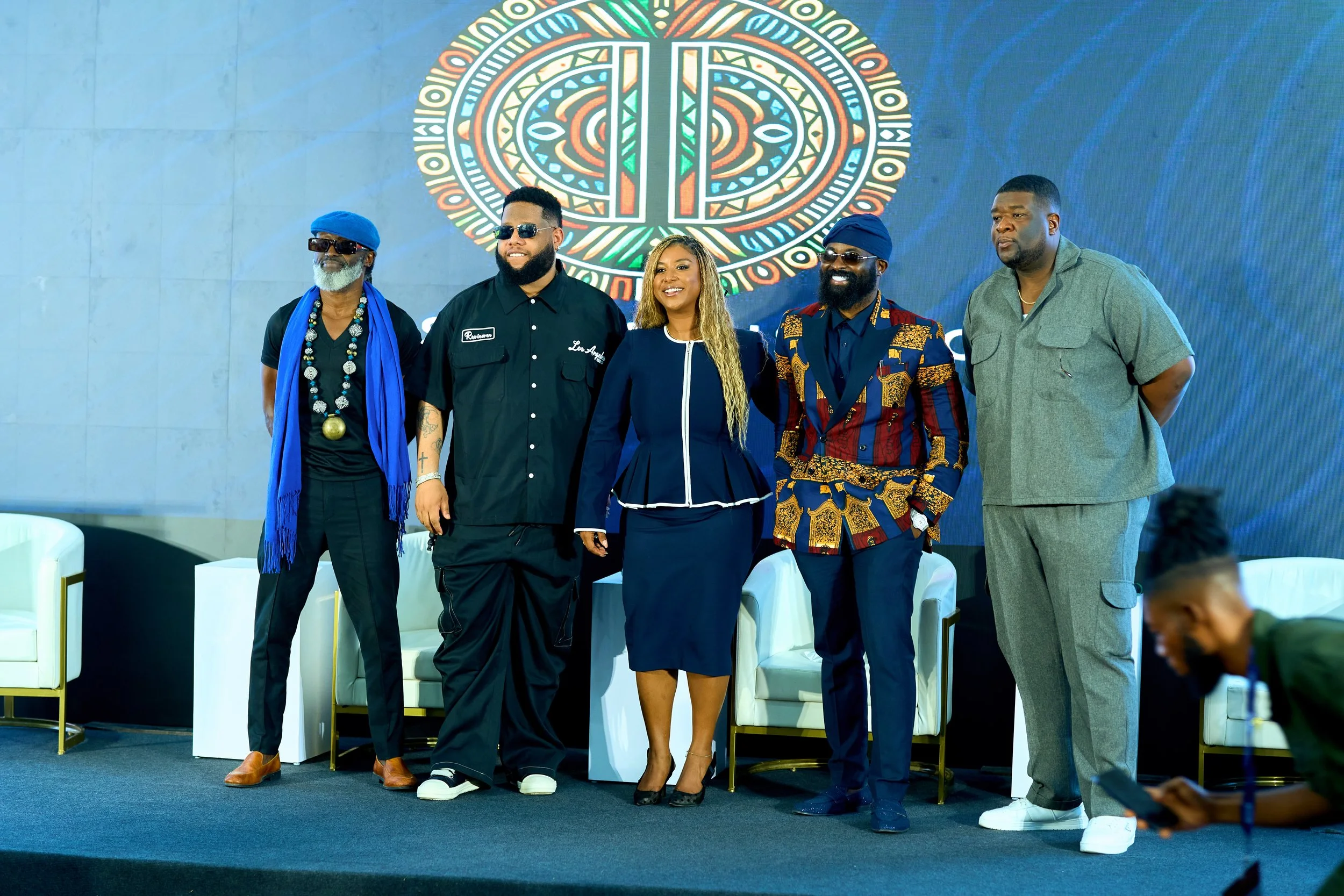
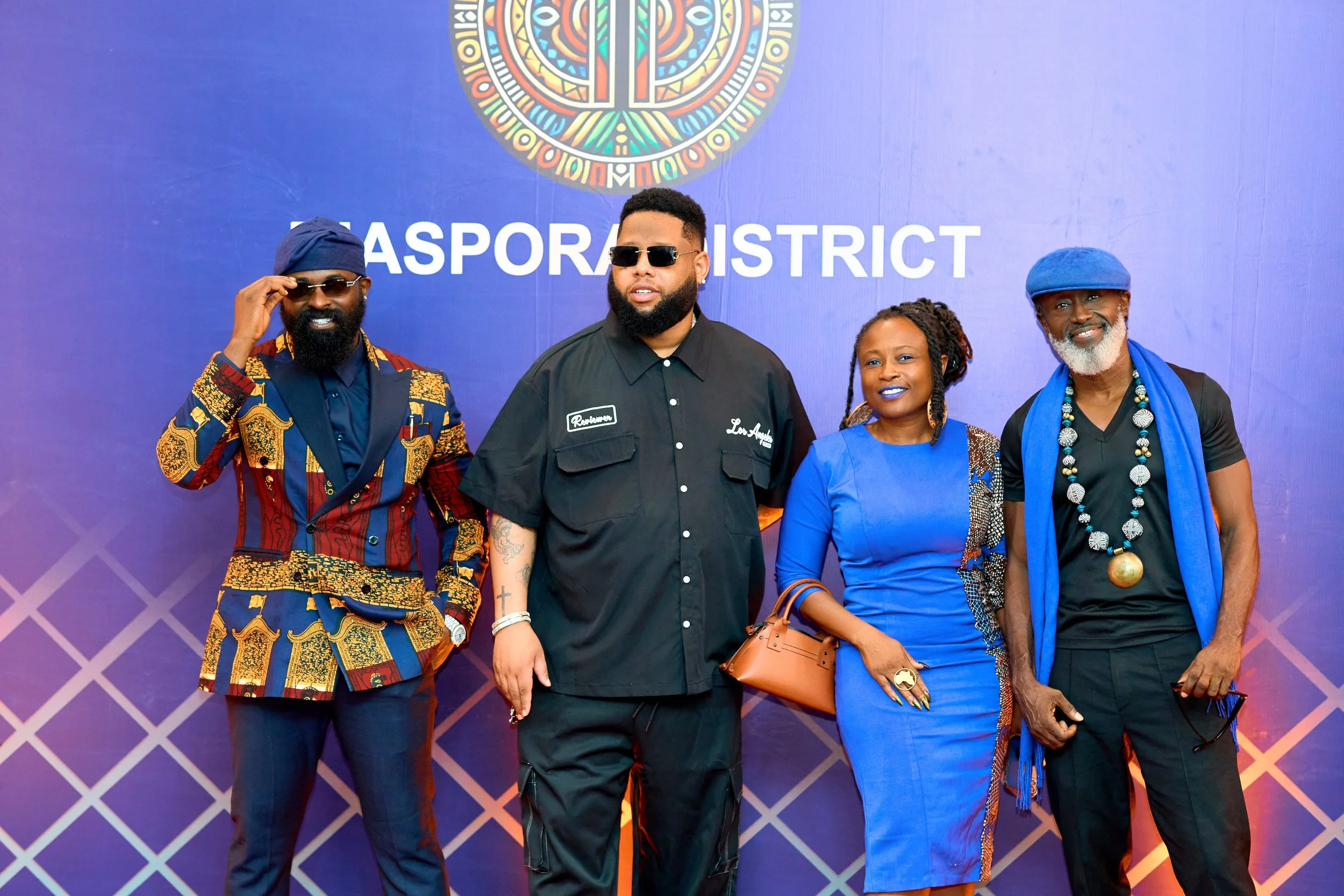
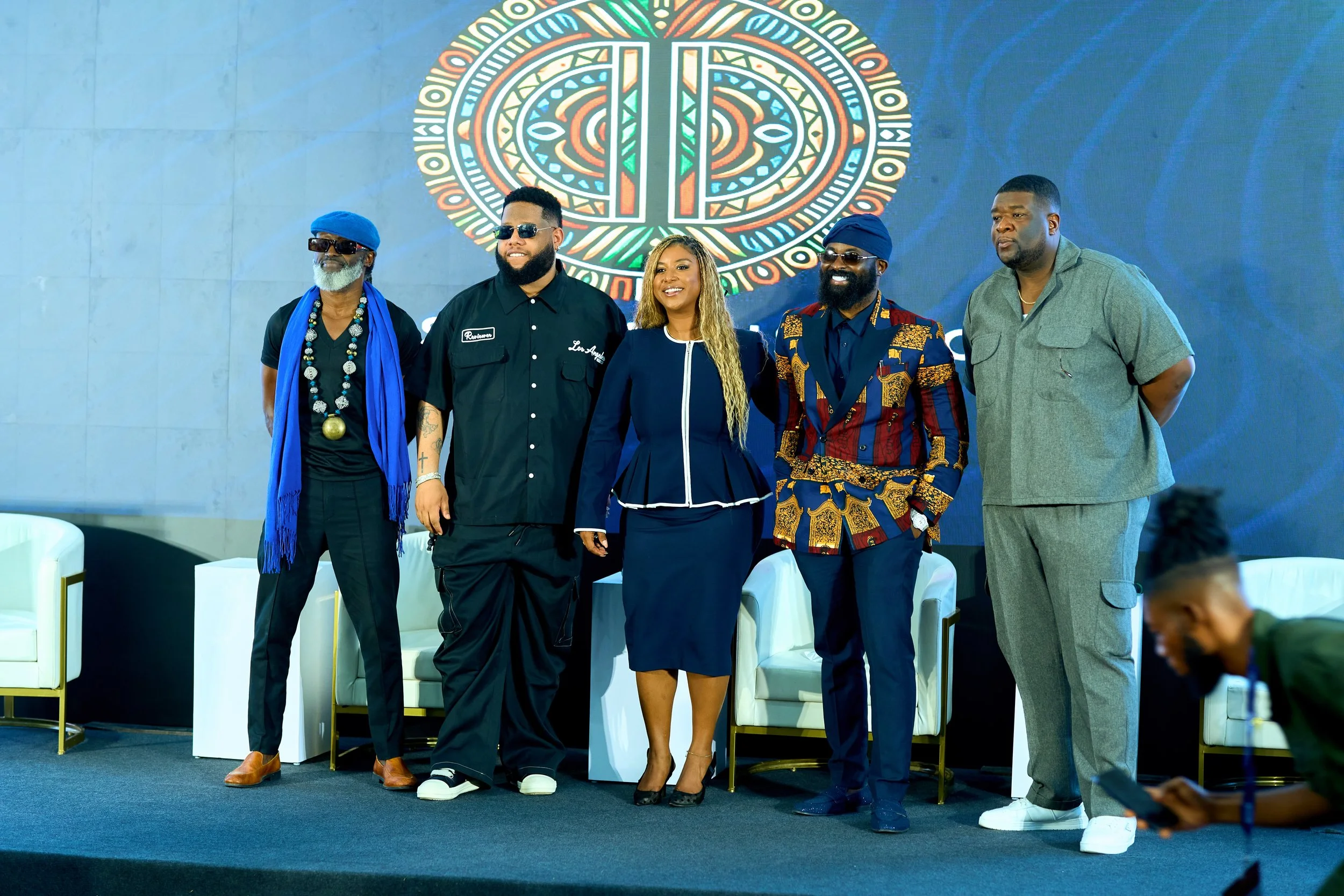
Sitting alongside cultural architects like Reggie Rockstone, Abdul Abdullah, and D-Black, one truth kept resurfacing. None of us succeeded because the system was designed for us. We succeeded because we learned to build around it, and eventually, to build our own.
One of the most confronting moments came when we were asked a deceptively simple question. If you had ten minutes with a Minister of Education, what would you change?
My answer was clear.
Creativity must stop being treated as extracurricular and start being treated as infrastructure. Especially in Africa, where young people make up the majority of the population and culture is one of our most powerful economic assets. Not symbolic value. Real value.
Which brings me to the question I keep returning to.
To Africa’s educators, parents, policymakers, and builders:
What paths are we still calling “risky” that might actually be the future?
Because the cost of not answering that question is far greater than the risk of asking it.