When Basketball Meets Culture: Inside the BAL × Visit Rwanda Business Cocktail
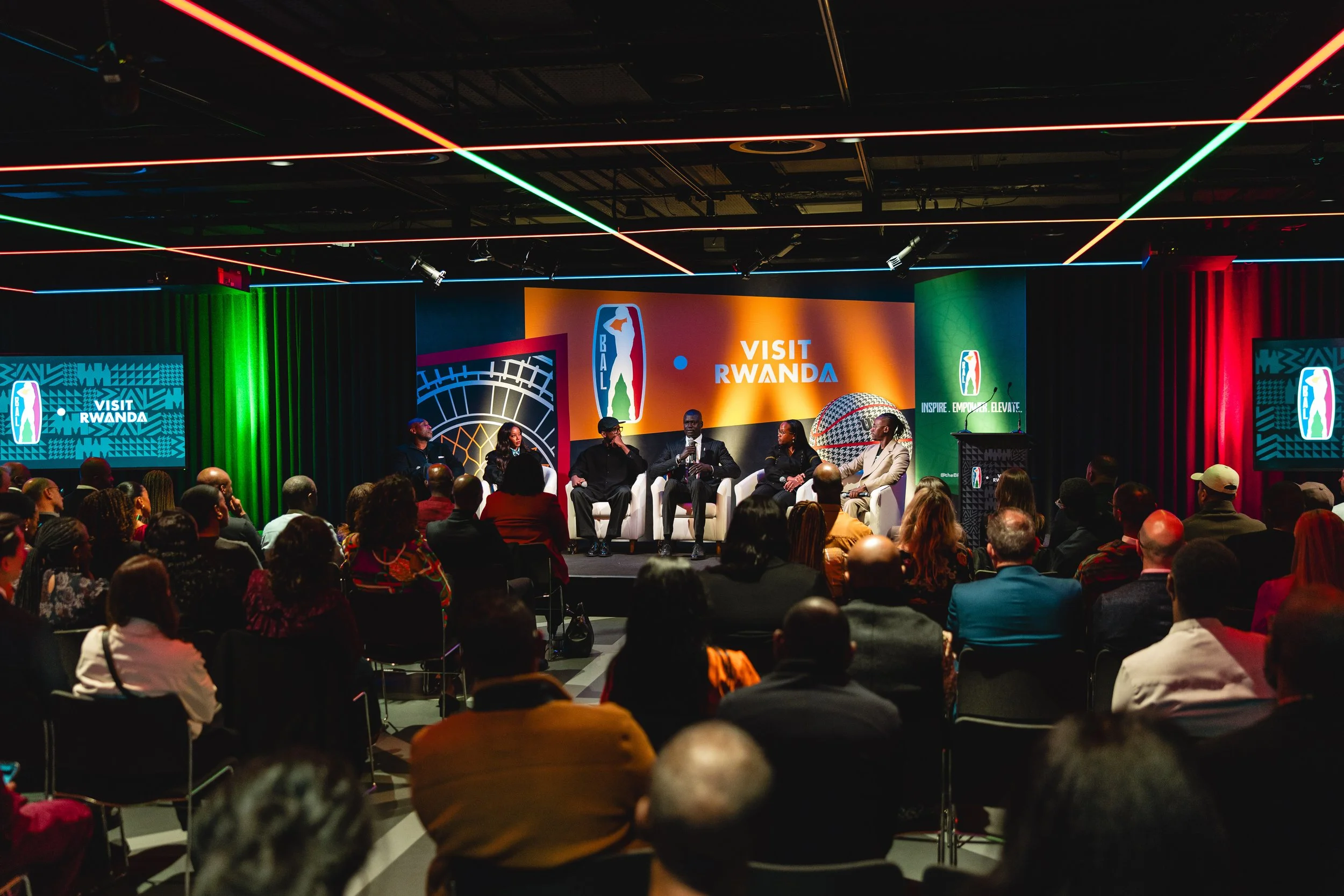
The Basketball Africa League is a 12-team professional league backed by the NBA and FIBA. More than a competition, it has become a platform for African talent, investment, and storytelling on a global stage. When I received an invitation to the BAL × Visit Rwanda Business Cocktail in London, I knew it would be worth attending.
The Room
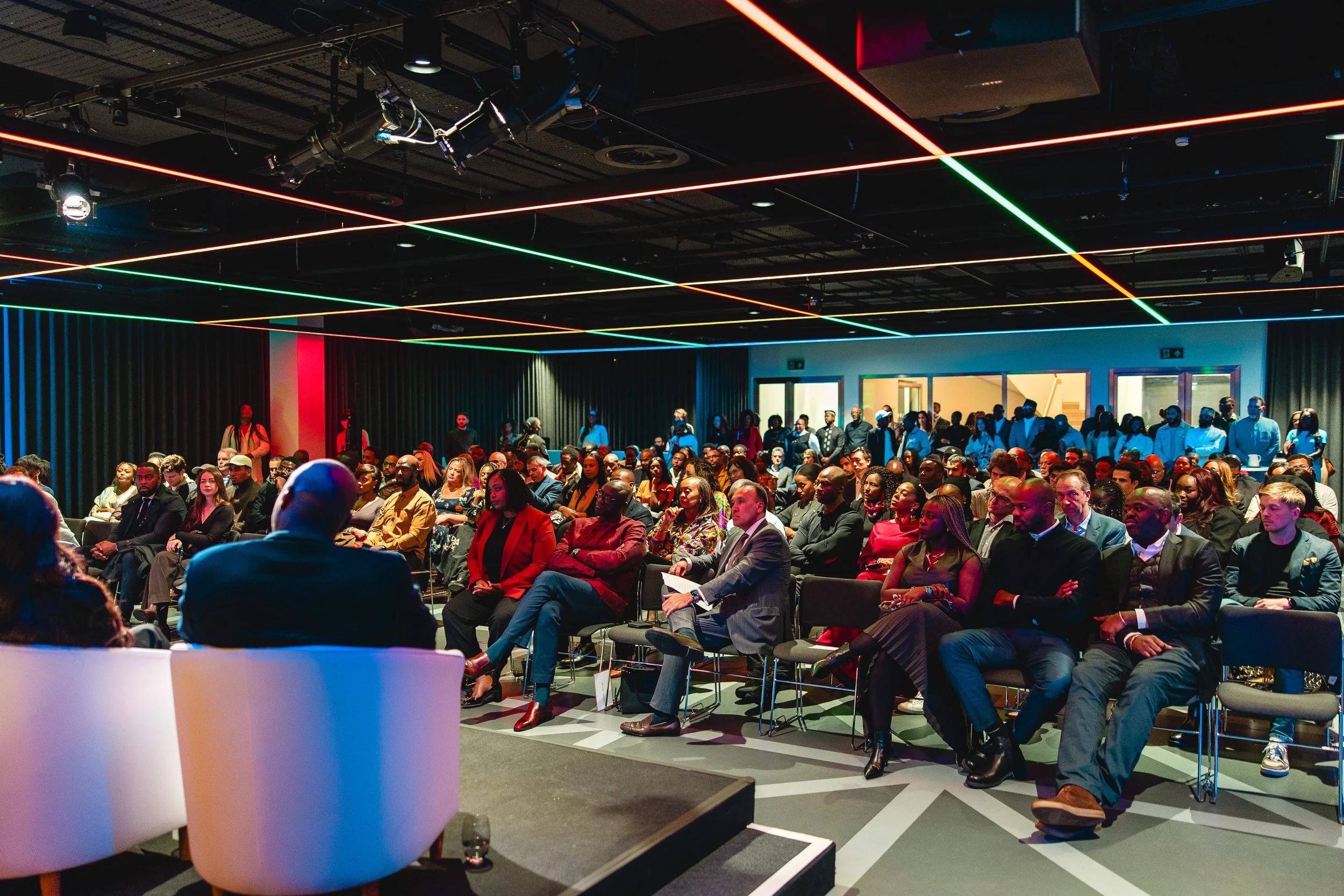
The space was full. Leaders from sports, business, culture, and diplomacy had all shown up, and the conversations reflected that mix. Juls was on the decks, his selection bridging continents without trying too hard. It set the right tone.
What struck me most was how the discussions moved past surface-level opportunity. People were talking about infrastructure, youth development, ownership, and legacy. This is the kind of dialogue Africa needs more of, especially on stages like London.
Amadou Gallo Fall
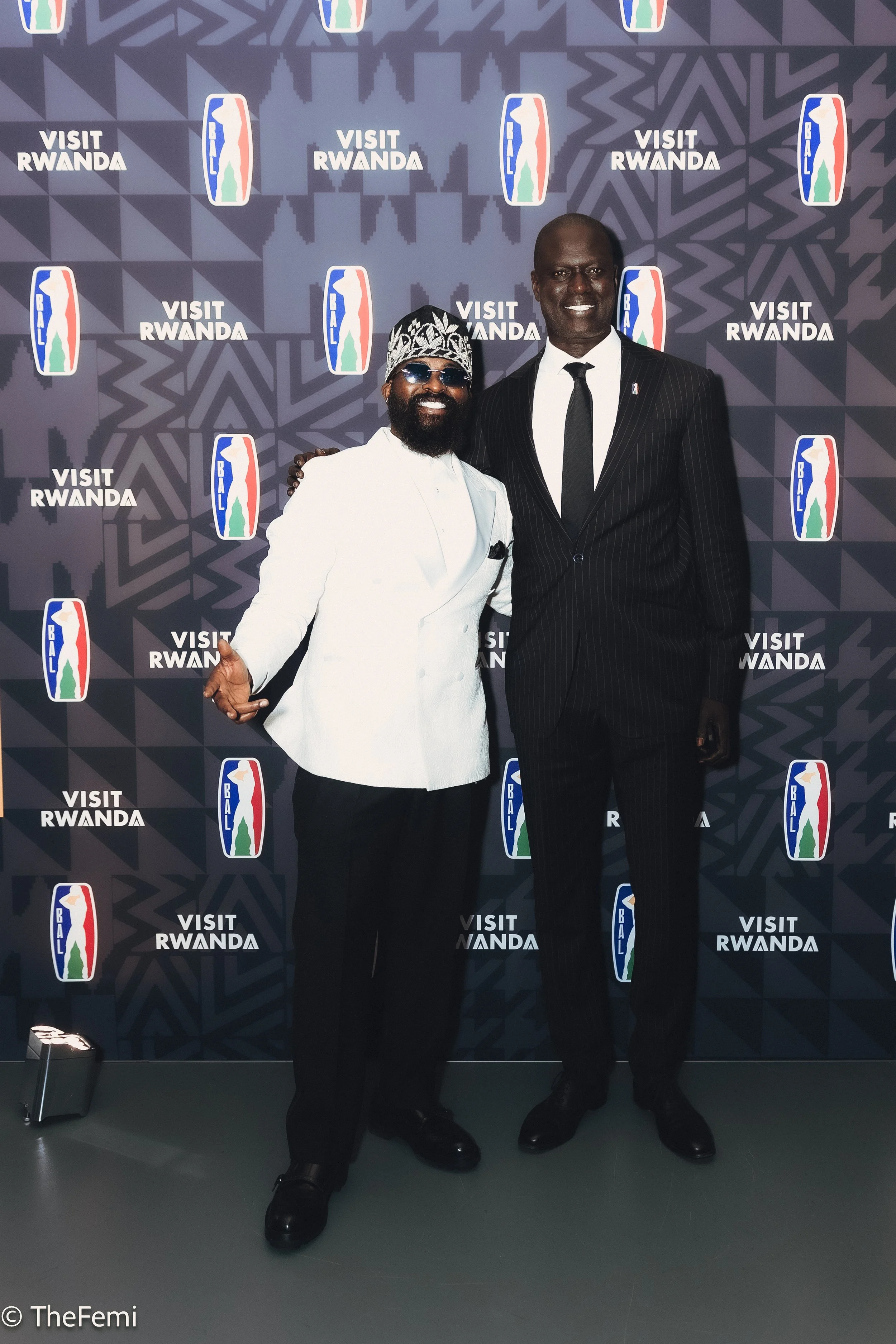
One of the highlights was reconnecting with Amadou Gallo Fall, President of the Basketball Africa League. I first met Amadou in Dakar, Senegal. I was there on business and had the opportunity to attend a BAL game. Later, I hosted him at Afronation. Those experiences deepened my understanding of what he is building.
Africa has produced NBA talent for decades, but for a long time that talent left the continent and built careers elsewhere. The BAL changes that equation. For the first time, there is a professional league on African soil, backed by the NBA and FIBA, that allows players to develop, compete, and build careers without leaving home. That matters. It keeps talent visible, keeps investment local, and creates jobs across twelve cities. It also gives young Africans something to aspire to that does not require a plane ticket.
Amadou understood this before most. His path tells a story. From his years as Vice President and Managing Director of NBA Africa to leading the BAL since 2019, he has been focused on building systems, not just running leagues. NBA Africa develops grassroots basketball, training facilities, and coaching programmes across the continent. The BAL gives that pipeline somewhere to go. Together, they form an ecosystem.
Our conversation touched on what leadership means for Africa: creating platforms that empower local talent, attract global partnerships, and ensure African stories are told authentically and owned by Africans. Sport has always been a vehicle for unity and pride, but it can also be a vehicle for economic development, infrastructure, and global positioning. Amadou sees that clearly.
For him, the BAL is about economic participation, cultural pride, and ecosystem building. Basketball is simply the vehicle.
Mr Eazi
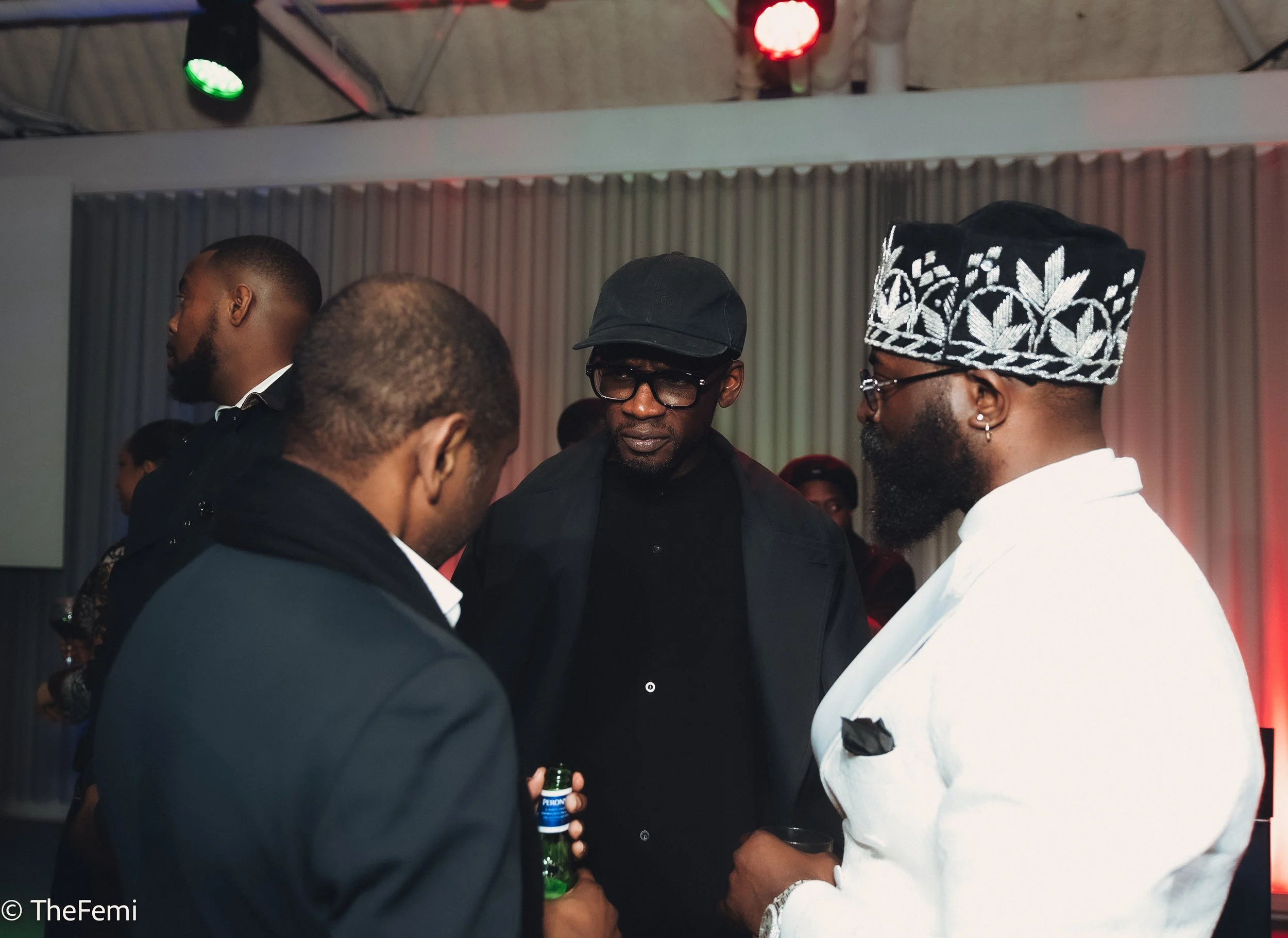
I have known Mr Eazi since the very beginning. I remember his first show at Oasis, a hall in Barking, East London. I was there for private gigs like 99 with Eazi in Shoreditch. I co-promoted his Roundhouse show. In 2018, SMADE, Live Nation, and Echo promoted Afrorepublik at The O2, the first major Afrobeats show at that venue, headlined by Wizkid with Mr Eazi as co-headliner. Then came Afronation. Over the years, we have shared many conversations about where he wanted to go and what he wanted to build.
To see him now, standing in a room like this, is genuinely fulfilling.
He has become the man he always had the potential to be. Music was never the end goal for him; it was the starting point. Through EMPAWA and Choplife Limited, he has shown what is possible when an artist thinks like a builder. I am proud to have watched that evolution up close.
We celebrate Jay-Z for turning music into empire. Africa needs its own versions of that story. Mr Eazi is writing one. So is Krept, building beyond the stage into business and ownership. Through SMADE Entertainment Group, I have walked a similar path, using entertainment as a foundation for something larger. It is not easy, and it is rarely understood until people see the results.
These journeys matter because they offer a different picture of what success can look like. Not just the artist on stage, but the architect behind the scenes. Culture is leverage. The real question is whether we use it to build something lasting or watch others build around us.
Seeing Mr Eazi in that room reminded me why this work is worth doing.
The Panel
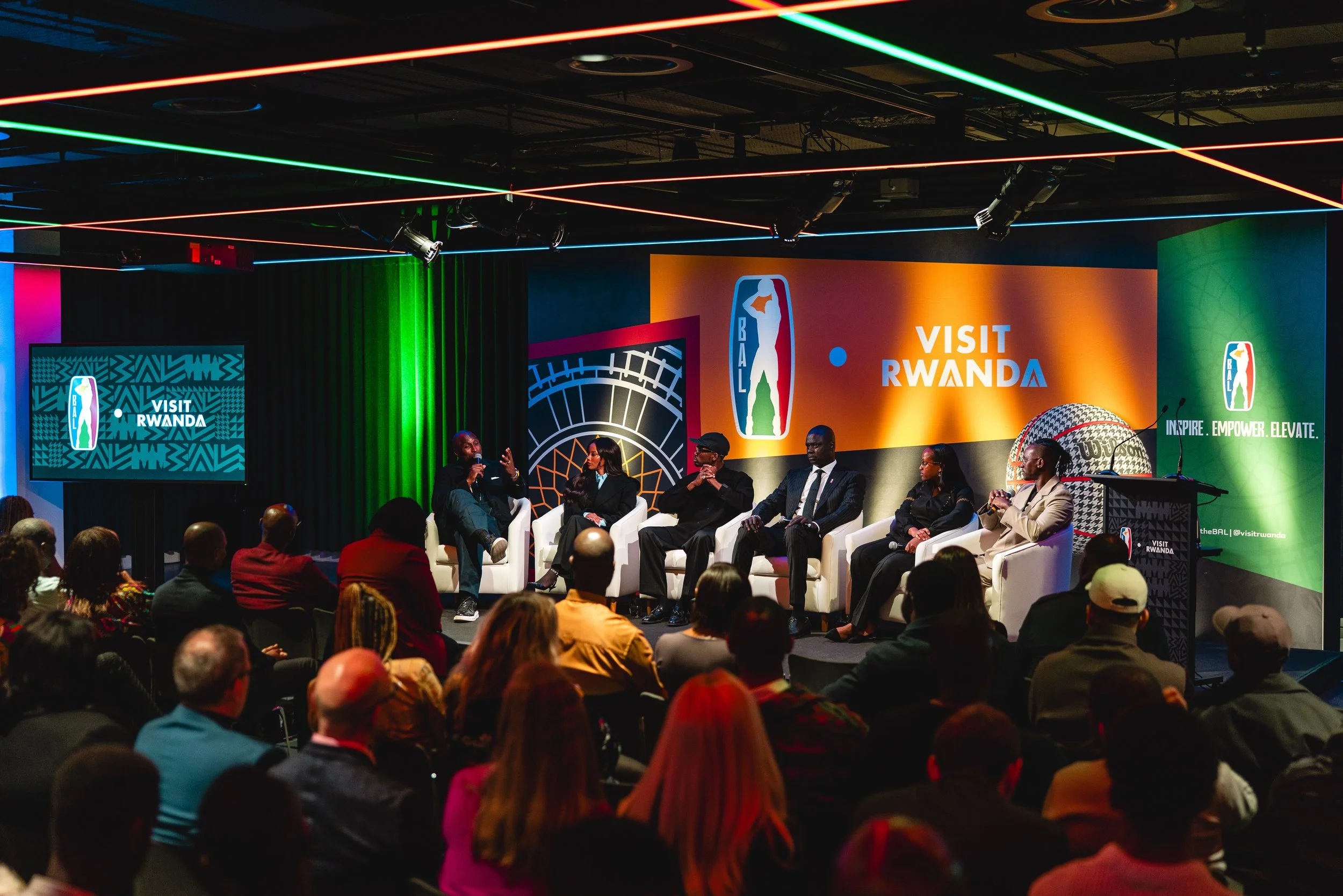
The evening featured a strong panel:
Mark Tatum, Deputy Commissioner & COO, NBA
Clare Akamazi, CEO, NBA Africa
Amadou Gallo Fall, President, BAL
Mr Eazi, Artist and Entrepreneur
Sol Campbell
Johnston Busingye, High Commissioner of Rwanda to the UK
Janet Karemera, CEO, Rwanda Convention Bureau
Fanny Bourdette-Danon, Global Communications and Brand Strategy Executive
What came through was a shared sense of momentum. People were not speaking about Africa’s potential in the future tense. They were speaking about what is already happening.
Rwanda
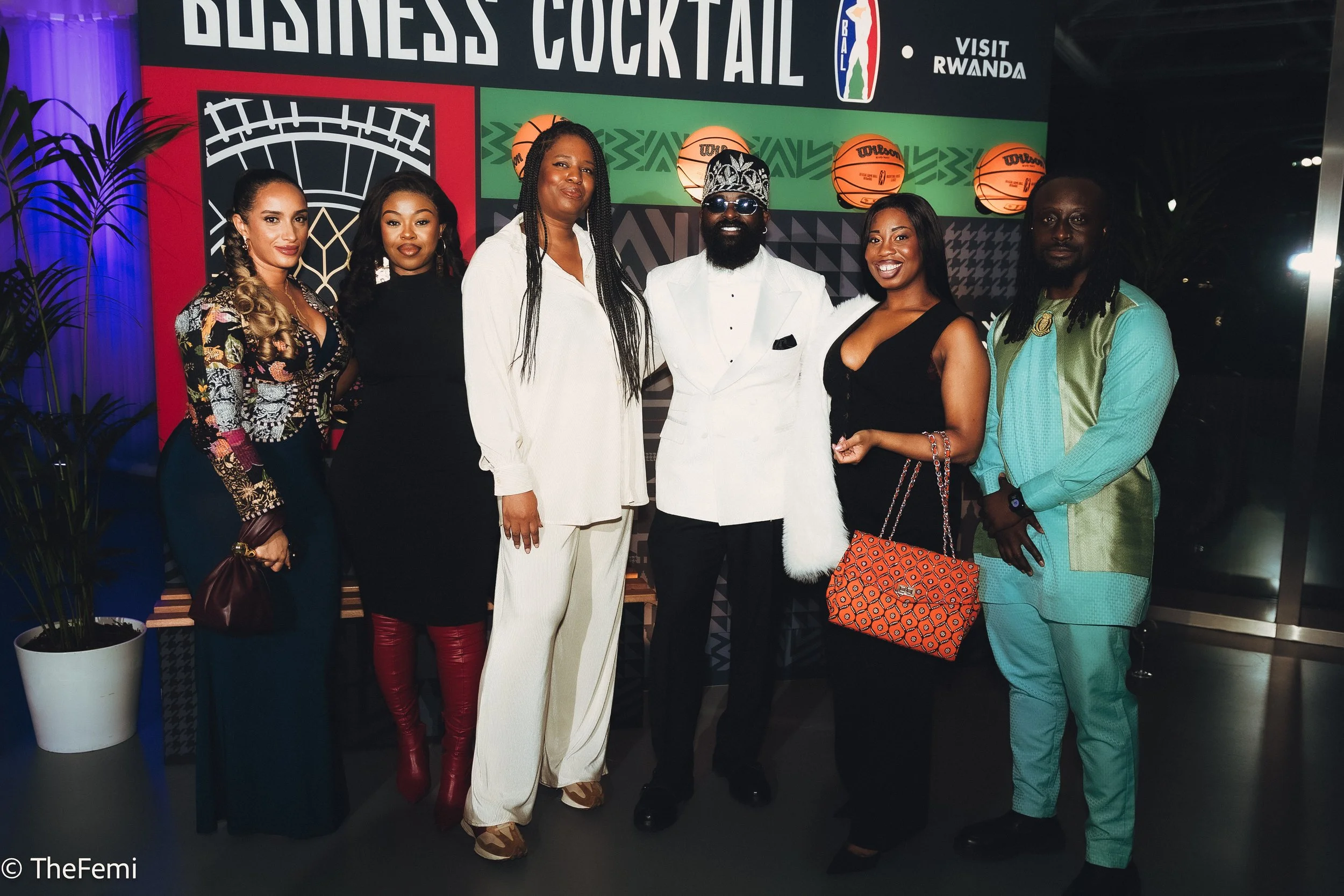
The Visit Rwanda partnership with the BAL stands out. I visited Rwanda last year and saw firsthand how the country is positioning itself through sport and culture. Its investments in platforms like the BAL, Arsenal, and Paris Saint-Germain are not random sponsorships. They are strategic moves designed to shift global perception, attract tourism, and open doors for long-term investment.
What Rwanda understands, and what other African nations could learn from, is the power of consistent, intentional storytelling. They are not waiting for the world to discover them. They are placing themselves in rooms and on stages where decisions are made and partnerships are formed. Every jersey, every event, and every collaboration is part of a larger narrative about what Rwanda is and where it is heading.
There is also something deeper here about pan-African infrastructure building. Rwanda is showing that soft power matters. When a country invests in culture and sport, it is not just about visibility. It is about building trust, credibility, and relationships that translate into economic opportunity. Other African nations have the assets, the stories, and the talent to do the same. What is often missing is coordination and long-term thinking.
Evenings like the BAL × Visit Rwanda Business Cocktail make that strategy tangible. You can see the intention in how the room was curated, who was invited, and what conversations were encouraged. It is a blueprint worth studying.
After the Event
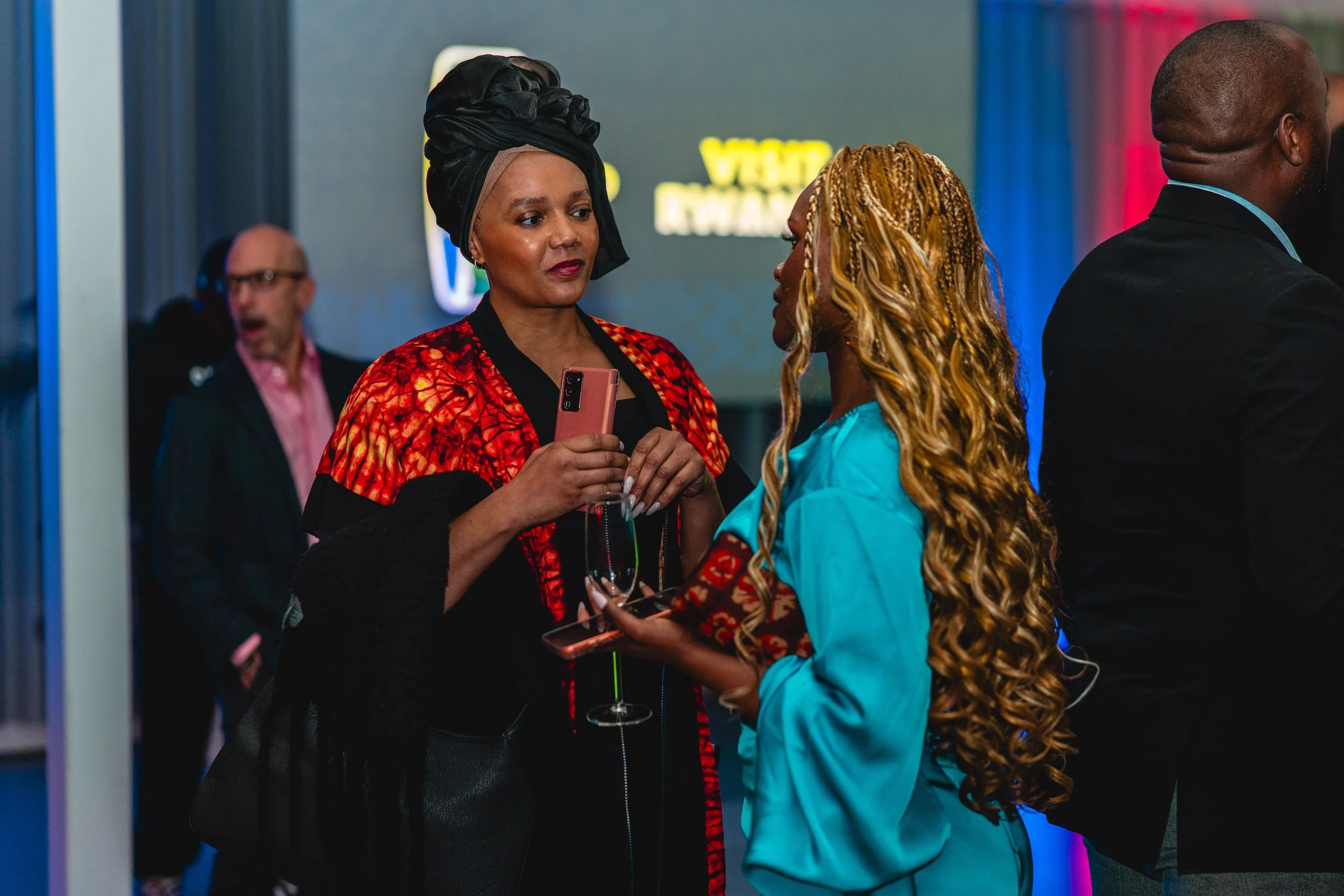
What stayed with me was the sense of community in the room. People were not just exchanging business cards; they were exchanging ideas and perspectives.
It also reminded me how closely sport and entertainment are converging across Africa and the diaspora. AFCON brings the continent together like nothing else, with millions watching, communities united, and pride on full display. Afronation United and The Unity Cup have shown how music and football can share the same stage, bringing artists, athletes, and fans together in celebration of African culture. The BAL and NBA Africa are doing the same through basketball, building infrastructure, developing talent, and creating economic opportunity on African soil.
These are not separate movements. They are part of the same story. Sport and entertainment have always been Africa’s most powerful cultural exports. The difference now is that Africans are starting to own the platforms, shape the narratives, and keep the value on the continent.
At SMADE, we believe in culture as a connector. Events like the BAL × Visit Rwanda Business Cocktail remind me why we do the work we do. Africa’s story, told through sport, music, and business, belongs on the global stage.
The future is collaborative. And we are building it together.
Dr. King SMADE
Journal Entry
London, UK, December
