I Cleaned the Same Stadiums I Would One Day Fill.
My Reflection on Martell’s Swift Conversations (EP4)
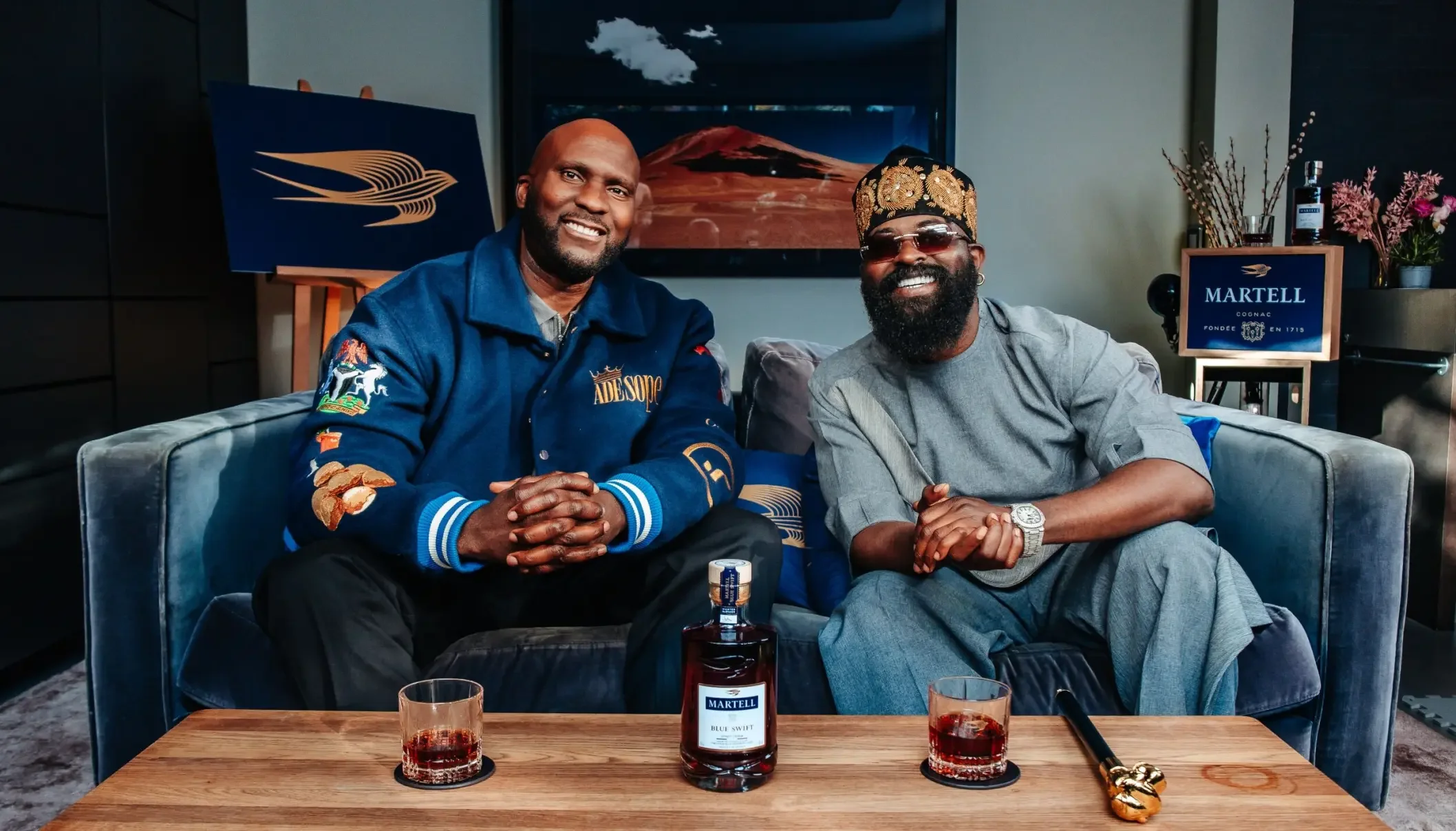
When I sat down with Adesope Olajide for Swift Conversations, it felt natural. Familiar. Like a conversation we’ve been having for years, just in a different setting.
Our relationship goes back long before titles, brand partnerships, or platforms like this existed. Not industry years, real ones. Back to a time when nothing was guaranteed. When building meant unglamorous work, long nights, and belief without reassurance. Adesope didn’t just observe the culture from a distance. He was in it. Carrying cameras, telling stories, showing up early, staying consistent when Afrobeats had no infrastructure and no global validation.
Being interviewed by someone who was there changes the energy. There’s no need to explain the struggle or romanticise the grind. We’ve watched this thing grow side by side. From house parties to club nights. From club nights to tours. From tours to concerts. From concerts to festivals.
Now he sits as a Cultural Ambassador for Martell, and I carry the title of Dr. King SMADE. But what mattered in that moment wasn’t where we are now. It was the shared memory of how we got here.
That’s what I wanted this journal entry to hold. A record of what that conversation meant to me, and what I hope it offers to anyone building something before the applause arrives.
I was chasing a future.
People have called me a promoter, a concert organiser, a festival guy. I understand why. That’s how the world names what it can see.
But my truth has always been bigger than any one title.
I wasn’t building events just to throw parties.
I was building proof.
Proof that our music could stand anywhere in the world without apology.
Proof that African culture is not a trend, it’s a force.
Proof that if we created the platform, the world would eventually meet us there.
Co-founding Afro Nation is part of that story, but it didn’t begin on a big stage. It started in late nights and small rooms. In risk and faith. In showing up when the odds were unclear and the rewards were distant.
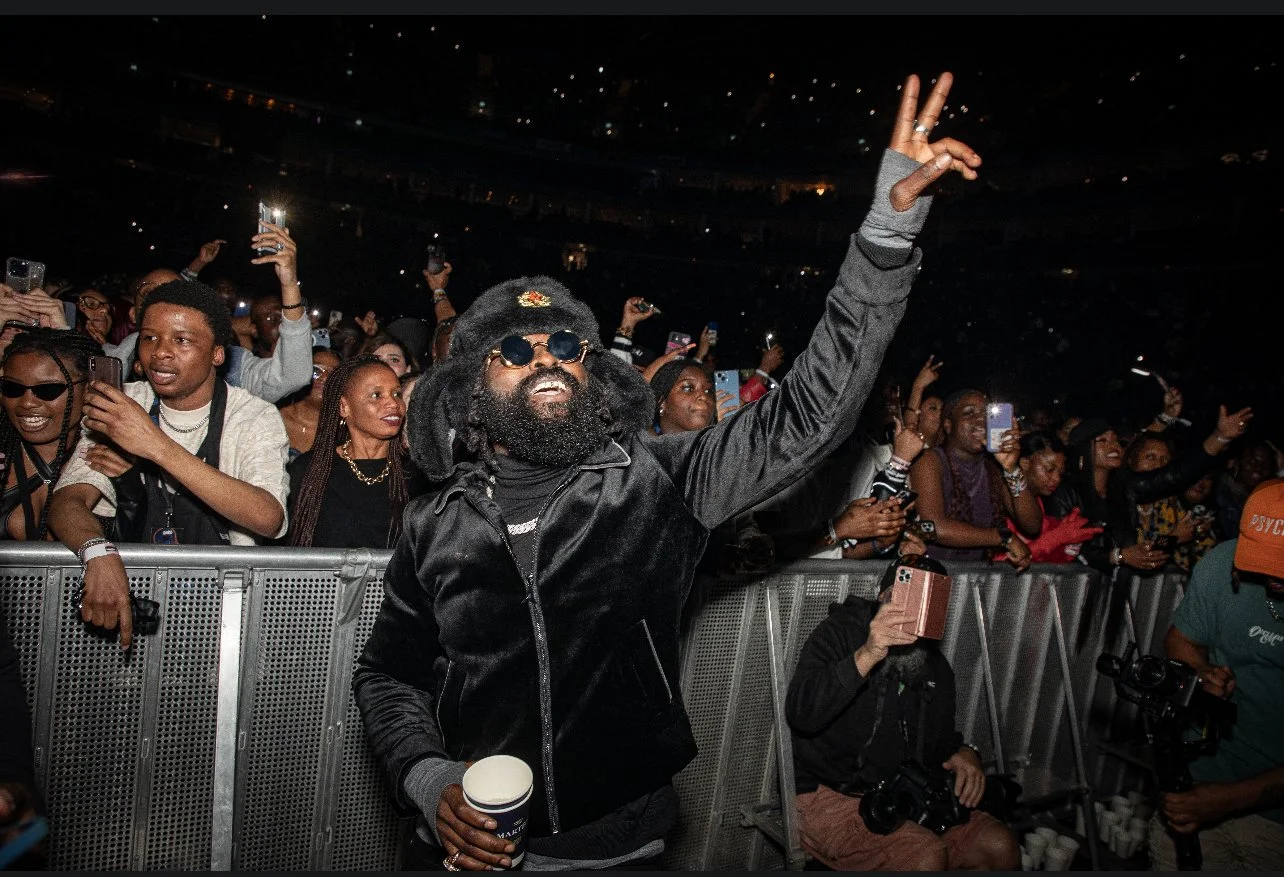
There was a time I was undocumented, surviving in a system that didn’t know what to do with someone like me. No security. No safety net. Just instinct, belief, and an unshakeable sense that there was something more ahead, even if I couldn’t fully explain it yet.
I did jobs people don’t talk about when they tell success stories. I cleaned stadiums. I worked retail. I took whatever shifts kept me moving forward. And still, I found a way to reinvest into the culture at a time when Afrobeats wasn’t safe, fashionable, or guaranteed to return anything.
I cleaned the same stadiums I would one day fill. That stays with me. It reminds me that circumstances are not permanent, but vision has to be.
Looking back, I know how it must have looked from the outside. Delusional. Risky. Irrational.
But that delusion was vision. It was choosing to see a future before the evidence existed.
That season taught me something I’ll never forget: when you truly believe in the vision, you don’t wait for permission. You move as if the door is already open. And eventually, the world catches up.
The early days weren’t glamorous. They were spiritual.
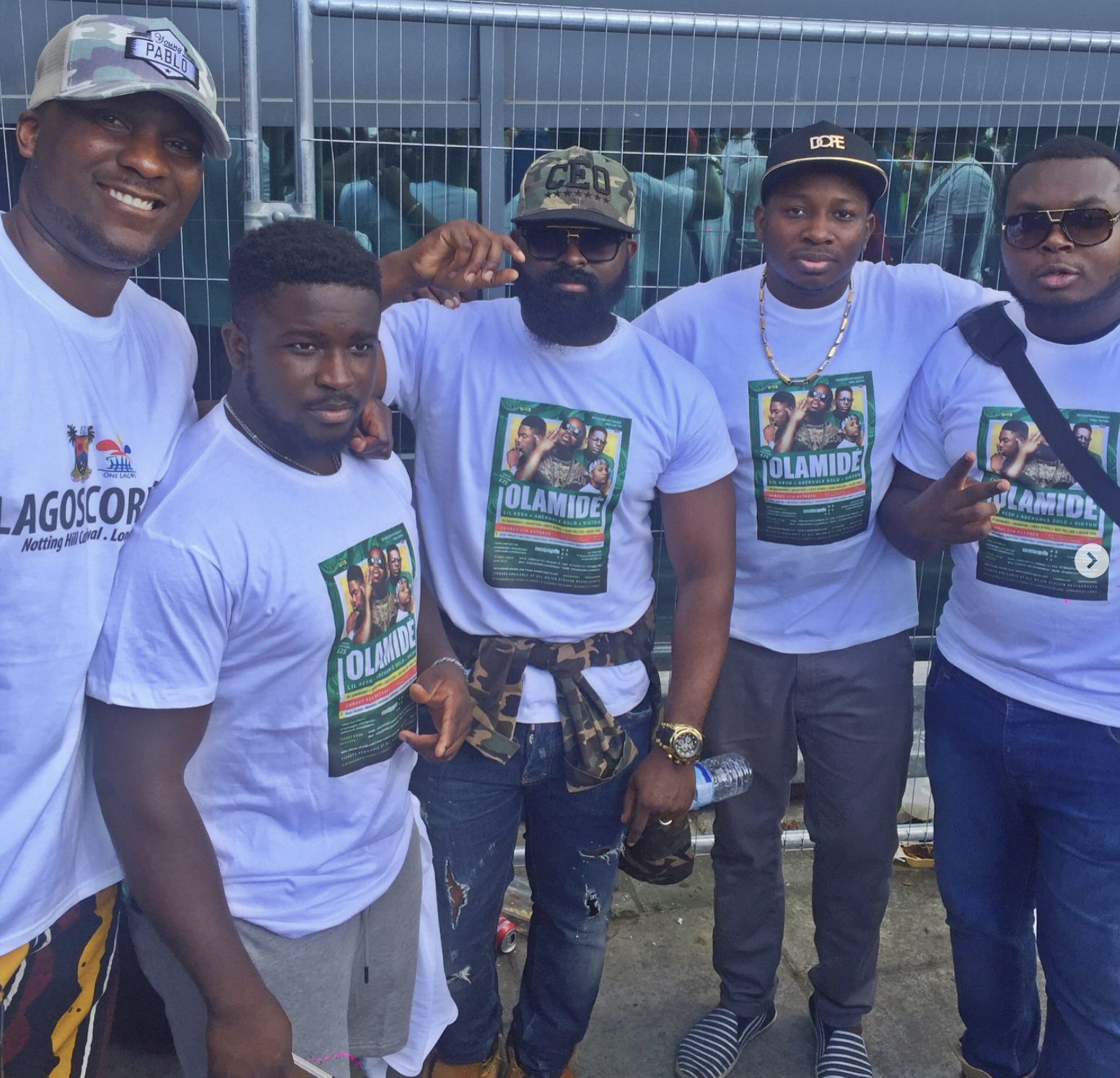
One of the strongest feelings that came back to me during the conversation was how spiritual this whole journey has been.
Not in a cliché way. In a real way.
There were times we announced shows and it looked like nobody cared. Tickets wouldn’t move until the last minute. Sometimes the same people who loved the music in private wouldn’t publicly support it. Sometimes our own people doubted the vision the loudest.
But I kept going.
Because deep down, I knew this wasn’t about one show. It was about shifting the story.
Today, we live in a time where shows can sell out weeks ahead. That’s not just growth, that’s belief finally catching up. That’s community confidence. That’s momentum.
And it reminds me: if you survive the season where nobody believes, you get to witness the season where everybody wants to claim they were there from the start.
The culture can’t grow with envy in its bloodstream
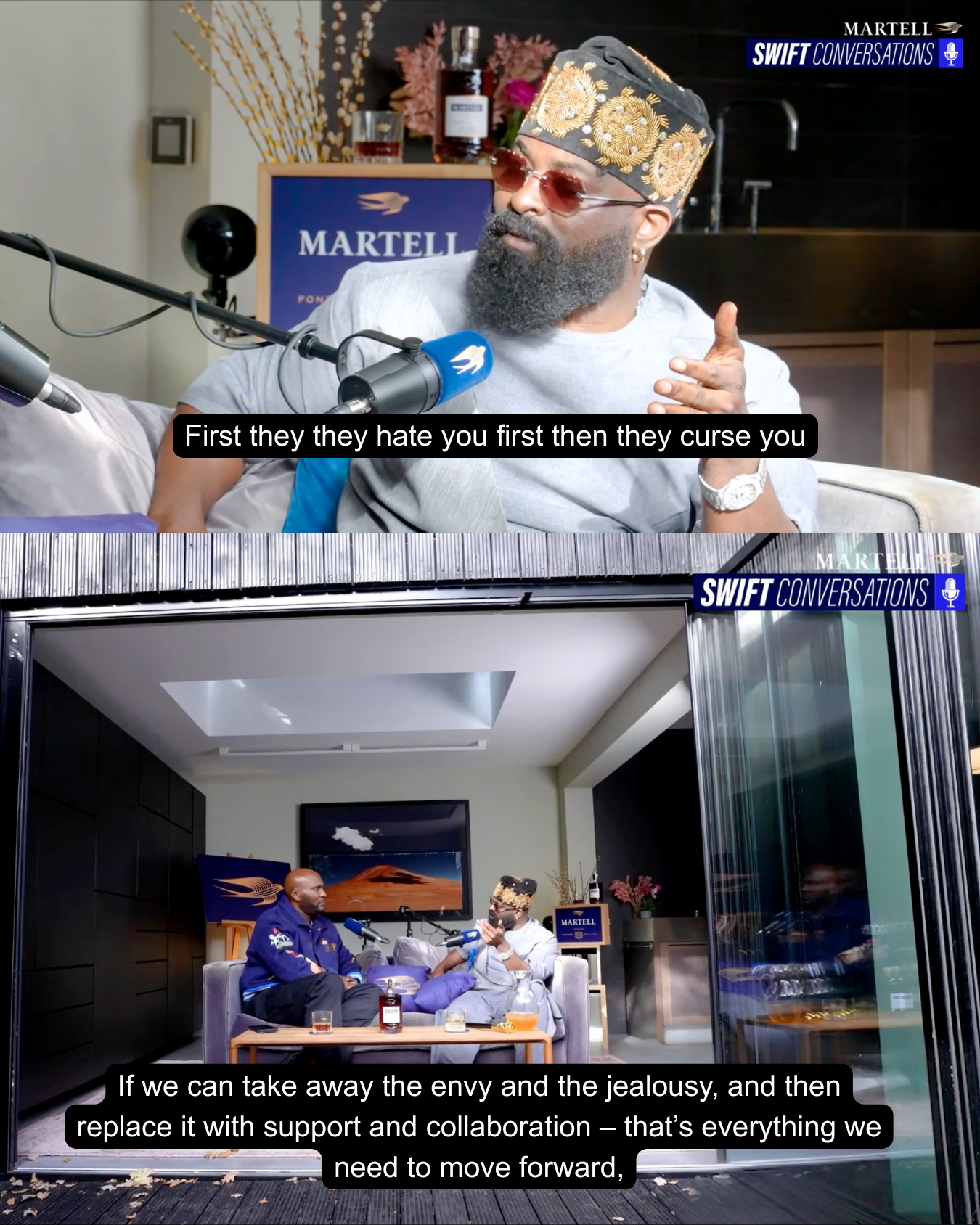
I said it in the interview, and I’ll say it again here: envy and jealousy have delayed us more than any outside system ever could.
A lot of that comes from a scarcity mentality we were taught. Taught through colonialism. Taught through systems that were designed to limit access, reward proximity, and convince us that there was only room for one of us at a time. When the world is structured to exclude you, competition can feel like survival.
But that thinking doesn’t serve us anymore.
We don’t need perfect infrastructure before we move. We need collaboration. Afrobeats didn’t grow because one person won. It grew because many people moved together.
If we replaced competition-for-position with support-for-purpose, we would fly. This culture is big enough for all of us. What’s for you will never miss you. And the faster we learn to celebrate each other properly, the faster we build something that outlives hype.
And yes, selflessness is powerful. It can also hurt.
One of the hardest lessons in this industry is learning how to give without letting disappointment destroy you. You can pour into people. Open doors. Share access. Invest time, love, and opportunity. And sometimes, when those people rise, they forget you. Or they switch. Or they move like you were never part of the story.
That reality has broken a lot of good people.
So my message is simple: help people, but don’t tie your life to what you expect back. Pick yourself up and keep creating. Keep showing love to what God put in you. Do not put your destiny in any man’s hands.
If someone disappoints you, you don’t stop. You adjust. You learn. You keep moving.
Because the culture needs builders who don’t collapse every time they don’t get credit.
Authenticity is a responsibility.
One of the questions I appreciated most was about dilution. As Afrobeats grows and travels, are we losing something along the way?
My honest view is this: we’ve only scratched our gold.
We’ve given the world a sound, yes. But we haven’t yet given them the full depth of the culture that carries it. And I say that as someone who has spent the last year moving across the continent and the diaspora on diplomatic and cultural missions. Last year alone, I visited sixteen African countries, sitting with governments, creatives, institutions, and communities, listening as much as I was speaking.
Those journeys changed me.
I outgrew the idea of Africa as a location. To me now, Africa is a shared identity. A way of seeing the world. A set of values, histories, languages, rhythms, and responsibilities that travel with us wherever we are.
But with global attention comes a harder truth.
Our culture has powered entire industries. It has created billionaires and millionaires who are not African. It has filled balance sheets, stages, and boardrooms far beyond the continent. For years, African culture has been extracted, repackaged, and monetised faster than it has been protected or owned by the people it comes from.
And this is where the conflict lives for me.
All I ever wanted was for us to get there. To be seen. To be undeniable. That’s why I couldn’t stop. That’s why platforms like Afro Nation mattered so much. They proved that our culture belongs on the biggest stages in the world.
But getting there was never the end goal.
Now that the door is open, the responsibility has shifted. The work is no longer just about access. It’s about infrastructure. About ownership. About making sure Africans are not just the inspiration, but the beneficiaries.
And this is why platforms like Martell matter.
Afrobeats is not just a sound. It’s a cultural force that connects people across borders, generations, and identities. By choosing to partner with individuals who live and breathe the movement, Martell isn’t simply associating with success, it’s recognising the builders. The ones creating space. The ones holding doors open. The ones ensuring emerging voices can rise while the culture continues to evolve into a truly global phenomenon.
That alignment matters to me, because it reflects the work.
This is why I believe we have to go deeper.
Not into surface-level “African vibes,” but into real identity. Into storytelling that honours context. Into tradition without turning it into costume. Into fashion that carries meaning, food that reflects diversity, language that isn’t softened for comfort, and history that isn’t edited for approval.
I want the world to feel the village in the mainstream not as nostalgia, but as evolution. Not something frozen in time, but something alive, modern, and intentional.
Because our culture is worth more than crude oil. And like any precious resource, it must be protected, invested in, and built with long-term vision.
Depth will always outlive hype.
The night the culture chose unity
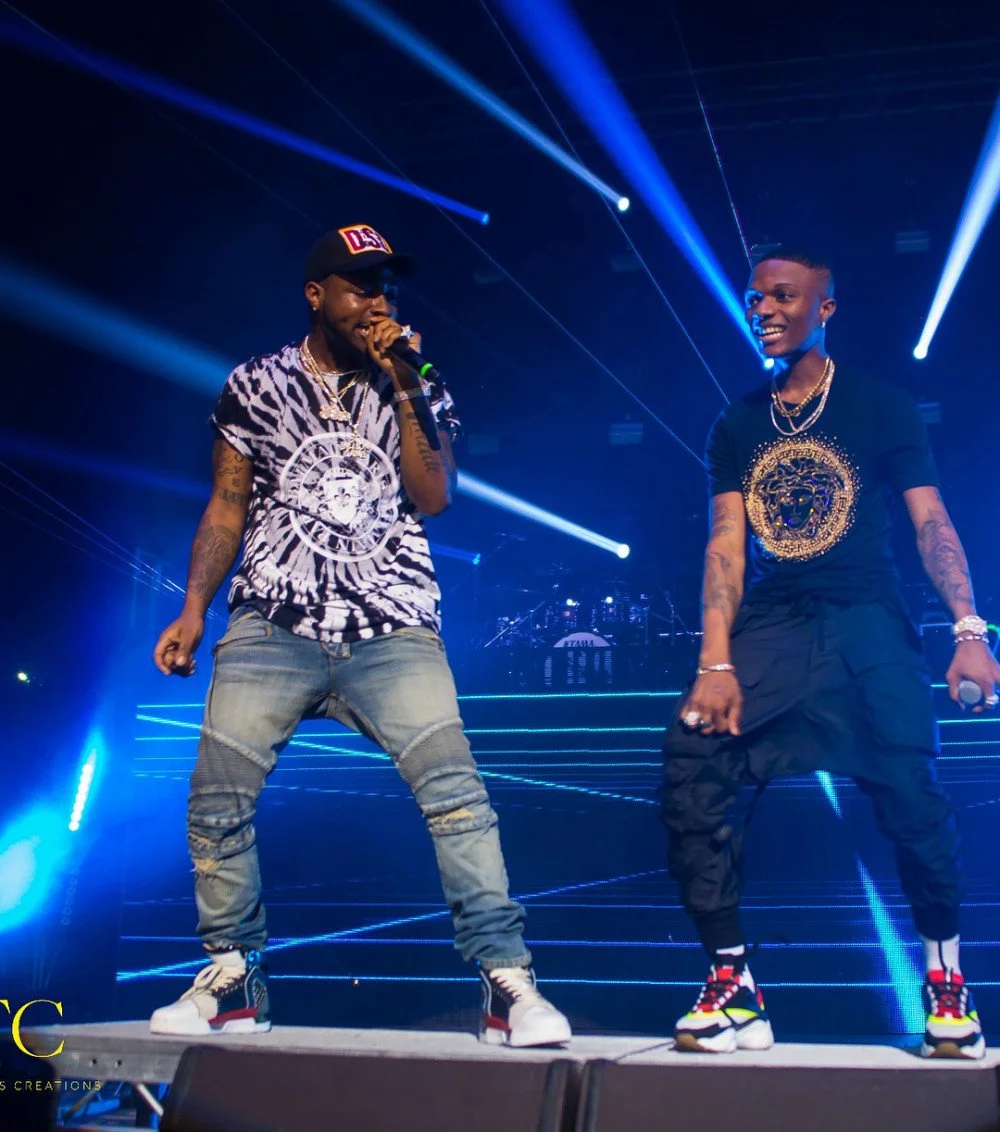
Near the end of the conversation, I spoke about a night that still gives me goosebumps.
That night at O2 Academy Brixton was sold out. The room was full, but the air was heavier than usual. There was tension behind the scenes, history in the background, and very little margin for error. One wrong move and the story could have ended very differently.
At the time, Wizkid and Davido were not aligned. Everyone knew it. Their camps knew it. The industry knew it. And yet something in me believed the culture was ready for more than division.
For Black people, and for Africans in particular, we are too often forced into the idea of “the only one.” The first Black. The only African. The single representative allowed in the room. No other ecosystem is built that way, and it has never served us.
Afrobeats was never meant to be carried by one person, one sound, or one storyline. Its power has always come from collaboration, shared audiences, and collective momentum. Unity is not a nice idea for Afrobeats. It’s the engine.
That’s why this moment mattered.
Davido and Wizkid represent far more than themselves. They carry different energies and stories, different audiences but those audiences overlap. They represent possibilities for Africans everywhere. When they share space, the culture expands. When they stand apart, the narrative shrinks.
Afrobeats was still proving itself globally then. Growing fast, but fragile. Every public fracture was being watched, judged, and amplified. I knew that if we exported division alongside success, that would become part of the story too.
What people call strategy was, for me, responsibility.
There was no script. No public plan. Just conversations, trust, prayer, and timing. I wasn’t trying to create a viral moment. I was trying to protect a future version of Afrobeats, one where collaboration felt natural, not negotiated. Where unity didn’t need explanation.
When Wizkid stepped onto that stage, the room didn’t just react. It released.
The crowd erupted because history was being made in real time. Not out of shock, but out of joy. Out of humility. Out of the culture finally seeing itself choose togetherness over ego.
That moment didn’t belong to me. It belonged to the culture.
It showed that Afrobeats didn’t need rivalry to dominate. That our biggest moments could come from alignment, not opposition. And that the fans were more evolved than the industry often gives them credit for.
As the venue shook, I remember thinking: this is why we do it. This is why we endure the pressure, the sleepless nights, the misunderstandings, the risks no one sees. Because sometimes you get to be part of a moment that quietly shifts the direction of a culture.
And those moments change everything.
What I hope people take from this
If there’s anything I hope people take from this conversation, especially the next generation, it’s the truth behind the journey.
Believe before it’s popular.
Reinvest before it makes sense.
Stay rooted while you expand.
Build with love, but don’t build on expectation.
Keep creating, even when it’s quiet and no one is watching.
And above all, don’t chase visibility. Chase legacy.
I’m grateful to Martell for the platform, and grateful to Adesope for the brotherhood, the history, and the conversation. That exchange came from a shared understanding of what it took to get here, and what it will take to go further.
But more than anything, I’m grateful to the culture.
To the DJs and photographers. The security and the promoters. The artists and the fans. The people who bought tickets when it wasn’t trendy. The ones who carried Afrobeats on their backs long before the world decided to celebrate it.
This is our moment, yes.
But moments pass. Responsibility doesn’t.
So we build. We protect. We collaborate. We tell our stories properly. And we make sure that what we’ve unlocked doesn’t just look good from the outside, but works for our people on the inside.
To the culture. Always.
Dr. King SMADE
Journal Entry
London, UK, December
